Tips for Staying Warm During a Heating Emergency
Practical homeowner decision tool covering immediate warmth tips, safe heating alternatives, pipe-freezing prevention, and when to call a pro. Includes cost estimates, tools, and a contractor checklist.
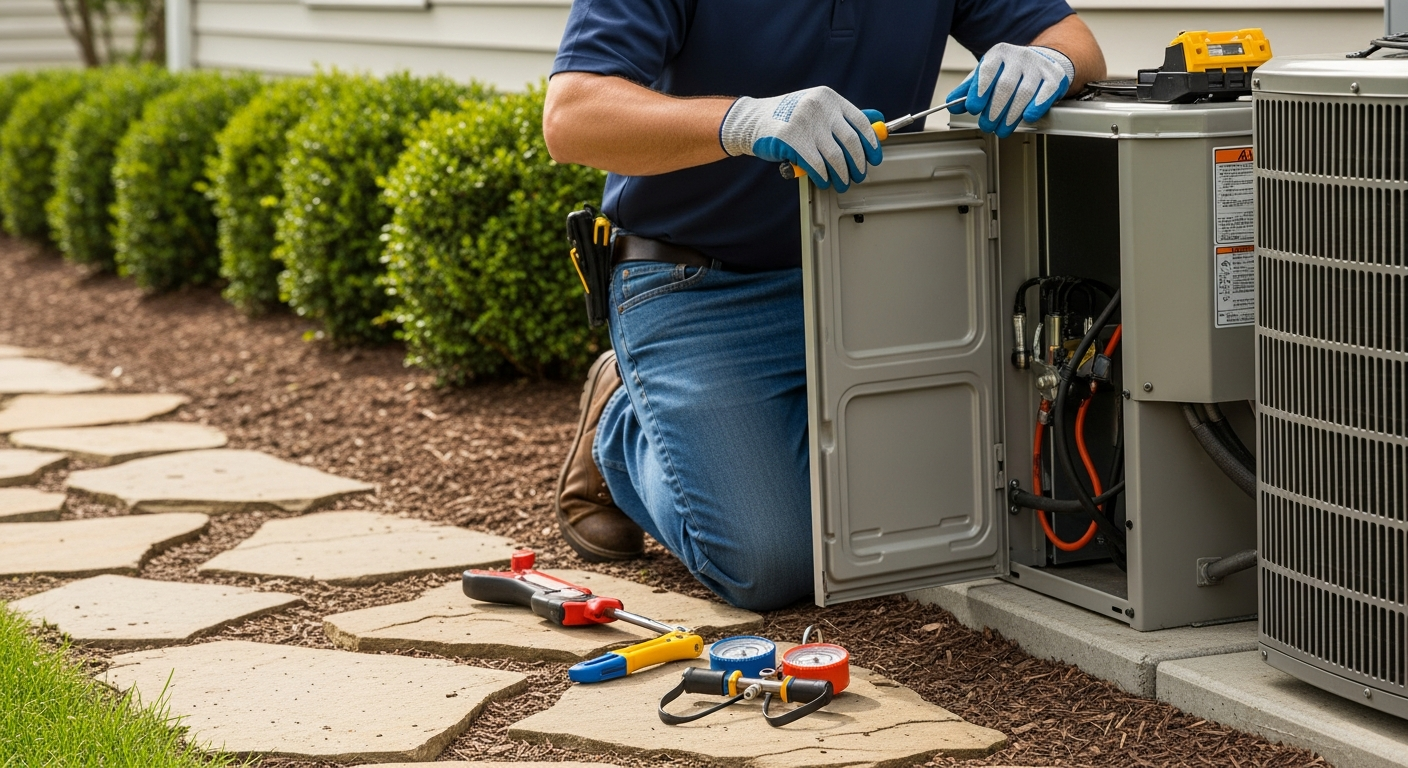
Act Fast, But Safely
When your heating system fails in cold weather, immediate actions like gathering into one room and blocking drafts can buy you hours. Use safe supplemental heat sources, protect pipes, and contact a vetted professional while avoiding dangerous DIY fixes like using the oven.
What Matters Most
- Move to a single room with few windows and close it off.
- Use only UL-listed space heaters on hard surfaces away from flammables.
- Drip faucets and open cabinets to prevent frozen pipes.
- Get multiple quotes using HVACDatabase's contractor comparison tool before committing to expensive emergency repairs.
- Never use ovens, grills, or unvented fuel burners indoors.
Strengths
- Low-cost preparatory steps prevent thousands in water damage from burst pipes.
- Concentrating body heat and using layers can maintain comfort above 50°F for hours.
- Using the contractor checklist and cost tools reduces overcharging during emergencies.
- Safety boundaries prevent common causes of fire or CO poisoning.
Weaknesses
- Temporary measures are not a substitute for professional repair and will not work for extended outages.
- Space heaters increase fire risk if not used correctly.
- DIY attempts to fix electrical or gas components can be deadly.
- Cost estimates vary
Decision summary
| Scenario | Usually do | Why |
|---|---|---|
| Minor, safe homeowner issue | Check basics first | Filters, settings, and blocked vents can be resolved safely. |
| Mechanical, refrigerant, gas, or electrical issue | Call a qualified technician | These areas carry safety, code, and warranty risk. |
What to Do First: Quick Answer
When your furnace or heat pump fails during freezing weather, you need to act immediately but safely. This guide gives you concrete steps to stay warm, prevent damage, and connect with a qualified technician without overpaying. We've included cost estimates, a decision tree, and a contractor checklist—all based on real-world data from HVACDatabase.
Quick Answer: Gather your household into one small room, preferably south-facing. Seal gaps under doors with towels. Layer clothing and use blankets. Use only electric space heaters on hard surfaces away from curtains. Never use the oven. Open cabinets under sinks and drip faucets. Call an HVAC pro if the system isn't responding to basic checks (thermostat, breaker, filter). Use our Emergency Cost Tool to estimate repair costs before you call.
Step-by-Step: Heat Retention and Safety
- Pick a warm room: Ideally with few windows, south-facing. Close curtains/blinds. Gather everyone there and close the door.
- Block drafts: Roll towels and place at base of exterior doors, window sills. Stuff towels in cracks. Use plastic film or blankets over windows if available.
- Layer up: Base layer (moisture-wicking), insulating layer (fleece/wool), outer blanket. Wool socks and hats are critical.
- Stay active: Light exercise like walking or arm circles can raise body heat, but avoid sweating.
Safe Alternative Heat Sources
- Electric space heaters: Only use UL-listed units with auto-shutoff. Place on hard, level surface at least 3 feet from curtains, bedding. Plug directly into wall outlet, not extension cords.
- Wood fireplace: Ensure flue is open, chimney clear. Keep screen closed. Do not leave unattended. Have a fire extinguisher nearby.
- Do NOT use: Ovens, stovetops, grills, camp stoves, or portable generators indoors. These produce carbon monoxide (CO). Ensure CO detectors are working.
Protecting Your Plumbing During a Heating Failure
If indoor temperatures approach 50°F, pipes may freeze. Open cabinet doors to allow warm air circulation. Let faucets drip slightly—moving water freezes harder. Shut off and drain outdoor spigots. For more, see How to Keep Pipes From Freezing When Your Heater Fails.
Emergency HVAC Service Costs: What to Expect
Editorial estimate ranges (not guarantees):
| Service | Standard Rate | After-Hours/Emergency | Notes |
|---|---|---|---|
| Diagnostic visit | $80–$200 | $150–$350 | Fee may be waived if repair follows. |
| Common heating repair (thermostat, ignitor, sensor) | $150–$700 | $200–$1,000 | Parts and labor included. |
| Major repair (blower motor, gas valve, heat exchanger) | $800–$2,500+ | $1,000–$3,500+ | May require replacement rather than repair. |
Use our HVAC Cost Estimator and Emergency Cost Tool to get personalized estimates and compare quotes.
Safety Boundaries: What You Can Check and What to Leave to Pros
Safe Homeowner Checks
- Thermostat: replace batteries, ensure set to heat mode, temperature above room temp.
- Circuit breaker: check if furnace breaker tripped; reset once.
- Air filter: if severely clogged, replace with same size to avoid airflow issues.
- Examine gas valve: ensure shut-off valve on gas line is parallel to pipe (on). Do not touch if you smell gas.
- Check for ice or snow blocking outdoor heat pump or intake/exhaust vents.
Pro-Only Work
- Any internal furnace repair involving gas, combustion, electrical components (capacitors, contactors, control boards), refrigerant, or compressor.
- Gas leak investigation or repair.
- High-voltage electrical troubleshooting.
- Relighting a pilot that has gone out multiple times (may indicate a dangerous issue).
If you encounter any of these, immediately call a professional. Use HVACDatabase Contractor Search to find vetted technicians near you.
Decision Tree: When to Call a Pro vs. When to Wait
Use these thresholds to decide next steps:
- Indoor temperature below 60°F and falling: Call for emergency service immediately. Risk of hypothermia and pipe freezing rises.
- Furnace makes loud banging, screeching, or burning smell: Turn off the system at the thermostat and breaker; call a pro.
- System cycles on and off rapidly: Check filter and thermostat settings; if persists, call for service.
- No heat but system runs (cool air): Could be pilot or ignition issue—pro diagnosis needed.
- Power outage: Do not call HVAC; wait for utility restoration. Use safe backup heat.
Contractor Checklist: Questions to Ask Before Approving Work
When you need emergency repair, ask these questions to avoid overpaying:
- Are you licensed and insured? (Get license number.)
- What is your diagnostic fee? Will it be credited toward repair?
- Can you provide a written estimate before starting work?
- What are the after-hours or emergency rates?
- How soon can you arrive? (Get a firm ETA.)
- Do you offer a warranty on parts and labor?
- Can you provide at least two references or recent reviews?
- What payment methods do you accept, and is financing available?
Use the HVACDatabase Contractor Comparison tool to evaluate multiple pros side-by-side.
Local Considerations: Cold, Coastal, and Older Homes
Cold climates (e.g., Minnesota, Chicago): Insulation and heating system demands are higher. Prioritize emergency planning and consider a backup heat source. Chicago heating repair pros can help with urgent needs.
Coastal areas (e.g., Virginia Beach): Humidity and salt air can corrode electrical components. Regular maintenance is critical. See Phoenix AC contractors for a contrasting climate example, but for heating, check local heating specialists.
Older homes: Drafty windows, poor insulation, and antiquated systems require aggressive heat retention steps. Consider whole-home upgrades; use the Repair or Replace Calculator to decide if a new system makes sense.
How We Develop Estimates and Recommendations
This guide's cost ranges are editorial estimates based on aggregated data from thousands of HVACDatabase contractor submissions, industry pricing databases, and consumer reports. They do not guarantee what you'll pay, as actual costs vary by region, system complexity, season, and contractor pricing. Recommendations are reviewed by HVAC professionals to align with safety codes and best practices.
Frequently Asked Questions
- Can I use my gas stove to heat my kitchen? No. Using a gas stove for heating creates a carbon monoxide hazard and fire risk. Only use space heaters designed for indoor use.
- How long can my house stay warm after the heat fails? It depends on outdoor temperature, insulation, and home size. In moderate cold (30°F), a well-insulated home may drop 1–2°F per hour. Below 20°F, it can drop 3–5°F per hour. Move to a small room and close doors to slow heat loss.
- At what indoor temperature should I really worry about pipes freezing? Pipes can begin to freeze when indoor temperatures fall below 50°F, especially those along exterior walls. Open cabinets and drip faucets as a precaution below 55°F.
- Is it safe to run a portable generator inside a garage? No. Generators produce carbon monoxide and must be operated outside, at least 20 feet from doors and windows, with exhaust directed away from the home.
- Should I try to fix my furnace myself if it's just a blown fuse? No. A blown fuse or tripped breaker that reoccurs indicates an electrical fault that needs professional diagnosis. Repeated resetting can create a fire hazard. Only a qualified technician should inspect the internal electrical components.
For more resources, explore our Emergency HVAC Guide and use our free tools to compare costs and contractors before you commit.
Methodology
HVACDatabase estimates combine common contractor price patterns, service-category pricing ranges, equipment complexity, urgency, regional labor variation, and known HVAC safety boundaries. Actual prices vary by city, brand, system size, access, warranty status, permit requirements, and whether the visit discovers ductwork, electrical, refrigerant, gas, or drainage issues. Use these numbers to sanity-check quotes, not as a guaranteed price.
Related articles
Connect this page to adjacent guides so readers keep moving deeper into the topic cluster.
Tips for Choosing a Smart Thermostat for a Heat Pump
Learn which smart thermostat features prevent expensive auxiliary heat mistakes, how to verify compatibility, and when to call a pro.

Understanding C Wire Adapters for Smart Thermostats
Missing the C wire for your smart thermostat? C wire adapters solve power issues without pulling new wiring. Compare types, costs, and installation options.

Best Smart Thermostats for Multi Zone Homes
Discover which smart thermostats deliver accurate zoning, remote sensors, and energy savings for homes with multiple HVAC zones. Our guide helps you pick the right model and avoid costly compatibility mistakes.