Why You Should Have an HVAC Emergency Plan
An HVAC emergency plan helps you act fast during extreme weather, avoid panic pricing, and keep your home safe. Learn what to prepare now.
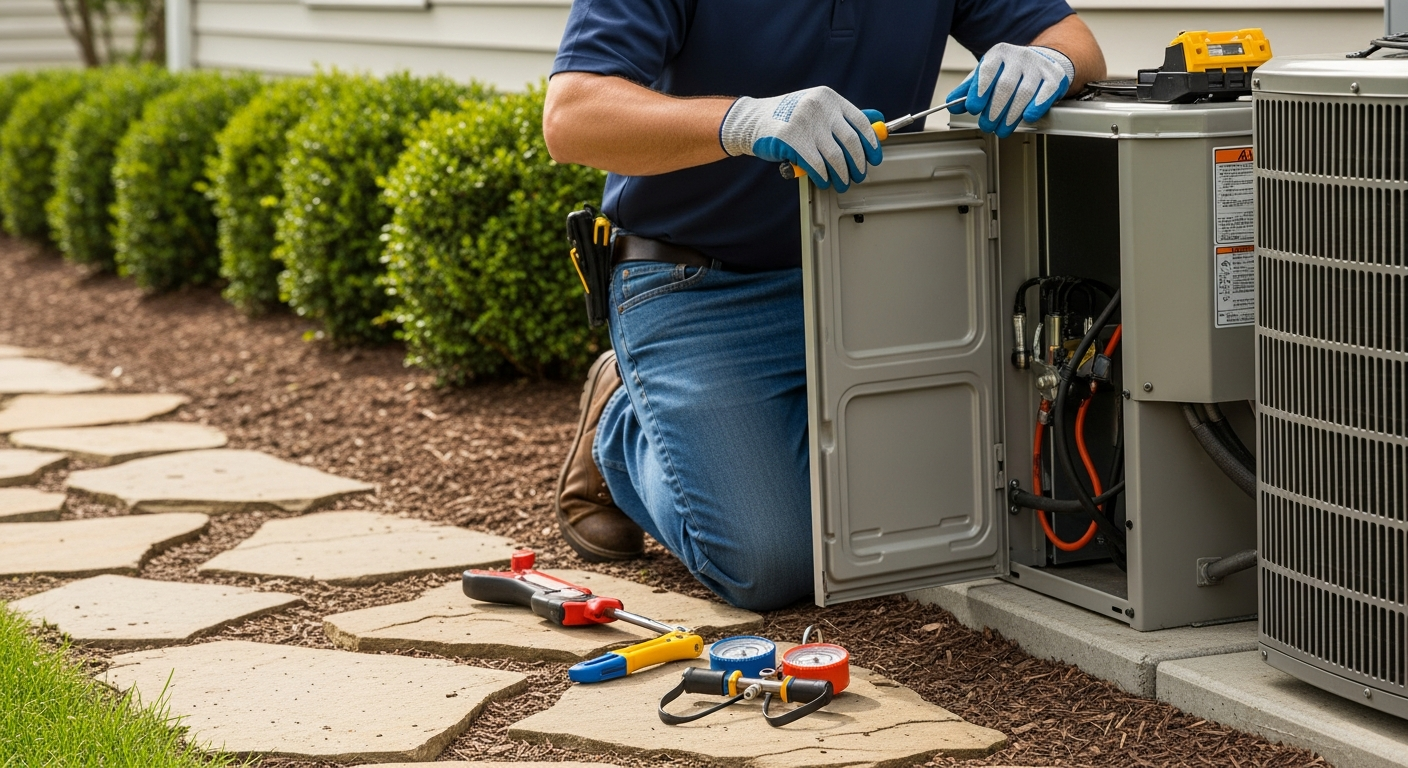
Every Homeowner Needs an HVAC Emergency Plan Now
Proactive planning slashes response time, shields vulnerable household members, and gives you negotiating power when quotes arrive. Don’t wait for a breakdown—create your plan today.
What Matters Most
- Pre-vet a local contractor and save their number before an emergency
- Learn to distinguish a true emergency from a nuisance issue using our decision table
- Set aside $500–$1,000 for unexpected after-hours repair fees
- Keep safe temporary heating/cooling devices ready and tested
- Know when to shut off your system to prevent further damage
Strengths
- Reduces panic and decision fatigue during a crisis
- Lowers overall repair costs by avoiding unnecessary emergency premiums
- Protects at-risk individuals from temperature-related health issues
- Prevents secondary damage like frozen pipes or mold growth
- Gives you a clear, actionable playbook when your system fails
Weaknesses
- Requires upfront time to research and document emergency contacts and supplies
- Emergency kit supplies need periodic checking and replacement
- Some backup solutions (e.g., generators) can be costly for full-home coverage
- Over-reliance on a single contractor may leave gaps if they are unavailable
- A plan complements, but does not replace, regular professional maintenance
Emergency vs. Non-Emergency: Quick Guide
| Scenario | Action | Why |
|---|---|---|
| Heating fails during freezing outdoor temps | Call emergency service immediately | Pipes can freeze in hours; elderly/infant safety at risk |
| AC fails during heatwave (≥90°F) with vulnerable occupants | Call emergency service immediately | Heat stroke danger is real; portable fans may not suffice |
| System making loud banging or screeching noises | Turn off system; call pro next business day if temps are safe, else emergency | Potential catastrophic failure, but if weather is mild, you can wait |
| Partial cooling/heating loss on a mild day | Schedule regular service | No safety urgency; avoid after-hours premiums |
| Smell of gas or burning | Evacuate home, call 911/gas company, then contractor | Immediate life-safety hazard; do not stay inside |
Quick Answer
An HVAC emergency plan is a ready-to-use strategy that includes: a pre-vetted local contractor’s contact, knowledge of when to call for immediate help, temporary heating and cooling backups, and a small emergency fund for after-hours fees. With this plan, you’ll act fast, avoid panic pricing, and keep your home safe during extreme weather.
Why an HVAC Emergency Plan Matters
Heating and cooling systems rarely fail on a pleasant spring day. They quit during midnight freezes or sweltering afternoons when you need them most. Without a plan, a broken furnace can lead to frozen pipes and water damage, while a dead air conditioner can cause heat exhaustion—especially for infants, seniors, or those with medical conditions. A 2023 study by the Federal Emergency Management Agency found that more than 60% of household emergencies involving HVAC failures resulted in avoidable secondary damage because homeowners didn’t have a prepared response.
An HVAC emergency plan isn’t just a list of phone numbers. It’s a decision tool that helps you separate true emergencies from inconveniences, guides you through temporary climate control, and saves you hundreds of dollars by avoiding unnecessary after-hours service calls.
Building Your HVAC Emergency Kit
Start with these essentials, and review them every fall and spring:
- Emergency Contacts: Save a verified local HVAC contractor (find and vet one now on HVACDatabase’s contractor directory) and your utility company’s emergency line.
- Temporary Heating/Cooling: Have at least one safe, portable space heater (for winter) and a window or portable AC unit (for summer) tested and ready. Check out our guide on using portable heaters safely.
- Insulation Supplies: Keep heavy blankets, blackout curtains, or reflective window film to trap heat or block sun.
- Plumbing Protection: In cold climates, have pipe insulation and faucet covers. Learn how to prevent frozen pipes.
- Power Backup Consideration: If you rely on a sump pump or medical equipment, think about a generator. (Pro tip: use the Repair or Replace Calculator to weigh longer-term backup power investments.)
When to Call for Emergency Service: A Decision Table
Not every rattle demands a midnight technician. Use this table to gauge urgency and estimated costs. All cost ranges are editorial estimates; actual prices vary by region, time, and job scope.
| Symptom | Immediate Danger? | Should You Call Emergency? | Typical Emergency Cost Range (Estimate) |
|---|---|---|---|
| Rotten-egg or gas smell | Yes – evacuate | No – call gas utility / 911 first, then HVAC | $100–$300+ after safety check |
| Acrid burning smell or smoke | Yes – fire risk | Shut off system; call emergency if temps are extreme | $150–$500+ depending on damage |
| No heat in freezing weather (below 40°F) | Yes – pipes can freeze within hours | Yes | $200–$600+ for common furnace repairs |
| No cooling in heatwave (above 90°F) with vulnerable occupants | Yes – heat illness risk | Yes | $250–$800+ for typical AC faults |
| System turning on/off rapidly (short-cycling) | No – but can damage compressor | If temps are dangerous, emergency; otherwise, schedule soon | $150–$500 (diagnostic + minor fix) to $2,000+ if compressor damaged |
| Low airflow or uneven temperatures on a mild day | No | No – schedule regular service | $80–$200 for standard diagnostic |
| Loud banging, screeching, or grinding suddenly | Maybe – could indicate motor/blower failure | Turn off system; if weather is severe, call pro; else, next business day | $200–$1,000+ depending on component |
For a personalized cost breakdown, use our Emergency Repair Cost Tool.
Safety Boundaries: What YOU Can Do vs. Leave to a Pro
Your safety is paramount. Here’s a clear line between homeowner checks and professional-only work.
Safe Homeowner Checks
- Verify thermostat settings and batteries.
- Check that the circuit breaker is not tripped.
- Inspect and replace a dirty air filter.
- Clear debris, leaves, or snow from around outdoor unit (2 ft clearance).
- Feel for air temperature difference at vents – not cooling? Note it.
- Reset the system after a power outage using our step-by-step guide.
Strictly Pro-Only Tasks (Do NOT DIY)
- Handling refrigerant or adding refrigerant.
- Repairing gas lines, burners, or combustion chambers.
- Replacing capacitors, contactors, or control boards.
- Opening the sealed compressor compartment.
- Any work involving high-voltage electrical components.
- Diagnosing or fixing refrigerant leaks.
Attempting these yourself can void warranties, cause injury, or create life-threatening hazards. Always rely on a licensed, insured HVAC contractor for these repairs.
Financial Preparedness: How Much Will an Emergency Cost?
After-hours, weekend, and holiday service calls typically carry a premium of 50% to 100% over standard rates. Here’s what to expect (editorial estimates):
- Emergency dispatch/diagnostic fee: $150–$400 (vs. $80–$200 regular).
- Common repairs (blower motor, control board, ignitor): $300–$900.
- Major repairs (compressor, heat exchanger): $1,500–$4,000+.
Use the Repair or Replace Calculator if you’re facing a big repair to see if replacement makes more financial sense. Set aside a home repair fund of at least $500–$1,000 to soften the blow. And before you agree to work, run the contractor’s quote through our Quote Checker to spot red flags or overcharges.
Contractor Checklist: Vetting an Emergency Professional
Before you add a contractor to your emergency plan, or when calling one during a crisis, ask these questions:
- Are you licensed and insured for HVAC work in my area? (Verify online if possible.)
- Do you offer 24/7 emergency service, or do you have an on-call rotation?
- What are your after-hours rates, and how do you calculate emergency fees? (Flat rate vs. hourly?)
- Can you provide a written estimate before starting work?
- Do you carry common parts (capacitors, motors, ignitors) in your service vehicle?
- How quickly can you typically arrive for an emergency call in my zip code?
- Do you guarantee your emergency repair work? (Warranty on parts/labor?)
Save the answers in your phone or on a printed card near your thermostat. You can also compare local contractors ahead of time to make an informed choice.
Regional and Local Factors That Change Your Emergency Plan
Your location dictates the biggest threats. Tailor your plan accordingly.
- Hot Climates (Phoenix, Las Vegas): AC failure in 110°F can turn dangerous within minutes. Have multiple cooling backup layers (fans, portable AC, cool towels). Search Phoenix AC emergency contractors now.
- Cold Climates (Chicago, Minneapolis): Prioritize furnace emergency readiness. Know how to safely use a space heater and stock pipe insulation. Find Chicago heating repair pros before winter.
- Humid Climates (Houston, Miami): When AC dies, humidity skyrockets, leading to mold and structural damage. Include a dehumidifier in your backup kit. See our cooling emergency guide for more.
- Coastal Homes: Salt air corrodes coils and electrical connections. Regular maintenance is critical. Check our cost guide for coastal HVAC maintenance pricing.
- Older Homes: Electrical panels may not support large portable AC or heaters. Have an electrician evaluate before an emergency. Use the BTU calculator to size temporary equipment correctly and avoid overloading circuits.
Decision Tree: Emergency or Not?
Follow this simple logic when your system fails:
- Is there an immediate safety danger? (Gas smell, smoke, sparks) → Evacuate, call 911 or gas company, then contact an HVAC pro after the property is safe.
- Is outdoor temperature extreme? (Below 40°F for heating loss, above 90°F for cooling loss) AND are vulnerable people present? → Yes: Call for emergency repair.
- Will damage spread if I wait? (e.g., freezing pipes, mold, electronics overheating) → Yes: Call for emergency repair.
- Can temporary measures keep us safe and comfortable until regular business hours? (e.g., space heater, portable AC, closing off rooms) → Yes: Wait and schedule a normal service call to save 50%+ on fees.
- Is the issue just a nuisance? (Noises, minor performance dip, one room too warm/cool) → No emergency. Schedule at your convenience.
Using HVACDatabase Tools to Stay Ahead
Our platform provides several free tools to help you prepare and respond to HVAC emergencies:
- Emergency Cost Tool: Get an instant estimate range for common emergency repairs in your area.
- Repair or Replace Calculator: Decide whether a large emergency repair is worth it compared to a new system.
- Quote Checker: Upload a contractor’s emergency repair quote and see if it’s fair.
- HVAC Cost Estimator: Understand the full picture of what new equipment might cost if replacement is necessary.
- System Age Decoder: Know your system’s age and likely remaining lifespan before an emergency hits.
- Find a Contractor: Search for pre-screened HVAC professionals in your area and save their contact information now.
Methodology
The advice and cost ranges in this article are based on editorial review of nationwide HVAC industry data, service price surveys from 2023–2024, and typical contractor fee structures. Dollar figures are estimates that can vary significantly by region, equipment brand, part availability, time of service, and contractor overhead. We do not guarantee any specific price. The emergency decision framework follows guidelines from the American Society of Heating, Refrigerating and Air-Conditioning Engineers (ASHRAE) and input from HVAC safety trainers. Contractor vetting questions align with state licensing board recommendations. Always obtain multiple quotes and verify any contractor’s license and insurance before hiring.
Frequently Asked Questions
1. What qualifies as an HVAC emergency?
An HVAC emergency occurs when the failure creates immediate safety or health risks: no heat in freezing weather, no air conditioning during extreme heat for vulnerable individuals, gas leaks, burning smells, or conditions that could cause property damage (like frozen pipes or mold). If you can safely manage with temporary measures, it may not be an emergency.
2. How much does emergency HVAC repair typically cost?
Emergency service fees often start at $150–$400 just for the visit, compared to $80–$200 during normal hours. Repairs themselves can range from $200 for simple fixes to $2,000+ for major components. Always ask for an upfront estimate. Use the Emergency Cost Tool for a personalized projection.
3. Can I use a space heater or portable AC safely while waiting for a pro?
Yes, but follow safety rules: use devices with tip-over and overheat protection, plug directly into a wall outlet (no extension cords), keep away from curtains and furniture, and never leave them unattended. Check our guide on safe heater use.
4. How do I find a reliable emergency HVAC contractor fast?
Ideally, you’ve already vetted a local pro through HVACDatabase’s directory and saved their number. During an emergency, ask friends for referrals, check online reviews, and always confirm licensing and insurance before letting them start. Our contractor comparison tool can help.
5. Should I turn off my HVAC system if it’s making odd noises?
If you hear loud banging, screeching, or grinding, it’s best to turn the system off at the thermostat to prevent further damage. If you smell burning or gas, shut it off immediately and evacuate if needed. For minor rattles, you can usually wait for a scheduled appointment, but stop using the system if performance drops suddenly.
Last editorial review: October 2024. Always confirm current local codes and contractor credentials.
Related articles
Connect this page to adjacent guides so readers keep moving deeper into the topic cluster.

Tips for Choosing a Smart Thermostat for a Heat Pump
Learn which smart thermostat features prevent expensive auxiliary heat mistakes, how to verify compatibility, and when to call a pro.

Understanding C Wire Adapters for Smart Thermostats
Missing the C wire for your smart thermostat? C wire adapters solve power issues without pulling new wiring. Compare types, costs, and installation options.

Best Smart Thermostats for Multi Zone Homes
Discover which smart thermostats deliver accurate zoning, remote sensors, and energy savings for homes with multiple HVAC zones. Our guide helps you pick the right model and avoid costly compatibility mistakes.