Pre-Season vs In-Season HVAC Repair Costs
Discover how timing your HVAC repairs can save you hundreds of dollars and prevent emergency breakdowns during extreme weather.
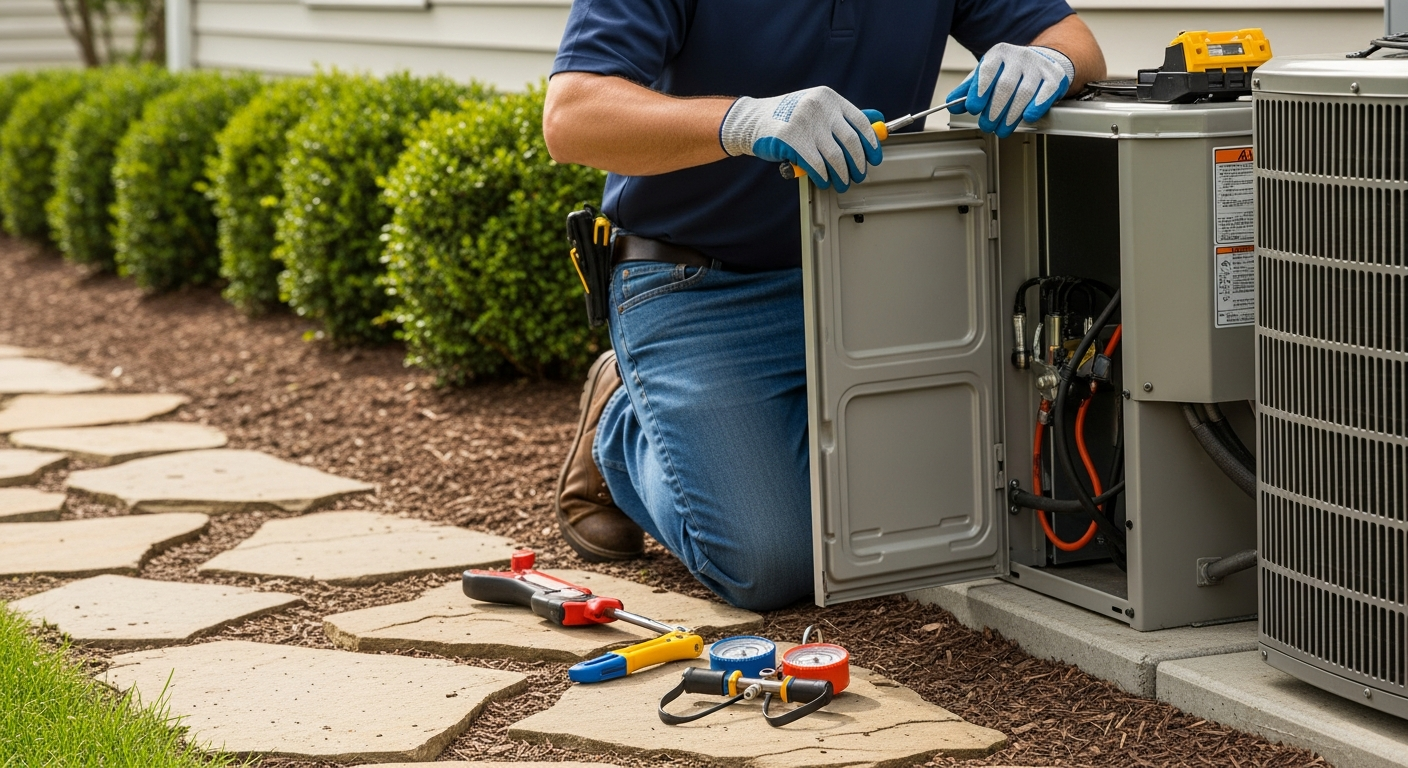
Timing Your HVAC Service for Maximum Savings
Homeowners often view HVAC maintenance as a chore to be deferred. However, the timing of your repair or service call can significantly impact your wallet and your comfort.
When you wait until the peak of summer or the dead of winter to call a technician, you enter a high-demand market. This often leads to higher prices, longer wait times, and emergency service fees.
By understanding the differences between pre-season and in-season costs, you can make smarter decisions for your home budget. You can easily find local professionals to help with these tasks at HVACDatabase.com.
The Cost of In-Season Emergency Repairs
In-season refers to the months when weather extremes force HVAC systems to run at maximum capacity. During these times, HVAC companies are flooded with calls from homeowners whose systems have completely failed.
Higher Labor Rates and Surcharges
Supply and demand dictate pricing in the HVAC industry. During a heatwave, a contractor may have dozens of customers waiting for service.
To manage this volume, many companies implement surge pricing or 'emergency' hourly rates. You may pay 50% to 100% more for labor during these peak windows compared to a scheduled appointment in the spring or fall.
The Risk of Part Unavailability
When everyone's AC breaks at the same time, common replacement parts like capacitors and fan motors often go out of stock. If a part isn't locally available, you might pay premium shipping fees to get your system back online quickly.
The Financial Benefits of Pre-Season Service
Pre-season refers to the "shoulder seasons"—typically spring and autumn. This is the optimal time to address potential issues before they become catastrophic failures.
Lower Rates and Flexible Scheduling
During slower months, HVAC companies are looking to keep their technicians busy. You are more likely to find discounted tune-up specials and standard labor rates without the pressure of an emergency.
Scheduling is also much easier. Instead of waiting three days for a technician to arrive, you can often book a same-day or next-day appointment at a time that fits your schedule perfectly.
Preventing Secondary Damage
Pre-season maintenance identifies small issues, like a worn belt or a slightly clogged drain line. If left ignored until the system is running 24/7, these small issues can cause the compressor to burn out, leading to a repair bill that costs thousands instead of hundreds.
Reviewing a spring HVAC maintenance checklist can help you stay ahead of these potential failures.
Long-Term Efficiency and Home Health
Beyond the immediate repair bill, pre-season care ensures your system runs efficiently. An unmaintained unit uses more electricity, increasing your monthly utility bills throughout the entire season.
Air Quality and Filtration
During your pre-season check, it is vital to evaluate your air filtration. Many homeowners debate between merv 11 vs merv 13 filters to balance air purity with system airflow.
Proper filtration protects the internal components from dust buildup, which is a leading cause of overheating in furnaces and frozen coils in air conditioners.
Managing Seasonal Transitions
If you live in an area with fluctuating temperatures, follow tips for using your hvac during shoulder seasons to prevent unnecessary stress on the unit. Frequent cycling between heating and cooling modes can wear out the reversing valve or control board prematurely.
Special Considerations for Unique Environments
Your geographic location also dictates your repair strategy. For instance, if you are a seasonal resident, you should follow a hvac prep checklist for snowbird homeowners to ensure your system remains operational while the property is vacant.
Environmental factors like air quality also play a role. Those living in areas with poor air quality should look into tips for hvac maintenance in wildfire prone areas, as smoke and ash can clog coils and filters much faster than standard dust.
The Verdict: Pre-Season Wins Every Time
While it requires a small upfront investment, pre-season repair and maintenance is the most cost-effective way to manage your home's climate control. You avoid the stress of a breakdown, pay lower labor rates, and extend the lifespan of your equipment.
When you are ready to schedule your pre-season checkup, use HVACDatabase.com to find a highly-rated, trusted contractor in your local area. A quick inspection today can save you from a major financial headache tomorrow.
Upgrading for the Future
If your system is nearing the end of its life, pre-season is also the best time to research upgrades. You might consider a geothermal vs air source heat pump comparison to see which technology offers better long-term ROI for your specific climate.
Furthermore, ensure your home is ready to retain that conditioned air by evaluating your attic. Comparing spray foam vs blown-in insulation for attics is a great way to maximize the efficiency of your new or repaired HVAC unit.
Related articles
Connect this page to adjacent guides so readers keep moving deeper into the topic cluster.
Spring AC Tune-Up vs Fall Furnace Tune-Up Costs
Discover the key differences in costs and procedures between spring AC tune-ups and fall furnace maintenance to ensure your home stays comfortable in every season.

EER vs SEER What Is the Difference
Confused by HVAC acronyms? Our guide breaks down the differences between EER and SEER ratings to help you choose the right unit for your climate.
Cost of Pre-Winter Furnace Inspection
Discover the average costs for a pre-winter furnace inspection and learn how a professional tune-up can save you money and prevent emergency repairs.