Spring AC Tune-Up vs Fall Furnace Tune-Up Costs
Discover the key differences in costs and procedures between spring AC tune-ups and fall furnace maintenance to ensure your home stays comfortable in every season.
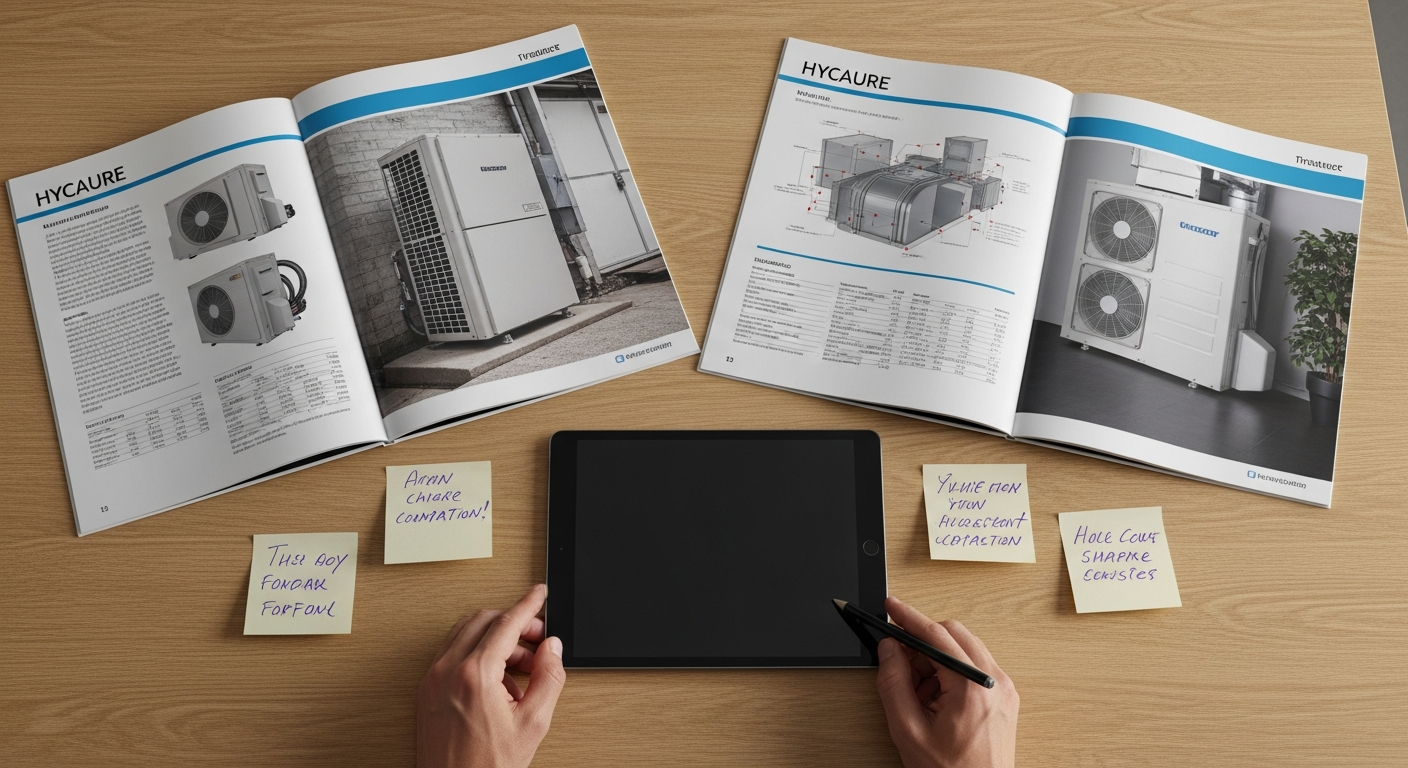
Maintaining Comfort: Spring vs. Fall HVAC Checkups
As a homeowner, keeping your HVAC system in peak condition is essential for both comfort and budget. While many people think of maintenance as a single task, the requirements for your air conditioner and your furnace are quite different.
Understanding the costs and procedures involved in a spring AC tune-up versus a fall furnace tune-up helps you plan your home maintenance budget effectively. Both services aim to prevent breakdowns, but they focus on different mechanical components and safety concerns.
The Spring AC Tune-Up: Keeping Cool Under Pressure
When the weather starts to warm up, your cooling system needs to be ready for heavy lifting. A spring AC tune-up primarily focuses on heat transfer efficiency and refrigerant levels.
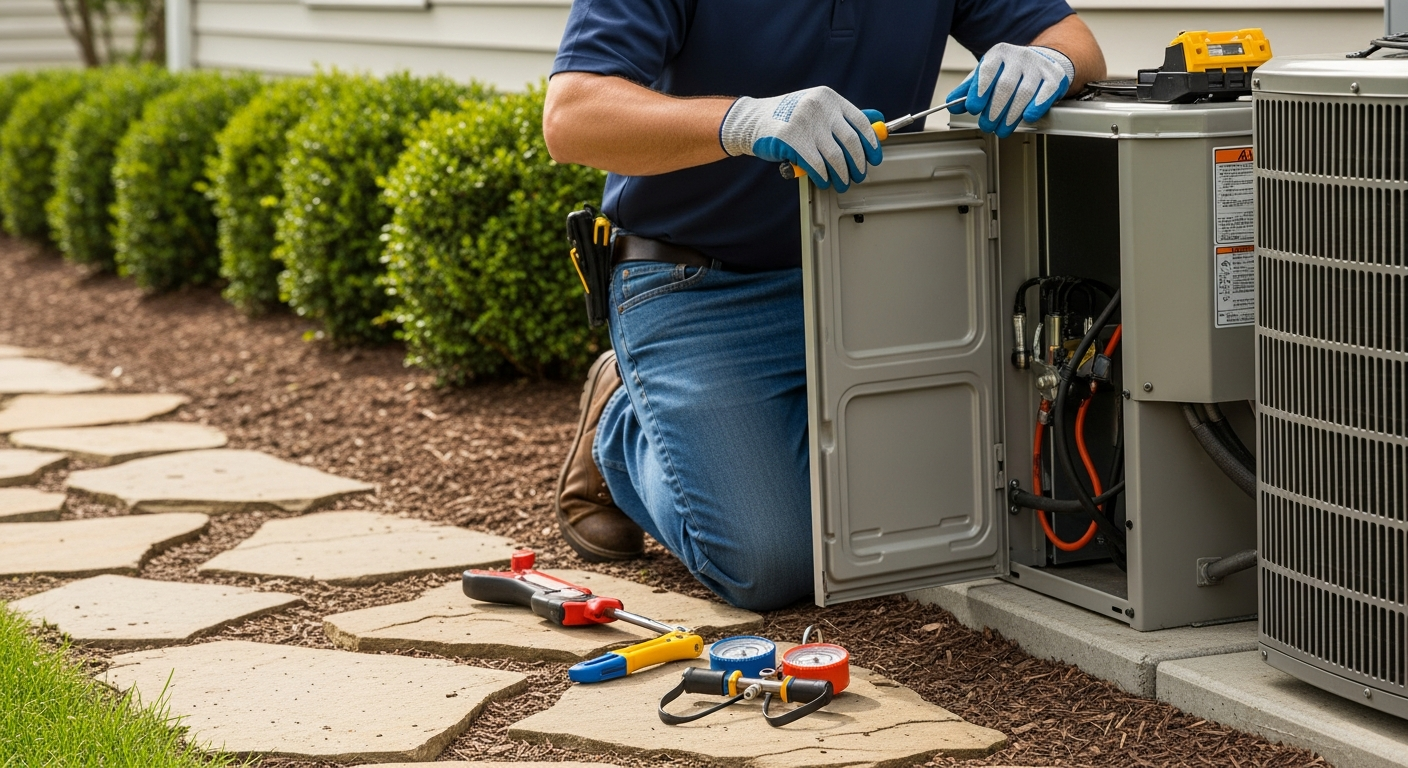
During a typical spring visit, a technician will clean the condenser coils, check the coolant levels, and inspect the condensate drain line. These steps are vital because a dirty coil can increase energy consumption by up to 30 percent.
Because cooling systems involve complex electrical components and chemical refrigerants, these appointments often take 60 to 90 minutes. To get the best value, homeowners often consult a seasonal HVAC tune-up cost guide to see how local rates compare.
The Fall Furnace Tune-Up: Prioritizing Safety and Heat
Fall maintenance is less about cooling and more about combustion and indoor air quality. When a technician inspects your furnace, their primary goal is ensuring the unit can safely burn fuel without leaking dangerous gases into your home.
Key tasks during a fall visit include inspecting the heat exchanger for cracks, cleaning the burner assembly, and testing the thermocouple or igniter. Because gas and oil furnaces pose a risk of carbon monoxide leaks, this service is considered a critical safety check.
If you are trying to decide between different heating technologies, such as a condensing vs non-condensing furnace, your maintenance requirements may vary slightly. High-efficiency units often require extra attention to their drainage systems.
Cost Breakdown: What Should You Expect to Pay?
In most regions, the price for a standalone tune-up for either an AC or a furnace ranges from $75 to $200. However, there are subtle differences in what drives these costs.
- Labor Intensity: AC tune-ups often require more outdoor labor, while furnace checks are performed indoors.
- Parts and Consumables: Furnace maintenance might include replacing a thermocouple, while AC maintenance might require a small refrigerant top-off.
- Timing: Booking during the shoulder seasons is usually cheaper than waiting for an emergency.
Homeowners can often find more affordable rates by comparing pre-season vs in-season hvac repair costs. Scheduling your fall furnace check in late summer or your spring AC check in late winter can lead to significant discounts.
Why Both Checkups Are Non-Negotiable
It can be tempting to skip one of these services to save money, but doing so often leads to higher long-term expenses. Regular maintenance keeps your manufacturer’s warranty valid and extends the total lifespan of your equipment.
A well-maintained system is also better prepared for extreme weather. For example, knowing how to prepare your hvac for a cold snap is much easier when you know your furnace has already been cleared by a professional.
Impact on Air Quality and Efficiency
Both types of maintenance impact the air you breathe. While technicians check mechanical parts, they also inspect your filtration system. This is a great time to discuss upgrades, such as the difference between carbon vs hepa air purifier filters, to improve your home's environment.
A clean system doesn't just run better; it runs quieter. If you've ever experienced a sudden outage, you know the stress of recovery. Learning how to check your hvac after a power outage is important, but a maintained system is much more likely to restart without issue.
Finding the Right Professional
The quality of your tune-up depends entirely on the technician performing the work. You want someone who follows a comprehensive checklist rather than someone who just performs a visual inspection.
Homeowners can find trusted HVAC contractors on HVACDatabase.com to ensure they are hiring licensed and vetted professionals. Whether you are dealing with routine maintenance or a specialized post-hurricane hvac inspection checklist, having a reliable expert on call is invaluable.
Summary Table: AC vs. Furnace Maintenance
- AC Focus: Refrigerant, Coils, Airflow, Drainage.
- Furnace Focus: Combustion, Heat Exchanger, Sensors, Gas Lines.
- Spring Goal: Efficiency and Humidity Control.
- Fall Goal: Safety and Reliable Heating.
By investing in both seasonal checks, you ensure your home remains a sanctuary. Visit HVACDatabase.com today to connect with local experts who can help you schedule your next preventative maintenance visit.
Related articles
Connect this page to adjacent guides so readers keep moving deeper into the topic cluster.
Pre-Season vs In-Season HVAC Repair Costs
Discover how timing your HVAC repairs can save you hundreds of dollars and prevent emergency breakdowns during extreme weather.

EER vs SEER What Is the Difference
Confused by HVAC acronyms? Our guide breaks down the differences between EER and SEER ratings to help you choose the right unit for your climate.

Cost of Pre-Winter Furnace Inspection
Discover the average costs for a pre-winter furnace inspection and learn how a professional tune-up can save you money and prevent emergency repairs.