The Growing Popularity of HVAC DIY Forums
HVAC DIY forums are more popular than ever, offering homeowners a wealth of troubleshooting advice, but knowing when to stop is key to safety.
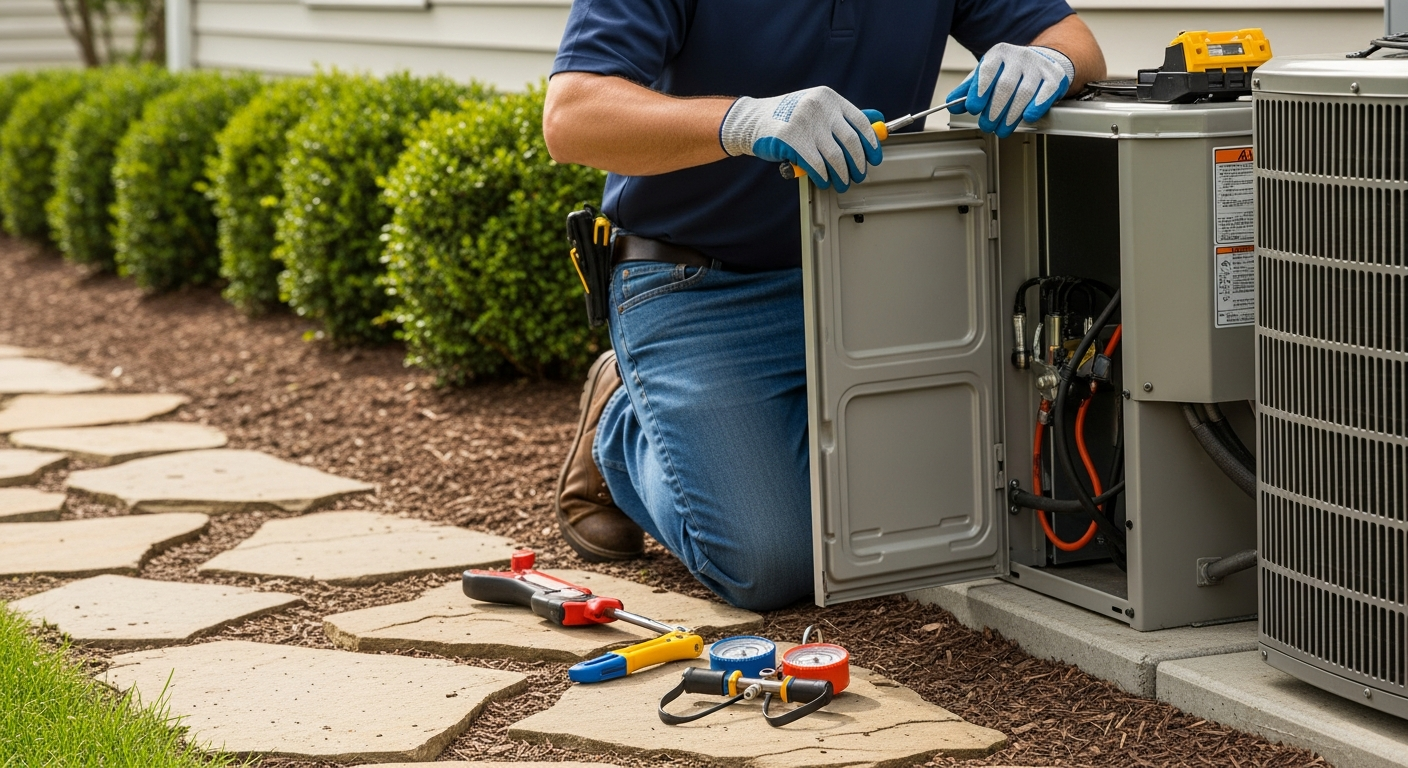
The Rise of the Digital Handyman
Homeowners are increasingly turning to the internet to take control of their home maintenance. Among the most active communities online are HVAC DIY forums, where users share advice on everything from thermostat wiring to furnace troubleshooting.
The surge in popularity is driven by a desire to save money and a curiosity about how home systems function. However, while these forums provide valuable insights, they also come with significant risks if not used carefully.
The Appeal of HVAC DIY Communities
Online forums offer a sense of community and immediate access to a collective brain of experienced DIYers and off-duty technicians. They empower homeowners to perform basic maintenance that keeps systems running efficiently.
Instant Troubleshooting Advice
When an air conditioner stops blowing cold air, the first instinct for many is to search for a solution online. Forums allow users to post photos of their equipment and receive specific feedback on potential issues.
For example, learning how to reset a tripped HVAC breaker is a simple task often solved through forum guidance. These quick fixes can save a homeowner from an unnecessary service call fee.
Educational Resources
Many forums serve as educational hubs. They help homeowners understand the jargon used by professionals, making them more informed consumers when they do eventually hire a contractor from HVACDatabase.com.
The Risks of Following Online Advice
While the information is often free, it isn't always accurate or safe. HVAC systems involve high-voltage electricity, flammable gases, and pressurized refrigerants.
Safety and Legal Hazards
One of the most dangerous DIY mistakes involves handling chemicals. You should understand why you should never open an HVAC refrigerant line without proper EPA certification. Doing so is not only illegal but can cause severe frostbite or permanent respiratory damage.
The Hidden Cost of Bad Advice
A suggestion that works for one specific model might cause a short circuit in another. These diy hvac mistakes that cost homeowners money often end up being far more expensive than the original professional repair would have been.
Investing in the Right Tools
For those committed to the DIY path, quality equipment is essential. Before diving into a complex repair, homeowners often research the cost of basic hvac diagnostic tools like multimeters and manometers to see if the investment is worth it.
Having the right tools is only half the battle; knowing how to interpret the data they provide is where many DIYers struggle. This is often where the forum advice reaches its limit.
When to Close the Browser and Call a Pro
The smartest DIYers know their limitations. There are specific scenarios where forum advice should be ignored in favor of a licensed technician.
- Gas Leaks: If you smell rotten eggs, leave the house immediately and call a professional.
- Electrical Burning Smells: Wiring issues can lead to house fires if handled improperly.
- Major Component Failure: Replacing a compressor or a heat exchanger is not a DIY task.
As homes evolve, especially with the impact of remote work on residential hvac design, the complexity of these systems increases. Modern units often require proprietary software for diagnostics that forum users simply cannot access.
The Role of Incentives and Upgrades
Sometimes, troubleshooting an old unit isn't the best financial move. Forums are currently buzzing with discussions about new tax credits for heat pump installations. Often, the forum community will advise a homeowner that their money is better spent on a modern, high-efficiency upgrade rather than patching up a 20-year-old system.
Conclusion: Use Forums as a Supplement, Not a Replacement
HVAC DIY forums are a fantastic tool for learning and performing minor maintenance. They can help you identify a dirty filter or a clogged condensate line in minutes. However, they are no substitute for the years of training a professional undergoes.
When the job involves complex electrical work or refrigerant, it is time to put down the wrench. You can find trusted, local HVAC contractors on HVACDatabase.com to ensure the job is done safely and according to local building codes. Balancing your DIY spirit with professional expertise is the best way to protect your home and your wallet.
Related articles
Connect this page to adjacent guides so readers keep moving deeper into the topic cluster.

New R-454B Refrigerant and What It Means for HVAC
Discover how the transition to R-454B refrigerant affects your next HVAC purchase, system efficiency, and environmental impact.
Cost of Basic HVAC Diagnostic Tools
Curious about the price of HVAC diagnostic gear? We break down the costs of essential tools for homeowners and explain when professional help is required.

How to Read HVAC Wiring Diagrams
Demystify your furnace or AC with our guide to HVAC wiring diagrams. Learn to identify symbols, colors, and components like a professional technician.