New R-454B Refrigerant and What It Means for HVAC
Discover how the transition to R-454B refrigerant affects your next HVAC purchase, system efficiency, and environmental impact.

Understanding the Shift to R-454B Refrigerant
The HVAC industry is undergoing a significant transformation. If you are planning to replace your air conditioner or heat pump soon, you will likely encounter a new term: R-454B.
This new refrigerant is part of a global effort to reduce the environmental impact of cooling systems. It is designed to replace R-410A, which has been the standard for residential systems for nearly two decades.
While this change is driven by environmental regulations, it has practical implications for your home comfort, equipment costs, and long-term maintenance. Homeowners can find trusted HVAC contractors on HVACDatabase.com to help navigate these technical transitions.
What is R-454B and Why Does It Matter?
R-454B is a blend of R-32 and R-1234yf. It belongs to a class of refrigerants known as A2L, which are characterized by their lower Global Warming Potential (GWP).
The primary reason for this change is environmental protection. R-454B has a GWP that is approximately 78% lower than its predecessor, R-410A.
By switching to this new fluid, the HVAC industry significantly reduces the carbon footprint associated with refrigerant leaks. This transition is a major part of broader heating industry trends to watch as manufacturers pivot toward sustainability.
How R-454B Differs from R-410A
R-454B is not a "drop-in" replacement for your existing unit. It operates at different pressures and has different thermal properties than older refrigerants.
One notable difference is that R-454B is classified as "mildly flammable." While this sounds intimidating, the safety standards for equipment using A2L refrigerants are incredibly rigorous.
Modern units are built with specialized sensors and mitigation systems. These safety features ensure that even in the rare event of a leak, the system remains safe for your household.
Impact on New HVAC Installations
If your current system is working fine, you do not need to do anything immediately. However, if you are shopping for a new unit, you will notice that manufacturers are rapidly updating their product lines.
Major brands are already shipping units compatible with these new standards. You can explore our American Standard HVAC equipment buying guide to see how leading manufacturers are adapting their technology.
- System Compatibility: You cannot put R-454B into a system designed for R-410A.
- Component Design: New systems feature redesigned compressors and coils optimized for A2L performance.
- Safety Sensors: New units often include leak detection sensors that can automatically shut down the system or activate ventilation if a leak is detected.
For those looking for high-end options, check out the Amana HVAC equipment buying guide for information on their latest high-efficiency models.
The Cost Factor for Homeowners
Whenever new technology enters the market, costs often fluctuate. Systems using R-454B may have a slightly higher upfront price due to the added safety sensors and engineering required for A2L refrigerants.
However, these systems are also designed for higher efficiency. Over time, the energy savings could offset the initial investment. Modern units also integrate better with smart homes, as seen in how smart grid technology interacts with home HVAC systems to optimize performance.
It is also important to consider the cost of future repairs. As R-410A is phased out, the price of that older refrigerant will likely skyrocket due to limited supply. Choosing a new R-454B system now protects you from those future price spikes.
Maintenance and Safety Considerations
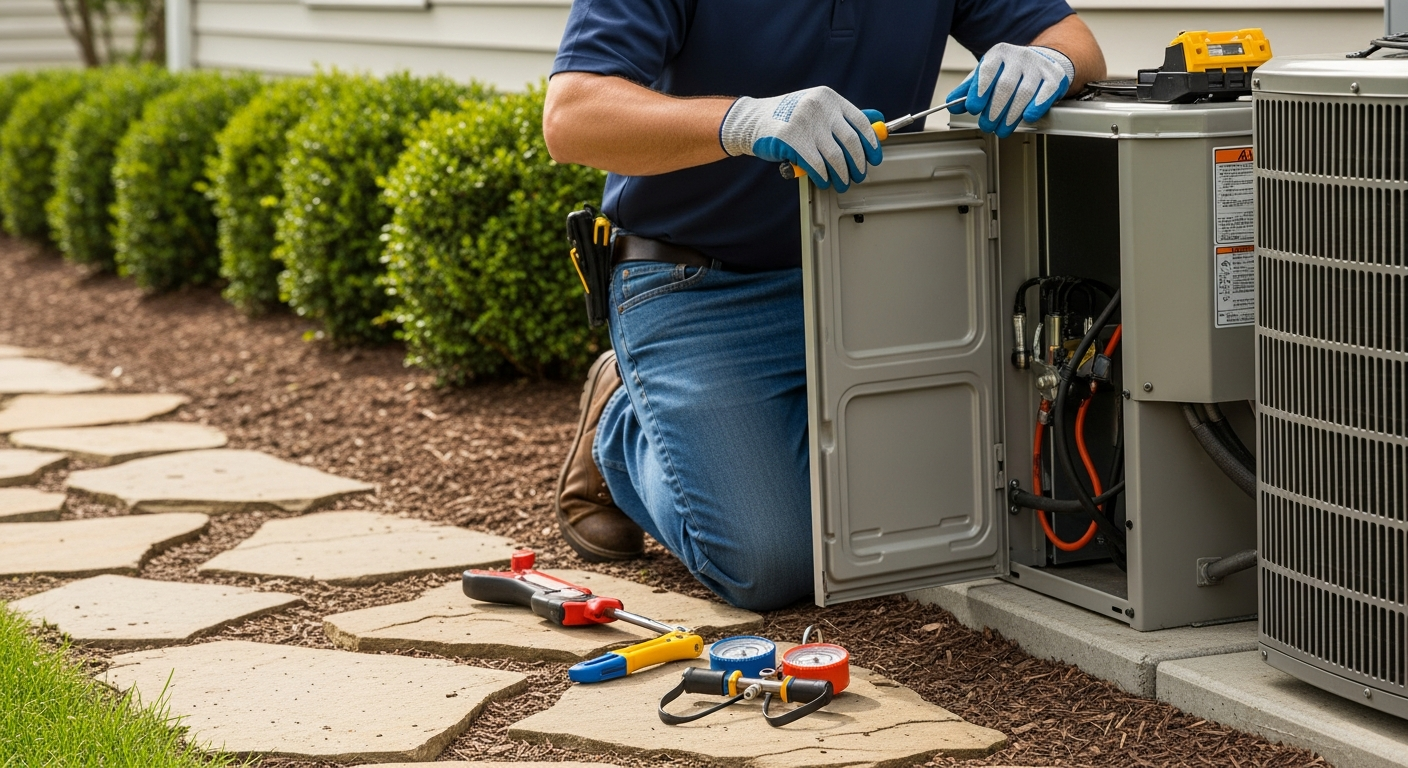
Maintenance for R-454B systems requires specialized tools and training. HVAC technicians must now use spark-proof vacuum pumps and recovery machines designed for A2L refrigerants.
Regular maintenance is more important than ever. Technologies like how predictive analytics are improving HVAC maintenance can help homeowners identify potential issues before they lead to a refrigerant leak.
If you are concerned about the reliability of a specific model, it is wise to learn how to look up HVAC equipment recalls to stay informed about any manufacturer updates.
What Homeowners Should Ask Their Contractor
When getting quotes for a new system, it is vital to ask the right questions. We recommend reaching out to professionals listed on HVACDatabase.com to ensure you get expert advice.
- Is this system compatible with R-454B or R-32?
- Does the installation quote include the necessary safety sensors?
- Is your team certified to handle A2L refrigerants?
- How does this new refrigerant affect the manufacturer's warranty?
For many, noise level is also a priority during a new installation. You may want to research the best HVAC brands for quiet operation before making your final decision.
Environmental and Efficiency Benefits
The move to R-454B isn't just about compliance; it's about performance. R-454B is known for its excellent heat transfer properties. This can lead to systems that are not only more environmentally friendly but also more compact and efficient.
By reducing the GWP of your home's cooling system, you are contributing to a significant reduction in greenhouse gas emissions. This shift ensures that the HVAC industry remains sustainable for decades to come.
Finding a Qualified Professional
Installing a system with the new R-454B refrigerant is not a DIY job. It requires a technician who understands the specific nuances of A2L handling and system charging.
Homeowners can find trusted HVAC contractors on HVACDatabase.com who are stay up-to-date with these industry changes. Working with a pro ensures your system is installed safely and operates at peak efficiency from day one.
The transition to R-454B represents a positive step forward for both homeowners and the planet. By staying informed, you can make the best choice for your home's comfort and value.
Related articles
Connect this page to adjacent guides so readers keep moving deeper into the topic cluster.
The Growing Popularity of HVAC DIY Forums
HVAC DIY forums are more popular than ever, offering homeowners a wealth of troubleshooting advice, but knowing when to stop is key to safety.
Cost of Basic HVAC Diagnostic Tools
Curious about the price of HVAC diagnostic gear? We break down the costs of essential tools for homeowners and explain when professional help is required.

How to Read HVAC Wiring Diagrams
Demystify your furnace or AC with our guide to HVAC wiring diagrams. Learn to identify symbols, colors, and components like a professional technician.