What HVAC Certifications to Look For
Hiring a certified HVAC technician ensures safety, efficiency, and expert service. Learn which credentials to look for before booking your next repair.
Why HVAC Certifications Matter for Homeowners
Hiring an HVAC contractor involves more than just comparing prices. Your heating and cooling system is one of the most complex and expensive components of your home.
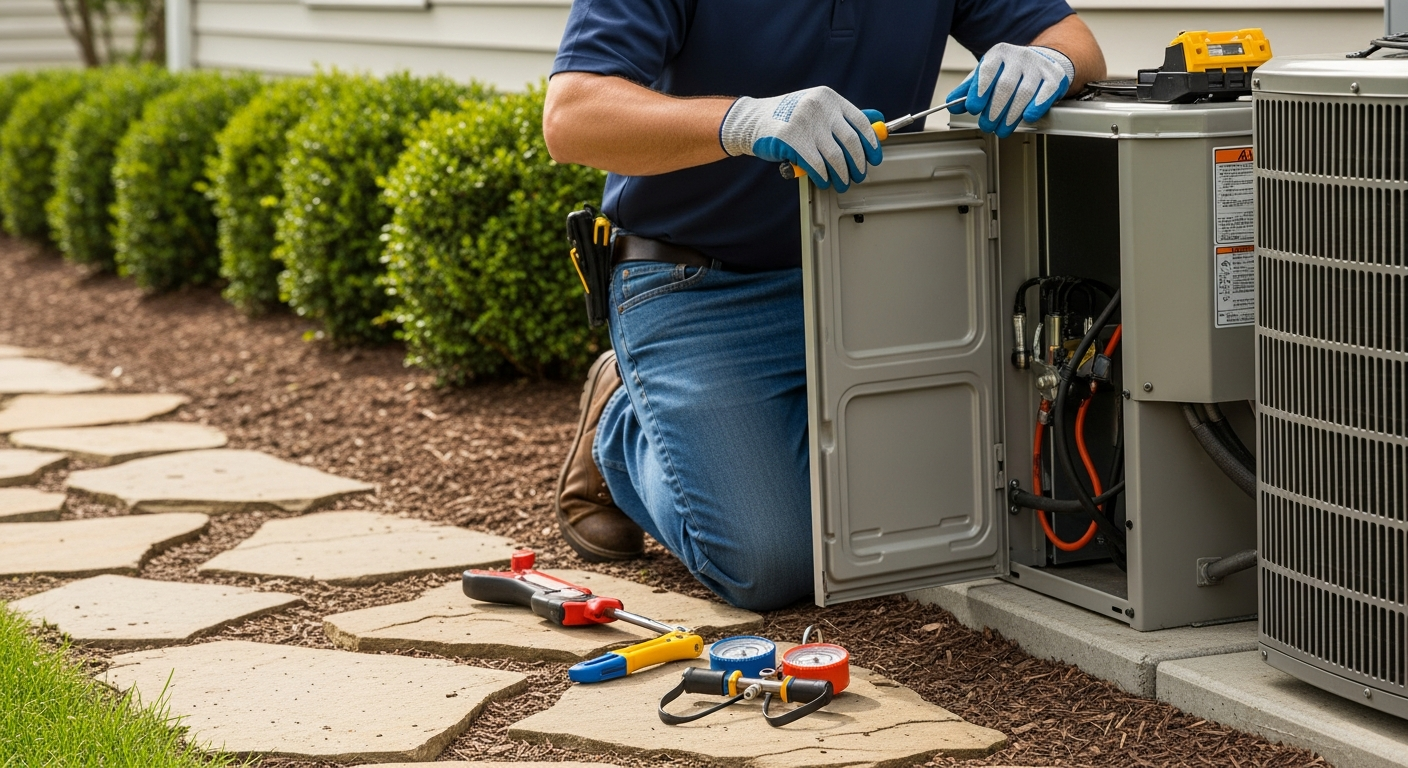
Certifications act as proof that a technician has undergone rigorous training and met industry standards. When you choose a certified pro, you are ensuring the job is done safely and efficiently.
You can easily find qualified professionals in your area by browsing the directory at HVACDatabase.com, where we connect homeowners with trusted experts.
The Gold Standard: NATE Certification
The North American Technician Excellence (NATE) certification is the most recognized credential in the industry. It is a non-profit organization that tests technicians on their real-world working knowledge.
Technicians with NATE certification have demonstrated expertise in specific areas like air conditioning, gas heating, or heat pumps. Look for the NATE logo when reviewing a contractor's website.
Why NATE Matters
- Reduced risk of installation errors
- Better system performance and efficiency
- Increased longevity of your HVAC equipment
EPA 608 Certification: A Legal Requirement
Every technician who handles refrigerants must be EPA 608 certified by law. This ensures that chemicals like Puron or Freon are handled according to strict environmental regulations.
If a technician is not certified by the EPA, they should not be opening your AC unit or adding coolant. Improper refrigerant handling can lead to environmental damage and system failure.
Before you sign a contract, you might want to learn about most reliable air conditioner brands to see which units these experts recommend installing.
Manufacturer-Specific Certifications
Many major brands offer their own training programs for contractors. These are often referred to as "Factory Authorized Dealers.‑
When a contractor is factory-authorized, they have specialized knowledge of that specific brand’s parts, software, and installation quirks. This is particularly important for high-end systems.
To understand the complexity of these modern systems, read our guide on understanding single stage vs two stage vs variable speed AC units.
ACCA Membership and Standards
The Air Conditioning Contractors of America (ACCA) is a leading trade association. While not a certification for individual techs, membership indicates a company's commitment to industry best practices.
ACCA members follow standard procedures for load calculations (Manual J). This ensures your new unit is the perfect size for your home’s specific square footage and insulation levels.
If you are buying or selling a property, knowing these standards helps when you how to negotiate HVAC repairs in a home sale to ensure the system is up to code.
State and Local Licensing
Certifications are voluntary, but licensing is mandatory. Most states require HVAC contractors to hold a valid state license to operate legally.
A license proves the contractor carries the necessary insurance and worker’s compensation. Never hire an unlicensed contractor, as you could be held liable for any accidents that occur on your property.
Checking for a license is as important as checking why HVAC contractor reviews matter when vetting a potential hire.
Specialized Certifications for Unique Homes
If your home has unique features, you may need a technician with specialized credentials. For example, homes with wood-burning heaters require specific airflow knowledge.
Check out our HVAC tips for homes with fireplaces to see how a certified pro can help manage indoor air quality and ventilation balance.
How to Verify HVAC Credentials
Don't just take a contractor's word for it. A reputable professional will be happy to provide proof of their certifications and insurance coverage.
The Verification Checklist
- Ask for their state license number and check it against the local registry.
- Verify NATE certification through the official NATE website.
- Ask about their service agreement options. You can learn more in our article on home warranty vs HVAC service contract benefits.
- Confirm they have general liability insurance.
Choosing Between Contractors
Sometimes you have to choose between a large company and a solo operator. Both can be excellent, provided they hold the right credentials.
For more insight on this choice, read about the HVAC dealer vs independent contractor dynamic to see which fits your needs and budget.
Finding the right pro doesn't have to be stressful. By using HVACDatabase.com, you can search for local experts who have the experience and certifications necessary to keep your home comfortable year-round.
Related articles
Connect this page to adjacent guides so readers keep moving deeper into the topic cluster.

Post Hurricane HVAC Inspection Checklist
Ensure your home remains safe and comfortable after a storm with our essential post-hurricane HVAC inspection guide for homeowners.
Tips for Choosing an HVAC Contractor for Ductless Systems
Discover how to select a specialized professional for your ductless mini-split installation with our comprehensive guide to hiring the right HVAC contractor.

How to Create a Year-Round HVAC Maintenance Calendar
Stay ahead of costly repairs by following our comprehensive year-round HVAC maintenance guide designed to keep your home comfortable in every season.