Best HVAC Brands for Quiet Operation
Find the quietest HVAC systems from Lennox, Carrier, Trane, and mini-splits. Learn how to pick silent equipment, use sound ratings, and avoid costly noise mistakes.
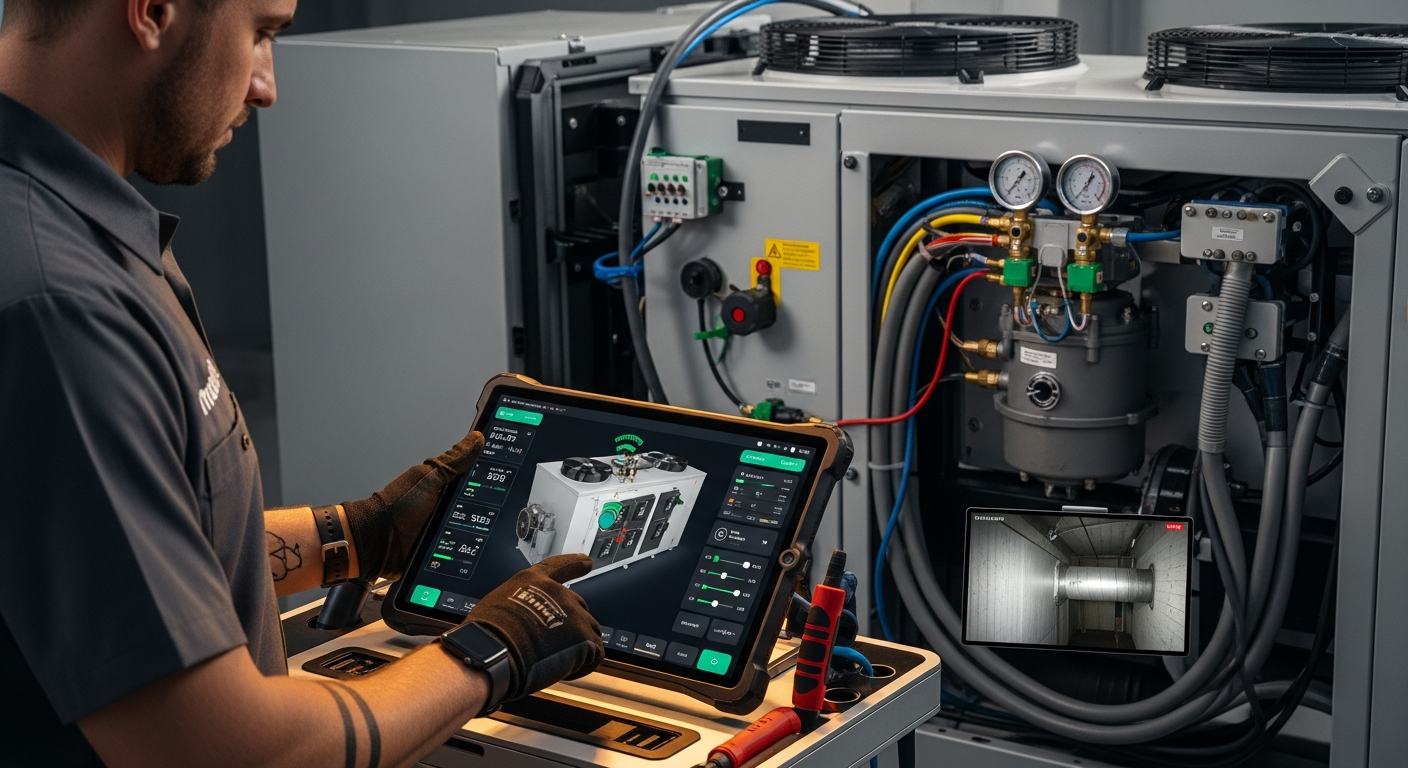
Silent HVAC Systems: Worth the Premium
For most homeowners, investing in variable‑speed, quiet‑rated equipment from trusted brands pays off in comfort and resale value. Prioritize low dB ratings and professional installation to avoid noise issues.
What Matters Most
- Quietest central AC brands operate at 55–65 dB, similar to light rain.
- Variable‑speed compressors are the key to silent operation.
- Installation quality affects noise as much as the equipment itself.
- Ductless mini‑splits offer near‑silent indoor units (19–30 dB).
- Use our cost estimator and quote checker to budget accurately.
Strengths
- Eliminates disruptive noise during sleep and outdoor gatherings
- Higher efficiency often accompanies quiet operation, cutting utility bills
- Longer equipment life from reduced stress on components
Weaknesses
- Premium quiet models can cost 20–40% more upfront
- Complex variable‑speed systems require skilled technicians for repair
- Older homes may need ductwork modifications to prevent rattling
Decision Summary
| Scenario | Usually do | Why |
|---|---|---|
| You want silent operation and can invest up front | Choose a variable‑speed system from Lennox, Carrier, or Trane | These achieve 55–65 dB with advanced noise reduction and ramp‑up technology. |
| You only need to cool one room quietly | Install a ductless mini‑split | Indoor units operate at 19–30 dB, barely audible. |
| Budget is tight but you need quieter than 75 dB | Look for mid‑tier single‑stage with sound blanket and proper pad | Costs less but still reduces noise below older units. |
| Your current unit is loud but works | Check for loose parts, add compressor blanket, and schedule maintenance | Can buy time before replacement. |
A noisy air conditioner disrupts sleep, conversations, and outdoor enjoyment. If your unit roars above 75 decibels—louder than a vacuum cleaner—it’s time to explore quieter options. We ranked the quietest HVAC brands based on sound ratings, technology, and real-world performance. You’ll get a side-by-side comparison, cost ranges, and a decision tree to pick the right system for your home. Plus, learn professional installation tricks that prevent rattles and hums. Ready for peace and cool comfort? Start here.
Quick Answer: The Quietest HVAC Brands Right Now
Lennox, Carrier, and Trane lead in silent central air conditioning. Their premium variable-speed units operate between 55 and 65 decibels—quieter than a normal conversation. Ductless mini-splits are even quieter indoors, often 19–30 dB. The secret is variable-speed compressor technology paired with sound-dampening design.
Brand & Noise Comparison Table
| Brand | Top Quiet Series | Sound Level (dB) | Key Noise-Reduction Tech | Typical Premium* |
|---|---|---|---|---|
| Lennox | Dave Lennox Signature (XC25/EL296V) | 59–65 | Composite fan blades, insulated compressor compartment | 20–30% |
| Carrier | Infinity 24VNA0/25VNA0 | 56–63 | Silencer System II (leaf‑blade fan, top discharge) | 25–35% |
| Trane | TruComfort XV20i/S9V2 | 57–66 | Variable‑speed, sound‑dampening wraps, swept‑wing fan | 20–30% |
| Mitsubishi/Daikin | Ductless mini-split (wall/floor) | 19–36 dB indoor | Compressor outside, near‑silent indoor air handler | Moderate |
| Budget Mid‑Tier | Goodman GSX16 / Rheem Classic | 68–72 | Sound blanket optional, conventional single‑stage | 0–10% |
*Premium over basic single‑stage unit (editorial estimate for 3‑ton system). Use our HVAC Cost Estimator for personalized ranges.
Understanding Decibel Ratings vs. Everyday Noise
- 50–60 dB: Light rain, quiet library — ideal for bedrooms
- 61–70 dB: Normal conversation, dishwasher — acceptable for most
- 71–80 dB: Vacuum cleaner, alarm clock — noticeable and intrusive
- 81+ dB: Garbage disposal, motorcycle — unacceptable for home comfort
Top Brands in Detail
Lennox SilentComfort Series
Lennox’s Dave Lennox Signature Collection (XC25 air conditioner, EL296V furnace) uses composite fan blades and a fully insulated compressor compartment to hit as low as 59 dB. Variable‑speed ramp‑up eliminates the jarring on/off clunk. Ideal for patio‑adjacent installations.
Carrier Infinity Series with Silencer System II
Carrier’s 24VNA0 (AC) and 25VNA0 (heat pump) feature a leaf‑shaped fan and top discharge that smooths airflow. At maximum capacity, they stay under 65 dB. The modular indoor unit also runs quietly, especially with a variable‑speed furnace or air handler.
Trane TruComfort Variable Speed
Trane’s XV20i and S9V2 combine a swept‑wing fan, sound‑dampening wraps, and a fully variable compressor. Trane runs at low speeds up to 80% of the time, avoiding noisy high‑stage cycles. They also excel in cold‑climate heat pump operation.
Compare detailed specs in our guide on how to read HVAC equipment specs.
Ductless Mini‑Splits: The Ultimate Silent Indoor Solution
When only a single room needs cooling, ductless mini‑splits are the quietest option. The compressor lives outside, so the indoor air handler operates at just 19–36 dB — softer than a whisper. Wall‑mounted, floor‑mounted, and ceiling‑cassette styles all offer near‑silent air delivery. Brands like Mitsubishi, Daikin, and Fujitsu lead this category. Maintenance is simple: clean filters monthly and keep outdoor unit clear. If a mini‑split blinks an error code, it’s often a dirty filter or communication glitch—see troubleshooting basics before calling a pro.
Installation: Why It Matters More Than the Brand
Even the quietest unit becomes a rattling headache if installed poorly. Vibration transfers through loose brackets, undersized ductwork, and unlevel condenser pads. Professional installation must include:
- Isolation pads and vibration‑absorbing clamps on refrigerant lines
- Properly sealed and supported duct transitions
- Level condenser on a composite or concrete pad
Use our contractor search to find local experts who specialize in low‑noise installations. Ask for references where the unit is placed near a bedroom or patio.
Safety Boundaries: What Homeowners Can (and Can’t) Do About Noise
Safe homeowner checks
- Tighten visible screws on access panels (power off at breaker)
- Clear leaves, dirt, and debris from around the outdoor unit
- Check that the condenser pad is level—use a carpenter’s level
- Inspect ductwork in the basement/attic for loose hanging straps
- Listen for rattles from the indoor blower cover while the fan runs
Professional only—do not attempt
- Refrigerant handling or adding refrigerant to quiet the unit
- Opening the compressor compartment or adjusting internal components
- Electrical repairs, capacitor or contractor replacement, control board work
- Ductwork redesign or major modifications
- Gas valve or combustion adjustments (furnaces)
Noise Reduction on a Budget: Quick Fixes for Existing Units
If replacement isn’t in the cards, targeted upgrades can shave off several decibels:
- Compressor sound blanket: $60–$130; professional installation often under $200
- Rubber isolation pads under condenser: $15–$40 per corner
- Plant a sound fence: Evergreen shrubs (leave 2‑foot clearance for airflow)
- Annual tune‑up: Lubricate motor bearings, tighten mounts, clean coils (typical maintenance visit $80–$250)
A routine maintenance session often resolves the most irritating high‑pitched squeals or hums. Learn about system compatibility before adding sound blankets to your specific model.
Decision Tree: Replace vs. Repair a Noisy System
- New noise appeared suddenly: Schedule diagnostic visit ($80–$200). Could be a loose part or failing motor—repair if under 8 years old.
- Same loudness as day one but over 75 dB: Unit was never quiet. Consider replacement if outdoor sound irritates you or neighbors.
- System older than 12 years: Variable‑speed silent replacement likely offers payback through energy savings and comfort. Use our Repair or Replace Calculator to weigh costs.
- Loud only during startup: Typical of single‑stage units. A compressor start‑assist kit ($150–$400 installed) may soften the jolt, but upgrading to a variable‑speed model eliminates the issue.
- Indoor noise (vents, humming): Often duct‑related. Have a pro inspect duct sizing and seal. A BTU load calculation can reveal if your system is oversized (short cycling = more noise).
Local Climate Considerations
- Hot & Humid (Southern U.S.): Long run times make variable‑speed ideal—it runs near‑silently at low stage for dehumidification. Choose a unit with a corrosion‑resistant coil if near the coast.
- Cold Climates (Northern U.S.): Heat pump defrost cycles can be noisy; Trane and Carrier inverter heat pumps manage defrost quieter. Pair with a variable‑speed gas furnace for silent heating.
- Coastal (Salt Air): Specify factory‑applied Coastal Shield coating; salt corrosion quickly roughens fan blades and increases noise. See corrosion prevention tips.
- Older Homes with Radiators/No Ducts: Ductless mini‑split is often the quietest retrofit. Avoid high‑wall units placed directly above a bed if sensitive to faint airflow sound.
Contractor Checklist: Questions to Ensure a Quiet Install
- “Can you provide a decibel rating at 10 feet for the proposed unit?”
- “What vibration isolation measures do you take—rubber pads, spring isolators, flexible connectors?”
- “Will you perform a start‑up noise test after installation?”
- “Is the unit sized based on a Manual J load calculation? (Oversized units cycle noisily.)”
- “Do you use sound‑dampening wrap on refrigerant lines near the wall penetration?”
- “Can we see a past job with the outdoor unit placed near a bedroom or patio?”
- “What mounting system do you use for the condenser pad?”
- “Is the ductwork inspected for air velocity and potential rattles?”
Compare quotes side‑by‑side with our Quote Checker. A quality‑focused contractor will detail these points without hesitation.
What Should a Quiet HVAC System Cost?
Editorial estimates—use our Cost Estimator for personalized data.
- Premium quiet central AC (3‑ton, variable‑speed): $6,500 – $11,000 installed before rebates
- Mid‑tier quiet AC (2‑stage, 68–72 dB): $5,000 – $7,500 installed
- Ductless mini‑split (single‑zone, hyper‑quiet): $3,500 – $6,000 installed
- Sound blanket + isolation pad install (labor & parts): $200 – $500
Rebates can reduce the premium; check available incentives. Warranty registration is critical—learn how.
Methodology
Quiet ratings are gathered from manufacturer AHRI‑certified data sheets and independent lab reports. Decibel levels represent outdoor sound at 10 feet under test conditions; real‑world results vary with installation and surroundings. Cost ranges are editorial market estimates blending contractor surveys, regional price indices, and material pricing—not guaranteed quotes. Our decision tree is based on industry best practices for noise complaints. Always verify with a local professional using our trusted network.
Frequently Asked Questions
What is the absolute quietest central air conditioner?
As of this year, several Carrier Infinity and Lennox Signature models measure as low as 56–59 dB outdoor. The Carrier Infinity 24VNA0 with Silencer System II and Lennox XC25 are consistently among the most silent. Indoor sound depends on the air handler or furnace pairing, but variable‑speed blowers typically keep it under 40 dB in the room.
Can I make my old AC quieter without replacing it?
Yes, to a degree. A compressor sound blanket ($60–$130), rubber isolation pads, and a professional tightening of loose components can drop the noise by 3–8 dB. However, if the noise is due to compressor wear or mechanical damage, these fixes are temporary. Use our Repair or Replace Calculator to evaluate.
Are heat pumps noisier than air conditioners?
Not inherently. In cooling mode they are identical. In heating mode, the defrost cycle can produce a sudden whoosh or hiss that surprises some homeowners. Inverter‑driven cold‑climate heat pumps (e.g., Carrier 25VNA0, Trane XV20i) manage defrost more discreetly. If outdoor noise during winter is a concern, look for models with a “quiet defrost” feature.
Do ductless mini‑splits require special maintenance to stay quiet?
They need simple care: clean the indoor unit’s air filter every 4–6 weeks and ensure the outdoor compressor is free of debris. Annual professional cleaning of the indoor coil and blower wheel prevents buildup that can cause whistling or imbalance. Neglected filters force the fan to work harder and increase indoor noise.
Is a sound fence really effective?
A well‑designed sound barrier (evergreen shrubs, a solid fence) can reduce perceived noise by 3–10 dB if placed correctly. Keep the fence at least 2 feet from the unit, leave top and bottom open for airflow, and ensure the material is dense (masonry or heavy wood) rather than a thin vinyl panel. The improvement is real but less dramatic than a quieter unit itself.
Related articles
Connect this page to adjacent guides so readers keep moving deeper into the topic cluster.

Understanding C Wire Adapters for Smart Thermostats
Missing the C wire for your smart thermostat? C wire adapters solve power issues without pulling new wiring. Compare types, costs, and installation options.

Tips for Choosing a Smart Thermostat for a Heat Pump
Learn which smart thermostat features prevent expensive auxiliary heat mistakes, how to verify compatibility, and when to call a pro.
Tips for Heating a Home With Radiant Barriers
Radiant barriers can reduce winter heat loss through ceilings, but they are not a replacement for insulation. Learn when they help and what else you need for a warm, efficient home.