Cost to Install a Powered Attic Ventilator
A professionally installed powered attic ventilator costs $300–$900 typically. Use our cost estimator and checklist to compare solar vs. electric options and save on energy bills.
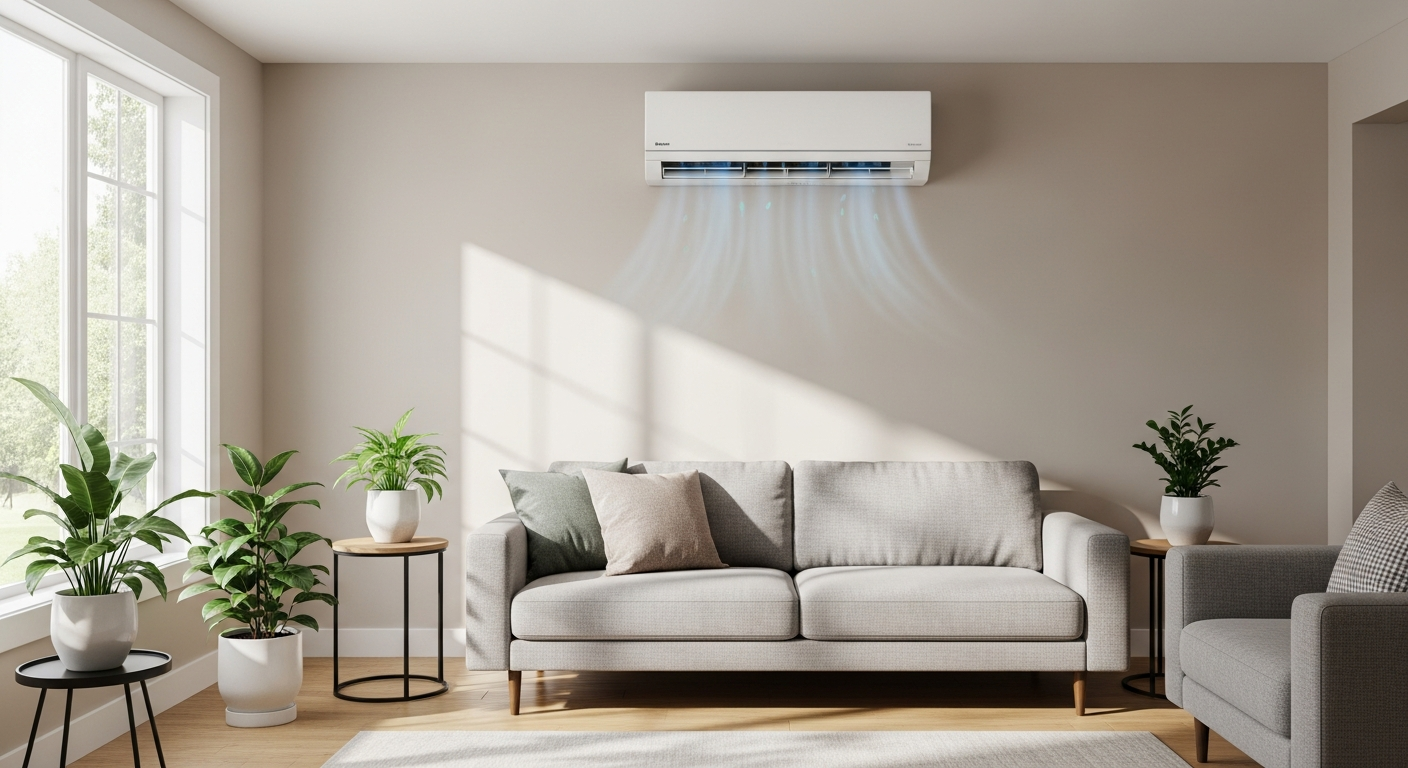
Solar-powered attic ventilators typically offer better long-term value
While electric models cost less upfront, solar units eliminate operating expenses and electrical work, making them the smarter choice for most hot-climate homes where sun exposure is adequate. Always ensure proper intake venting or the fan can do more harm than good.
What Matters Most
- Expect all-in installation costs of $300–$900 for electric models, $450–$1,000 for solar.
- Solar fans have zero operating cost and avoid the need for a new electrical circuit.
- A PAV must be balanced with sufficient soffit intake vents; otherwise it will pull conditioned air from living spaces and raise energy bills.
- In humid climates, a humidistat is critical; in cold climates, a powered fan can cause ice dams and should be avoided unless expert-designed.
- Always get three quotes, verify licenses, and confirm the warranty and waterproofing details.
Strengths
- Can lower attic temperature by 20–30°F, reducing AC load by 10–15%.
- Solar models operate for free, improving payback.
- Quality units include thermostats and humidistats for efficient, targeted operation.
- Professional installation ensures a leak-proof roof penetration.
Weaknesses
- Inadequate intake ventilation can cause backdrafting and actually increase cooling costs.
- Electric models add $5–$15/month to utility bills.
- Poorly installed fans are a common source of roof leaks and mold.
- May not be effective if attic insulation is already poor.
- Risk of ice dam formation in cold climates if improperly controlled.
Decision summary
| Scenario | Usually do | Why |
|---|---|---|
| Attic regularly exceeds 130°F; passive vents insufficient | Install a PAV with proper intake | Reduces heat buildup, lowers AC strain |
| Adequate ridge/soffit vents; no severe overheating | Skip PAV; maintain passive vents | Balanced system is often sufficient; fan could disrupt |
| No existing attic wiring; good sun exposure | Install solar PAV | Avoids $150–$300 electrical work; zero operating cost |
| High humidity climate | Choose PAV with humidistat | Controls moisture; prevents mold in attic |
| Coastal location | Select corrosion-resistant model | Prevents rapid degradation from salt air |
| Cold winter climate | Avoid PAV or install with safety controls | Can cause ice dams; use only if professionally designed |
Quick Answer
A professionally installed powered attic ventilator (PAV) typically costs between $300 and $900, including the unit and labor. Electric models alone run $100–$250; solar-powered units cost $250–$600. Labor adds $200–$400, with extra fees for new wiring ($150–$300) or difficult roof access. Operating an electric fan costs $5–$15 per month in summer; solar fans have no operating cost. Use our cost estimator and quote checker to compare local bids.
Installation Cost Breakdown
| Component | Typical Range | Notes |
|---|---|---|
| Electric PAV unit | $100 – $250 | 110V, thermostat often included |
| Solar PAV unit | $250 – $600 | Photovoltaic panel, no external wiring |
| Labor (basic install) | $200 – $400 | Cutting roof hole, flashing, sealing |
| New electrical circuit | $150 – $300 | If no existing attic outlet; not needed for solar |
| Permits | $50 – $150 | Varies by municipality |
| Total estimated range | $300 – $900+ | Electric with existing wiring; solar $450–$1,000+ |
Factors That Influence Your Total Cost
Roof Pitch and Material
Steep roofs or fragile materials (tile, slate, metal) require extra safety equipment and time, often adding 20–50% to labor. A flat or low-slope roof with asphalt shingles is least expensive.
Electrical Wiring
If your attic doesn’t have a nearby outlet, an electrician will need to run a dedicated circuit, which can add $150–$300. Solar models skip this cost entirely and are ideal for detached garages or sheds.
Unit Type and Features
Basic electric models are cheapest but add monthly operating costs. Mid-range units may include a humidistat ($20–$40 extra) or improved motor. Premium solar fans are pricier upfront but pay for themselves over 5–10 years through zero electricity cost.
Access and Permitting
Cramped attic access, complex roof geometry, or the need for a structural assessment can increase labor. Many jurisdictions require a permit for roof penetrations, so confirm with your contractor.
Geographic Location
Labor rates vary widely. In major metros, expect higher rates. Use the contractor search to find local pros.
Operating Costs and Efficiency
An electric PAV typically draws 200–300 watts. At $0.13 per kWh, running 12 hours a day for 4 months might cost $10–$15 monthly. Solar models have no utility cost.
Many units include an adjustable thermostat (set to 95–110°F) and an optional humidistat to cycle the fan only when needed. In humid climates, a humidistat prevents moisture buildup that can lead to mold. See our guide on improving indoor air quality for complementary strategies.
How to Decide If a Powered Attic Ventilator Is Right for Your Home
Use these rules to guide your decision:
- Start with assessment: Measure attic temperature on a hot day. If it’s consistently above 130°F and AC struggles, a PAV may help. If temps are milder or passive vents (ridge/soffit) are plentiful, it’s likely unnecessary.
- Check intake venting: A PAV must have enough soffit intake area (usually 1 sq ft of net free area per 300 CFM of fan). Without it, the fan can pull conditioned air from your living space, raising bills. A professional can calculate this; unbalanced systems can do more harm than good.
- Consider insulation and air sealing: If your attic floor is well-insulated (R-30 or higher) and air-sealed, adding a PAV gives diminishing returns. Prioritize insulation first.
- Evaluate electrical access: If running a new circuit is expensive or impossible, a solar unit is the clear choice. Use our rebate finder to see if solar attic fans qualify for incentives.
- Climate factors: In extremely humid areas, a humidistat is essential; in cold climates, a PAV can cause ice dams if not properly controlled. See local considerations below.
Safety Boundaries: What You Can Check and What Requires a Pro
A powered attic ventilator involves roof work and electrical connections. To avoid injury, property damage, or voiding warranties, follow these guidelines:
- Homeowner-safe tasks: With power switched off at the breaker, you can visually inspect the fan for debris, clean leaves around the exterior vent, check that the fan spins freely (by hand), listen for unusual noises, and adjust thermostat/humidistat settings if accessible without opening an electrical box. You can also examine attic floor insulation and look for signs of water stains around the fan.
- Professional-only work: Installing a fan requires cutting a hole in the roof, properly flashing it to prevent leaks, and making electrical connections. Any wiring, motor replacement, or electrical troubleshooting inside a junction box is high-voltage work and must be done by a licensed electrician. Roof work requires safety equipment and knowledge of weatherproofing; an improperly sealed fan can cause thousands in water damage. Do not attempt to wire a new circuit, replace the motor, or integrate a new controller. Also never bypass safety switches or thermostats.
Use Our Tools to Estimate Your Project
- HVAC Cost Estimator: Get a personalized installation range based on your zip code and project details.
- Quote Checker: Upload contractor bids and see if they’re within typical ranges.
- Repair or Replace Calculator: Already have an older fan? Decide whether a new solar unit makes financial sense.
- Rebate Finder: Find local incentives for energy-efficient ventilation upgrades.
Contractor Checklist: Questions to Ask Before You Hire
- Are you licensed, bonded, and insured for roofing and electrical work?
- What size PAV (in CFM) do you recommend, and how did you calculate it for my attic’s square footage?
- Does the quoted price include all flashing, sealant, and waterproofing to guarantee a leak-free install?
- Will you check my existing soffit vents and tell me if I need additional intake ventilation?
- Does the unit come with a thermostat and humidistat? What are the adjustable ranges?
- Who handles the electrical connection—your crew or a licensed electrician? Is that included?
- Will you pull the required permits, and is the permit fee in the quote?
- Can you provide references from similar installations in my area?
- What warranty do you offer on labor, and what does the manufacturer’s warranty cover?
- Do you install solar models, and can you help me calculate the payback period?
Local Considerations for Ventilation
Hot, Sunny Climates (e.g., Phoenix, AZ)
Attic temperatures can exceed 160°F. A solar PAV often pays for itself quickly. Consider a higher CFM model. Find pre-screened Phoenix AC contractors who understand extreme heat.
Humid Climates (e.g., Houston, TX; Miami, FL)
Choose a model with an integrated humidistat. Ensure continuous soffit venting to balance air and prevent pulling humid outside air into the attic. Learn more about energy recovery ventilators for whole-home moisture control.
Cold Climates (e.g., Chicago, IL; Minneapolis, MN)
Use caution: a PAV can lower attic temperature in winter, potentially causing ice dams and pulling warm, moist air from the house into the attic, leading to condensation. Many pros recommend against powered fans in cold regions unless the attic is exceptionally well-sealed and insulated. If needed, a unit with a low-temperature cutoff (shuts off below 40°F) is essential. See Chicago heating specialists for advice on attic issues.
Coastal Areas
Salt air corrodes standard metal components. Insist on stainless steel or marine-grade finishes for the fan and flashing.
Older Homes
Existing wiring may need upgrading; roof sheathing may be brittle. Factor in a contingency of 10–20% for unforeseen conditions.
How We Calculate These Cost Estimates
The price ranges provided are editorial estimates based on analysis of public contractor pricing data, manufacturer MSRPs, and regional labor-rate surveys. Actual costs can vary due to seasonality, project complexity, and local market conditions. These figures are meant to help you benchmark quotes, not serve as guaranteed quotes. Always obtain at least three written bids and verify contractor credentials via HVACDatabase.com. Compare offers with our contractor comparison tool. For similar cost guides, visit our cost guide hub.
Frequently Asked Questions
How long does installation take?
A standard installation on an asphalt-shingle roof with existing wiring takes 2–4 hours. Adding a new electrical circuit or working on a steep tile roof can extend it to a full day.
Can I install a powered attic ventilator myself?
We strongly recommend against DIY for this project. Cutting a roof hole and achieving a reliable waterproof seal requires professional skill; improper flashing can cause severe water damage. Additionally, electrical wiring must meet code and often requires a permit. The risk outweighs the potential savings.
What size attic fan do I need?
A common baseline is 1 CFM per square foot of attic floor area. For example, a 1,500-sq-ft attic would need a 1,500 CFM fan. However, the right size depends on roof pitch, insulation, and vent configuration. A qualified contractor can perform a proper calculation.
Will a powered attic ventilator reduce my cooling bills?
Potential savings vary. In hot climates, lowering attic temperature by 20–30°F can reduce AC runtime by 10–15%. But if your attic floor is poorly insulated, much of that heat already transfers into the home regardless. Address insulation before adding a fan.
Do powered attic ventilators work in winter?
Humidistat-equipped models can help reduce attic moisture in mild winter climates. In freezing climates, however, they can create ice dams by melting snow on the roof or draw warm house air into the attic. Many thermostats have a low-temperature cutoff; check that yours is set accordingly.
Methodology
HVACDatabase estimates combine common contractor price patterns, service-category pricing ranges, equipment complexity, urgency, regional labor variation, and known HVAC safety boundaries. Actual prices vary by city, brand, system size, access, warranty status, permit requirements, and whether the visit discovers ductwork, electrical, refrigerant, gas, or drainage issues. Use these numbers to sanity-check quotes, not as a guaranteed price.
Related articles
Connect this page to adjacent guides so readers keep moving deeper into the topic cluster.

Cost to Install Multiple Smart Thermostats
Get a clear cost breakdown for installing 2–4+ smart thermostats. Includes equipment, labor, zoning upgrades, and how to save with utility rebates. Practical checks and contractor questions inside.
How to Implement a Whole Home Energy Management System
Integrate smart tech and HVAC controls to cut energy waste. This guide shows how to audit, upgrade, and automate your home's energy use, with real savings estimates.
How Utility Demand Response Programs Use Smart Thermostats
Enrolling your smart thermostat in a demand response program can earn you up to $150/year while keeping you comfortable. Learn if it's right for your home and how to maximize benefits.