Duct Booster Fan Installation Cost
Struggling with hot or cold rooms? Discover the costs associated with installing a duct booster fan to balance your home temperature and improve airflow.
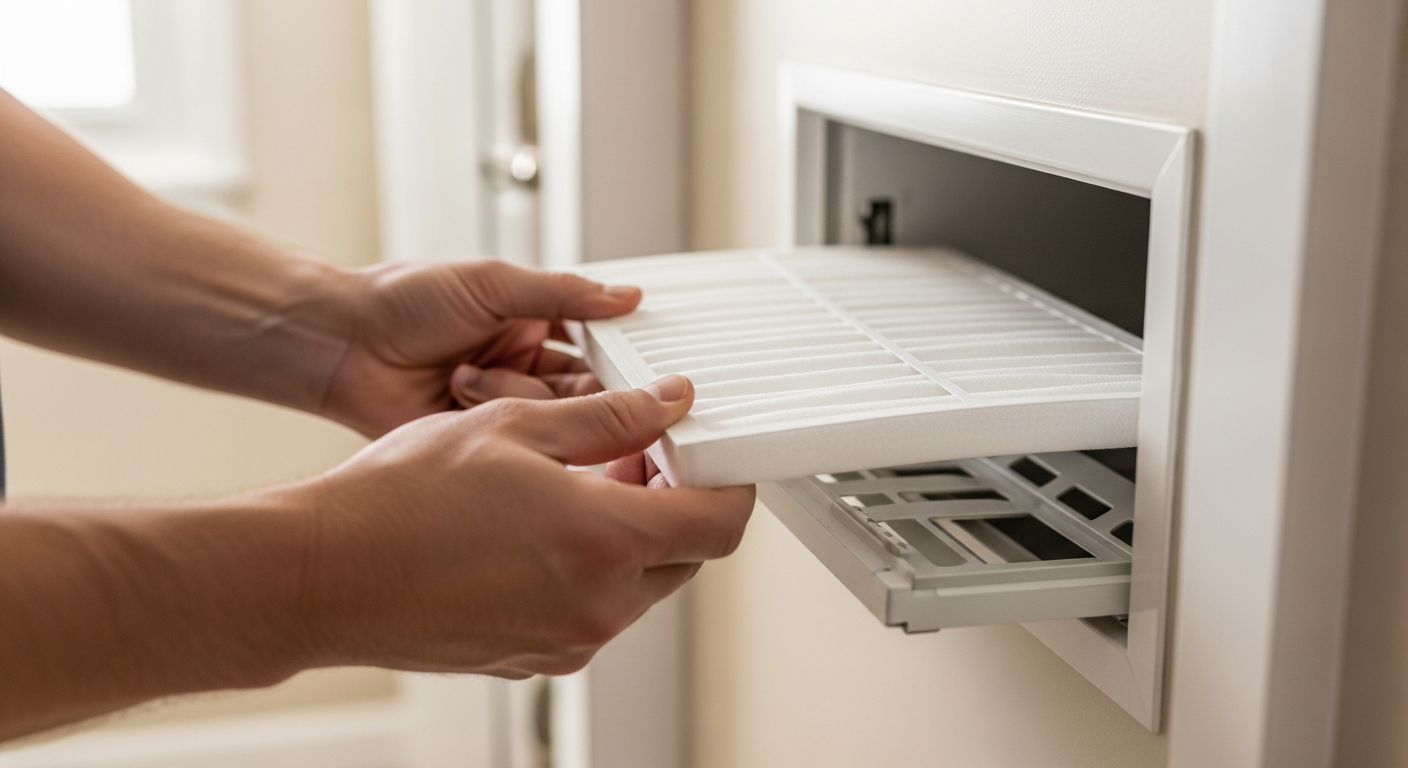
Is a Duct Booster Fan the Solution to Your Uneven Airflow?
Do you have that one room in your house that never seems to reach the right temperature? Whether it is a bedroom at the far end of the hallway or a finished basement that stays chilly, uneven airflow is a common frustration for homeowners.
A duct booster fan is a targeted solution designed to pull more air through your existing ductwork and push it into specific rooms. If you are tired of adjusting vents without success, understanding the duct booster fan installation cost is the first step toward a more comfortable home.
Average Cost to Install a Duct Booster Fan
The cost to install a duct booster fan typically ranges between $200 and $800, including parts and labor. The wide range accounts for the difference between simple DIY register fans and professional inline installations that require electrical work.
- Basic Register Fans: $30 to $100 (DIY-friendly)
- Inline Duct Fans: $150 to $500 for the unit alone
- Professional Labor: $150 to $350 for installation
If your project involves complex wiring or hard-to-reach ductwork, prices can climb higher. Homeowners looking for reliable quotes from local experts can find trusted professionals on HVACDatabase.com to ensure the job is done right.
Types of Duct Booster Fans
The total price you pay depends heavily on which type of booster fan you choose. There are two primary categories: register fans and inline fans.
Register Booster Fans
These are the most affordable and easiest to install. They simply replace your existing floor or wall register. You plug them into a nearby wall outlet, and they use small internal fans to draw more air into the room.
Inline Duct Booster Fans
Inline fans are installed inside the ductwork itself, usually in the attic, crawlspace, or basement. These are much more powerful and quieter than register fans but require cutting into the ducting and often necessitate a new electrical circuit. This is where most of the tips for improving air circulation in small homes often lead homeowners who need a permanent fix.
Factors That Influence Installation Costs
Several variables will dictate whether your project stays at the lower end of the price spectrum or moves toward the premium side.
Labor and Location
Labor rates vary significantly by region. For instance, the hvac installation cost in Philadelphia might differ from rural areas due to demand and overhead costs. Expect to pay an HVAC technician or electrician by the hour, with most jobs taking two to four hours.
Electrical Requirements
Inline fans need a power source. if there isn't an outlet or junction box near the installation site, an electrician will need to run a new line. This can add $150 to $300 to your total bill.
Duct Accessibility
If your ducts are hidden behind finished drywall, the contractor will need to cut access holes and repair them later. Open ductwork in an unfinished basement makes for a much cheaper and faster installation.
When a Booster Fan Isn't Enough
Sometimes, a booster fan is just a bandage on a larger problem. Before spending money on a fan, it is wise to consider other factors that affect airflow. For example, understanding the importance of hvac return duct size can reveal that your system simply cannot "breathe" properly, making a booster fan ineffective.
Additionally, if your air quality is poor, you might consider the cost to install a heat recovery ventilator to bring in fresh air while maintaining energy efficiency. In cases where the entire system is failing, some homeowners even look into high-efficiency upgrades like the cost to install a geothermal hvac system for long-term savings.
DIY vs. Professional Installation
Can you do this yourself? If you are buying a register fan that plugs into a wall, yes. It takes five minutes and a screwdriver. However, for inline fans, professional help is highly recommended.
An HVAC pro will ensure the fan is sized correctly for your CFM (Cubic Feet per Minute) requirements and that it won't create backdrafting issues. Improperly installed fans can actually restrict airflow when they aren't running or burn out the motor of your main furnace blower. You can find pre-vetted contractors through HVACDatabase.com to avoid these common pitfalls.
Preparing Your System for the Seasons
While a booster fan helps with daily comfort, don't forget the big picture. Seasonal maintenance is critical. Check out our guide on the cost to prepare your hvac for extreme weather to ensure your system survives the peak of summer and winter.
Furthermore, staying informed about new air quality standards and what they mean for your home can help you choose the right filtration and ventilation upgrades to pair with your new booster fan.
Conclusion
A duct booster fan is a cost-effective way to solve localized comfort issues. While register fans offer a quick fix for under $100, a professional inline installation for $400-$800 provides a more powerful, quiet, and permanent solution. Start by assessing your ductwork and consulting with a pro to ensure your HVAC system remains balanced and efficient.
Related articles
Connect this page to adjacent guides so readers keep moving deeper into the topic cluster.
Makeup Air Unit Installation Cost Guide
Planning a kitchen remodel or improving air quality? Learn the total costs and benefits of installing a makeup air unit in your home today.
Radon Mitigation System Cost Guide
Discover the average costs for radon mitigation systems and learn how professional installation protects your family's health and home value.
Cost to Install a Powered Attic Ventilator
Discover the costs involved in installing a powered attic ventilator to improve your home's energy efficiency and reduce attic temperatures.