How to Verify an HVAC Contractor License
Don't risk voided warranties or liability. Learn to verify an HVAC pro's license in minutes with this practical guide—complete with a decision tree, insurance tips, and local lookup links.
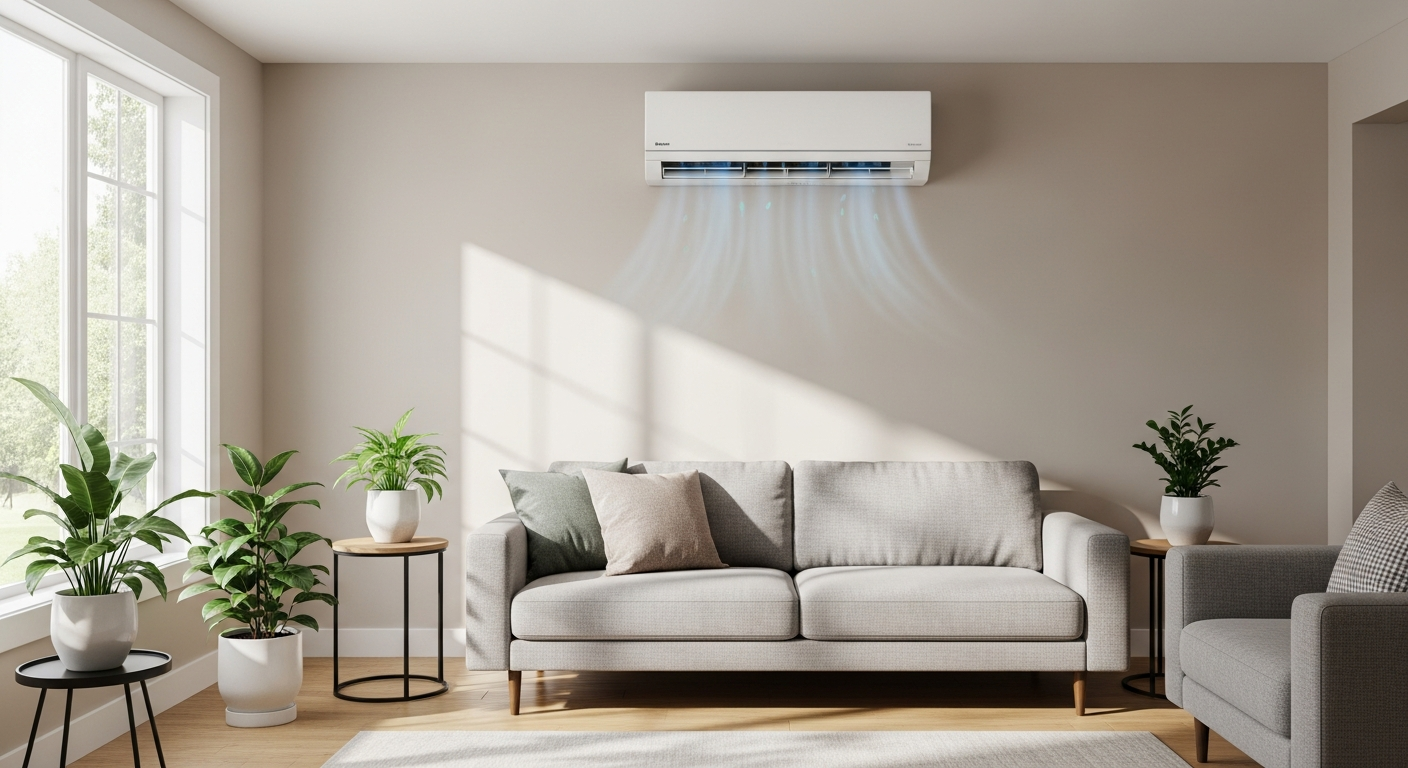
Always verify licenses and insurance before any HVAC work.
Checking a contractor’s state license, insurance, and local standing is the most reliable way to protect your investment, warranty, and personal liability. Never skip this step, even for small repairs.
What Matters Most
- Use your state’s online license lookup to verify active, HVAC-specific credentials.
- Request a Certificate of Insurance directly from the contractor’s insurance agent.
- Confirm local permits and bonds are in place if required by your city or county.
- Cross-reference license status with review platforms and HVACDatabase’s comparison tool.
- Walk away from any contractor who hesitates to provide verifiable license and insurance information.
Strengths
- Reduces risk of shoddy or dangerous installations.
- Ensures manufacturer warranties remain valid.
- Protects against financial liability for on-site injuries.
- Helps you comply with local building codes for future resale.
- Gives you legal recourse if disputes arise.
Weaknesses
- Online license databases may not reflect the most recent disciplinary actions.
- Insurance certificates can be forged—always verify with the agent.
- Some regions lack robust licensing; you must rely on certifications and references.
- Time spent verifying may delay urgent repairs, but the protection is worth it.
When to Verify—and How Much
| Scenario | Usually do | Why |
|---|---|---|
| New system installation | Full verification (license, insurance, permits, NATE) | Largest investment; warranty and code compliance critical |
| Emergency repair | Quick license check + COI; weigh urgency vs. risk | Minimizes immediate danger; follow up with full verification |
| Routine maintenance | Verify annually; ask for updated COI | Ensures ongoing compliance and coverage |
| Minor repair (<$500) | Still verify license and insurance; permits often not needed | Even small electrical/refrigerant mistakes can cause major damage |
| Contractor from online lead service | Always verify independently—do not rely on the platform’s screening | Third-party checks can be incomplete or outdated |
Why License Verification Matters Before You Hire
Your home’s HVAC system is a big investment—replacing a central AC or furnace can cost $5,000–$12,000+. The single most effective way to protect that investment is to verify the contractor’s license before they start work. An active, trade-specific license shows the pro has met state training, testing, and insurance standards. It also keeps your manufacturer’s warranty valid and shields you from liability if something goes wrong. In just a few minutes online, you can confirm these credentials. Here’s exactly how to do it, what to look for, and when to walk away.
Quick Answer: How to Verify an HVAC License in 5 Steps
- Ask the contractor for their license number (should be on their website, card, or estimate).
- Visit your state’s licensing board website (search “[State] HVAC license lookup”).
- Confirm the license is Active and specifically for HVAC/Mechanical work—not a generic business license.
- Check for disciplinary actions or complaints.
- Request a Certificate of Insurance (COI) directly from their insurer for liability and workers’ comp.
License Verification Checklist at a Glance
| Step | What to Check | Tools & Links |
|---|---|---|
| 1. Get License Number | Contractor's HVAC trade license (not a DBA) | Ask upfront; look on their HVACDatabase profile |
| 2. State Database Lookup | Status: Active, Classification: HVAC/Mechanical, Expiration date | Search “[State] contractor license lookup” |
| 3. Insurance Verification | General liability & workers' comp policies in effect | Request COI from contractor’s insurance agent |
| 4. Local Permits/Bonds | City or county registration, surety bond if required | Call local building department |
| 5. Professional Certifications | NATE certification, manufacturer-specific training | Ask for NATE ID; verify at NATE |
Safety Boundaries When Hiring an HVAC Pro
As a homeowner, you can and should verify licenses and insurance—this is safe, administrative work. However, do not attempt to inspect, repair, or maintain HVAC equipment yourself beyond simple tasks like changing air filters (see our air filter guide). Refrigerant handling, electrical diagnostics, gas fitting, and any work involving the sealed system or control boards must be performed by a licensed technician. Tampering with these components can void warranties, cause injury, or lead to code violations.
Decision Flow: Should You Hire This Contractor?
Use this step-by-step decision tree before signing any agreement:
- Did the contractor provide a verifiable HVAC license number without hesitation?
✅ Yes → Move to step 2.
❌ No → Stop. This is a major red flag. - Check the state database: Is the license status “Active” and classified for HVAC?
✅ Yes → Move to step 3.
❌ No → If expired, suspended, or a different trade class, do not proceed. - Did you receive a Certificate of Insurance showing current general liability and workers’ comp?
✅ Yes → Move to step 4.
❌ No → Insist on the COI; if they can’t provide it, consider other options. - Are there any unresolved complaints or disciplinary actions on their record?
✅ No → Move to step 5.
❌ Yes → Ask for an explanation; if the issues are serious or recent, walk away. - Do they have local permits/bonds in place if required by your municipality?
✅ Yes → You can move forward, but still check reviews (see guide to checking reviews).
❌ No → This may delay your project; confirm requirements before hiring.
Questions to Ask Before Signing the Contract
- “May I have your HVAC license number and the issuing state?”
- “Will you pull all necessary local permits for this job?”
- “Can you provide a Certificate of Insurance directly from your insurance agent?”
- “Are your technicians NATE-certified or factory-trained for my equipment brand?”
- “What happens if there’s a dispute or a warranty claim?”
- “Do you carry a surety bond? If not, why?”
- “Can you show me proof of current workers’ compensation coverage?”
- “Have you completed similar projects in my area recently? May I see references?”
- “What is your plan for handling refrigerants and EPA compliance?”
- “If I discover an issue after the work is done, what is your warranty process?”
For further contract scrutiny, read our article on How to Read an HVAC Contract Before Signing.
Local Considerations: License Requirements Can Vary by Region
State licensing is just the start. Many cities and counties have additional rules, especially in areas with extreme weather or specific building challenges. For example:
- Hot climates (Phoenix, AZ): Contractors must hold an active Arizona Registrar of Contractors license; AC work often requires a C-39R (residential) classification. Find pre-screened pros in Phoenix.
- Cold climates (Chicago, IL): Illinois requires a state license, and the City of Chicago mandates a separate registration. Heating contractors may need additional certifications for gas piping. Search Chicago heating specialists.
- Coastal / Hurricane-prone areas: Local codes often demand upgraded wind-load fastening and corrosion-resistant materials. Always verify that the contractor holds any required local permits and bonds.
- Older homes: Older HVAC equipment may contain asbestos or lead. Licensed contractors are trained to handle these hazards legally.
Use HVACDatabase Tools to Complement Your Verification
Once you’ve verified the license, make sure you’re getting a fair price and a sound deal:
- Quote Checker: Upload your quote to see if the pricing aligns with hundreds of similar projects in your region.
- Cost Estimator: Get a ballpark figure for your specific HVAC project before talking to contractors.
- Compare Contractors: Side-by-side profiles of local HVAC pros complete with licenses, insurance, and reviews.
- How to Get Multiple HVAC Quotes: A step-by-step guide to gathering and evaluating competitive bids.
Methodology: How We Arrive at These Recommendations
This guide combines best practices from consumer protection agencies, state contractor licensing boards, and real-world homeowner feedback. Our tool recommendations are based on HVACDatabase’s repair-cost database, which aggregates pricing data from thousands of completed HVAC jobs nationwide. Editorial cost ranges (e.g., diagnostic visit $80–$200) are estimates, not guarantees, and reflect standard non-emergency rates. Always verify final pricing with your contractor.
Frequently Asked Questions
1. How long does license verification take?
Usually 5–10 minutes online. Most state databases provide instant results. Requesting a COI may take a business day if the contractor’s agent is slow.
2. What if my state doesn’t require an HVAC license?
A few states (e.g., some rural areas) have limited licensing. In those cases, prioritize NATE certification, EPA Section 608 certification for refrigerant handling, and always verify insurance coverage. You can also check if the county or city requires local registration.
3. Is a NATE certification as good as a state license?
No. NATE is a voluntary knowledge credential; a state license is a legal requirement. They complement each other. Always verify the legal license first, then look for NATE as a quality indicator.
4. Can I be liable if an unlicensed contractor gets hurt on my property?
Yes. Without workers’ compensation insurance, you may be responsible for medical bills. This is one of the top reasons to demand a COI.
5. What should I do if I discover the contractor’s license is expired or has complaints?
Do not proceed. Report the issue to the state board if you’ve already paid a deposit. For unresolved complaints, contact your local consumer protection office and consider filing a complaint (see our guide).
Related articles
Connect this page to adjacent guides so readers keep moving deeper into the topic cluster.
How to Implement a Whole Home Energy Management System
Integrate smart tech and HVAC controls to cut energy waste. This guide shows how to audit, upgrade, and automate your home's energy use, with real savings estimates.

How to Set Up Thermostat Geofencing
Set up thermostat geofencing to automatically adjust home temperature as you come and go. Save energy, extend equipment life, and never return to an uncomfortable house. Get our quick-start guide now.
How to Troubleshoot Smart Thermostat WiFi Issues
Your smart thermostat offline? Most WiFi drops can be fixed with power checks, router adjustments, and simple restarts. Follow our step-by-step guide to regain remote control and energy savings.