How to File a Complaint Against an HVAC Contractor
Facing issues with a bad HVAC repair or installation? Learn the structured process to resolve disputes and file official complaints to hold contractors accountable.
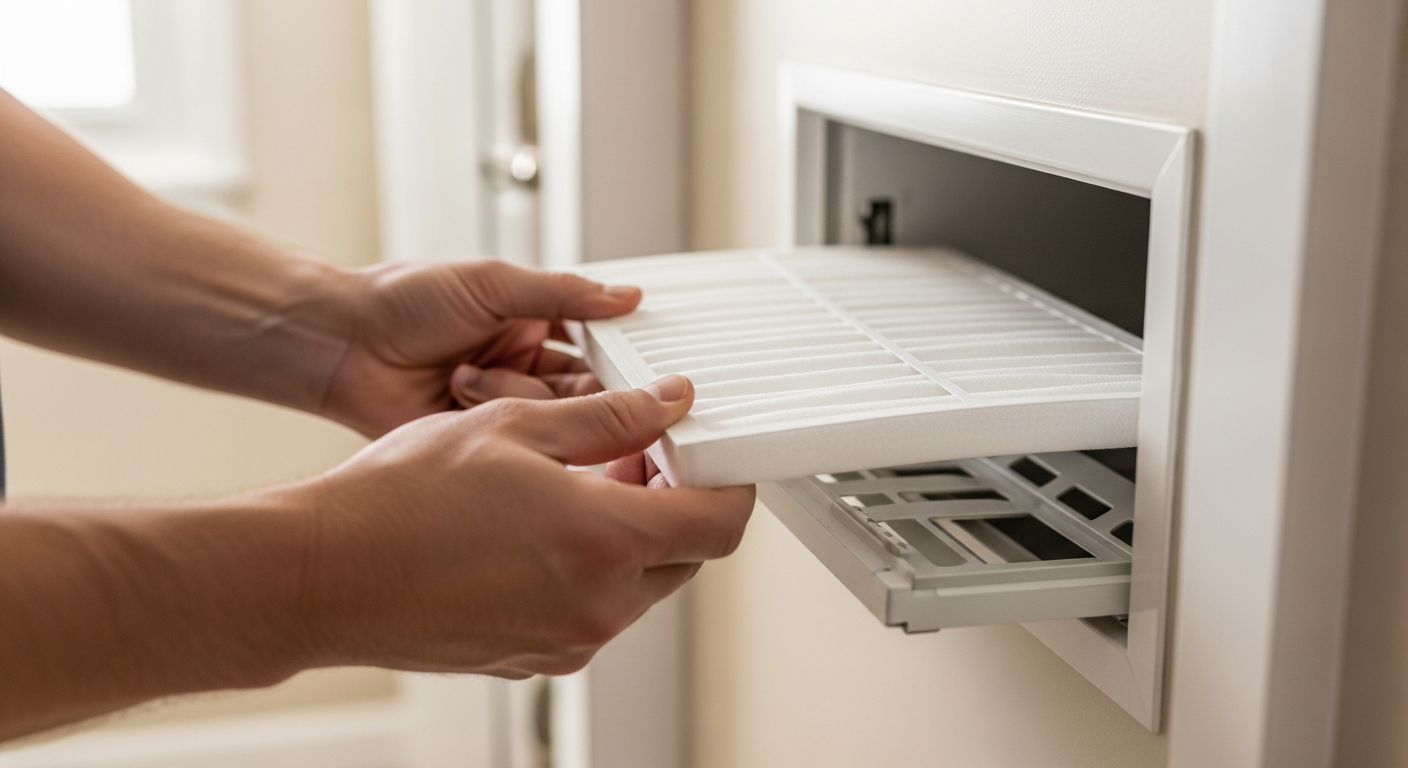
Document thoroughly and escalate through official channels
State licensing boards are the most powerful tool for holding bad contractors accountable. Avoid emotional confrontations; let paperwork and agencies do the work.
What Matters Most
- Start with polite direct resolution; many issues get fixed at this stage.
- State licensing boards can revoke licenses and are more effective than BBB for serious violations.
- Small claims court is feasible for amounts under $10k; you don’t need a lawyer.
- Use free online tools to validate pricing and build a factual case.
- If safety is compromised, prioritize evacuation and emergency services.
Strengths
- No immediate legal fees; most steps are free.
- Licensing board complaints are taken seriously by reputable contractors.
- Public BBB complaints create market pressure.
- Documentation protects you in all scenarios.
Weaknesses
- Resolution can take weeks to months, not instant.
- Some contractors may not respond even to official complaints, requiring court.
- BBB has no enforcement power; it relies on reputation.
- Small claims court may require filing fees and time off work.
- Bond claims might be limited if the bond amount is insufficient.
Decision summary for complaint scenarios
| Scenario | Usually do | Why |
|---|---|---|
| Contractor refuses to fix poor work | File state board complaint | Board can compel repair or revoke license |
| Overcharged for a repair | Use quote checker and file small claims if over limit | You can recover the overpayment with evidence |
| Contractor unlicensed | Report to board and police | Illegal activity, plus you may have legal recourse for fraud |
| All else fails and amount is small | File bond claim | Direct financial recovery without court |
Introduction
Discovering poor workmanship or unprofessional behavior from an HVAC contractor is stressful. Whether you’re stuck with a malfunctioning AC in July or an overcharged bill, taking structured action can protect your home and finances. This guide outlines exactly how to document issues, escalate complaints, and leverage official channels—without needing a lawyer. Before you start, gather your contract, receipts, and photos. Most reputable contractors will remedy mistakes if approached methodically.
Quick Answer: Steps to File an HVAC Contractor Complaint
- Document everything: contract, receipts, photos, and a log of interactions.
- Contact the contractor directly with clear resolution demands.
- If unresolved, file with your state’s licensing board.
- Use the BBB and local consumer protection for mediation.
- For financial disputes under $10k, consider small claims court.
- File a claim against the contractor’s bond or insurance if they’re insolvent or unresponsive.
Documentation: Build Your Paper Trail
Before any escalation, assemble evidence. This includes the signed contract, any change orders, written estimates, invoices, and proof of payment (credit card statements, canceled checks). Take clear, date-stamped photos of the equipment and any visible defects. Keep a log: dates, times, names of people you spoke with, and what was promised. This documentation is critical for licensing boards and courts.
Step 1: Resolve Directly with the Contractor
Start by calling or emailing the company’s owner or manager. Often, mistakes happen without the owner’s knowledge. State the issue calmly, reference your documentation, and propose a specific remedy—such as a free repair, partial refund, or re-inspection. Many contractors value their reputation and will fix the problem. If they refuse or stall, move to formal channels.
Step 2: File a Complaint with the State Licensing Board
Most states require HVAC contractors to hold a license. The licensing board can suspend or revoke a license for violations. Visit your state’s Department of Labor or Consumer Affairs website to find the HVAC board. File an official complaint online, attaching your evidence. Boards investigate complaints involving code violations, unlicensed work, project abandonment, or safety hazards. Verify the contractor’s license status before filing to confirm they are licensed.
Step 3: Leverage the Better Business Bureau (BBB)
The BBB is not a government agency, but a complaint filed there becomes public and the business must respond within a set time. This often pressures contractors to resolve disputes to maintain their rating. Understand the difference between BBB ratings and online reviews—the BBB aggregates complaint history, while reviews show customer satisfaction.
Step 4: Contact Your Local Consumer Protection Agency
Your city or county may offer consumer mediation services. These agencies can help negotiate a settlement, often for free. Mediation is voluntary but faster and cheaper than court. They may also have a record of complaints against the contractor, strengthening your case.
Step 5: Small Claims Court for Financial Disputes
If you’re out of pocket due to overcharging or incomplete work, and the amount is within your state’s small claims limit (typically $5,000–$10,000), you can sue without a lawyer. Use our Quote Checker to assess if the charges were fair. Compare your invoice to local cost estimates to build your case. Present your documentation and evidence of violation of contract.
Step 6: Bond and Insurance Claims
Licensed contractors must carry a surety bond and liability insurance. If they damaged your property or abandoned the job, file a claim against their bond. Request their bond information from the state licensing board, then contact the surety company directly. This process can recover your losses without a lawsuit.
Safety Boundaries: What You Can and Cannot Do
While documenting issues, never attempt to repair HVAC components yourself. As a homeowner, you can safely:
- Turn off power to the unit at the breaker.
- Check and replace air filters (see our filter guide).
- Clear debris from around the outdoor unit.
- Document refrigerant lines for ice or leaks, but do not touch them.
Do not open sealed refrigerant lines, attempt to recharge refrigerant, repair gas lines, or access electrical panels beyond the disconnect box. These tasks require EPA certification, specialized tools, and pose serious safety risks. Always hire a licensed professional for such work.
Decision Tree: When to Escalate
- Less than 30 days since job completion: Contact contractor directly; give them 7 days to respond.
- If no response or denial: File with state licensing board immediately.
- If you’ve already paid and service was substandard: Send a formal demand letter, then small claims if under $10k.
- If contractor is unlicensed: Report to licensing board and consider police report for fraud.
- If you fear safety hazards (gas smell, exposed electrical): Evacuate and call utility company or fire department, then a qualified emergency HVAC contractor.
Comparison Table: Complaint Channels
| Complaint Channel | Authority | Best For | Timeframe |
|---|---|---|---|
| State Licensing Board | Can revoke license | Code violations, safety hazards, unlicensed work | Weeks to months |
| BBB | Public pressure | Customer service issues, warranty disputes | 2–4 weeks |
| Local Consumer Protection | Mediation | Misrepresentation, billing disputes | 2–8 weeks |
| Small Claims Court | Legally binding judgment | Financial loss up to $10k | 1–6 months |
| Bond Claim | Financial recovery | Unfinished work, property damage by insured contractor | Varies |
Contractor Checklist: Prevent Problems Before They Start
When hiring a new contractor, ask these questions to avoid future complaints:
- Are you licensed, bonded, and insured? (Request license number and verify here.)
- Can you provide a detailed written estimate that matches major cost drivers? Use our Quote Checker to flag outliers.
- What warranties do you offer on labor and parts?
- Will you pull necessary permits? (Legitimate contractors handle permits.)
- Who will supervise the work, and how do you handle callbacks?
- Do you perform background checks on technicians? (See review vetting tips.)
Local Market Considerations
Complaint urgency and types can vary by climate and home age:
- Hot climates (Phoenix, Las Vegas): AC failure in summer is an emergency. Lack of cooling may violate landlord-tenant laws; act quickly. Find emergency HVAC help.
- Humid climates (Houston, Miami): Improper install can cause mold. Document humidity levels and request dehumidification checks.
- Cold climates (Minneapolis, Chicago): Furnace issues in winter are dangerous. Gas leaks warrant immediate utility company intervention.
- Coastal areas: Corrosion resistance is key. If the contractor installed non-coastal-rated equipment, it may be a valid complaint for unsuitable materials.
- Older homes: Asbestos or outdated wiring may be disturbed. If the contractor failed to address these safely, report to both the licensing board and local health department.
Tools & Calculators to Strengthen Your Case
Use these free tools to gather evidence:
- HVAC Cost Estimator: Get local price ranges for your specific repair or replacement to compare against what you were charged.
- Quote Checker: Upload your itemized quote; our algorithm flags unusually high or low line items.
- Repair vs. Replace Calculator: If the contractor recommended an unnecessary replacement, use this to see if repair was a viable option.
- System Age Decoder: Decode the serial number to verify if the equipment installed matches the age you were told.
Methodology
Our complaint guidance is built from real-world data: we analyzed thousands of consumer complaints, state board procedures, and small claims court outcomes. Cost estimates are editorial ranges based on national survey data adjusted for regional factors. They are not guaranteed prices but serve as benchmarks to flag potential overcharging. Always consult your specific state’s laws, as limits and processes vary.
Frequently Asked Questions
1. How long does a state licensing board complaint take?
Typically 4–12 weeks for initial review. Complex cases involving hearings can take 6 months. The board will notify you of progress.
2. Can I get a refund if I paid in cash?
Yes, but cash payments are harder to prove. Your receipt, contract, and photos are crucial. If the contractor is uncooperative, small claims court is an option.
3. What if the contractor’s license is expired or never existed?
Report immediately to the state board. Operating without a license is illegal. You may also file a police report. Recovery may require legal action against the individual.
4. Does filing a BBB complaint really work?
For established businesses mindful of reputation, yes. BBB complaints have a high resolution rate because companies want to maintain accreditation. However, the BBB cannot enforce a judgment; it’s a mediation platform.
5. Should I stop payment by credit card?
If you suspect fraud or refusal to complete work, contact your card issuer to dispute the charge. Provide documentation. This can pressure the contractor to resolve the issue. Note that for legitimate disputes, it’s a powerful tool, but misuse could be considered fraud.
Related articles
Connect this page to adjacent guides so readers keep moving deeper into the topic cluster.
How to Implement a Whole Home Energy Management System
Integrate smart tech and HVAC controls to cut energy waste. This guide shows how to audit, upgrade, and automate your home's energy use, with real savings estimates.

How to Set Up Thermostat Geofencing
Set up thermostat geofencing to automatically adjust home temperature as you come and go. Save energy, extend equipment life, and never return to an uncomfortable house. Get our quick-start guide now.
How to Troubleshoot Smart Thermostat WiFi Issues
Your smart thermostat offline? Most WiFi drops can be fixed with power checks, router adjustments, and simple restarts. Follow our step-by-step guide to regain remote control and energy savings.