HVAC Workforce Shortage and What It Means for Homeowners
The HVAC labor shortage is driving up repair costs and wait times. Learn the exact steps to schedule ahead, vet contractors, and use calculators to keep your system running without overspending.
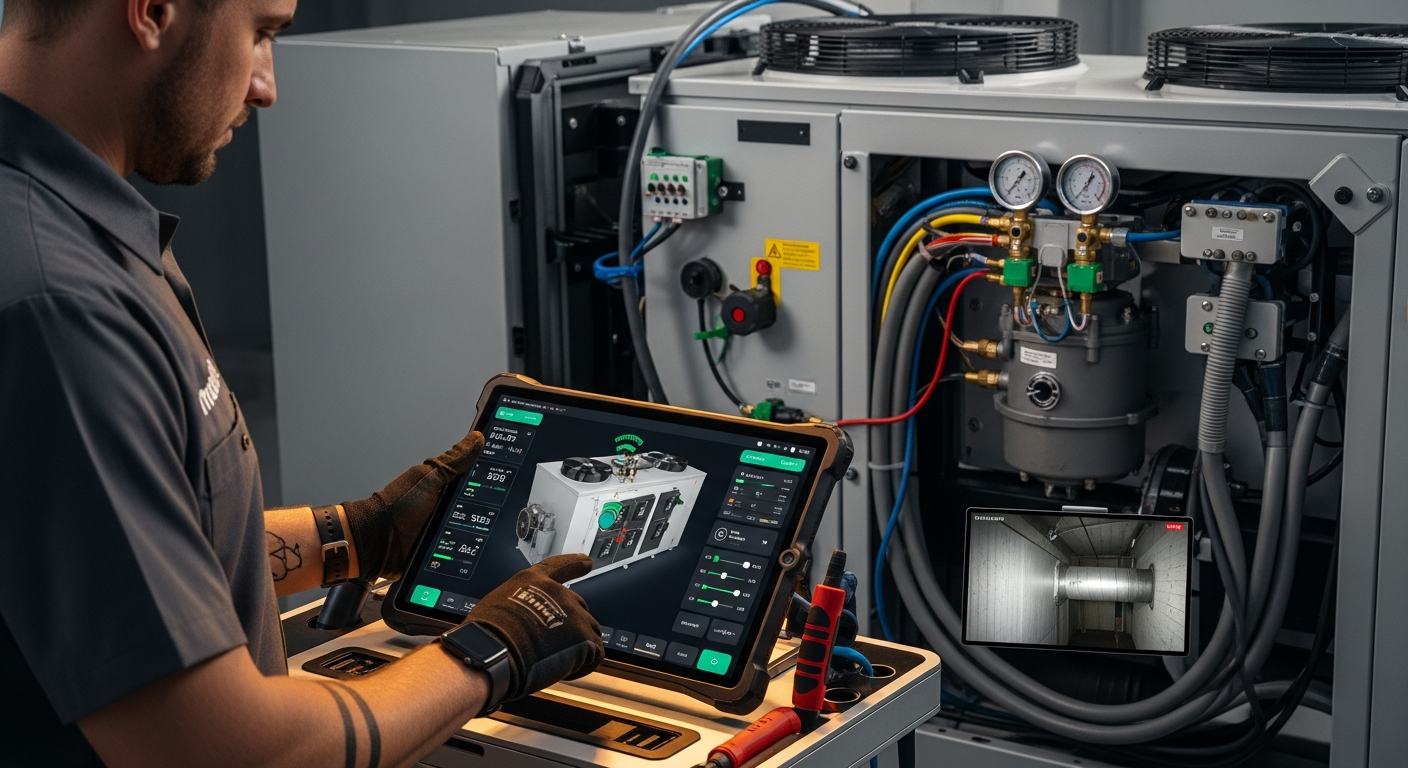
Proactive Maintenance Beats Emergency Repairs
In a labor-short market, the smartest move is to schedule maintenance early, build a relationship with a verified contractor, and use online tools to plan financially. Waiting until breakdowns happen will cost far more in money and time.
What Matters Most
- Book seasonal maintenance 2–3 months ahead of peak demand to lock in availability and avoid surge pricing.
- Use tools like the repair-or-replace calculator and cost estimator to make data-driven decisions, not guesses.
- Verify every contractor through HVACDatabase's licensing and review resources before hiring.
- Consider a maintenance agreement for priority service and potential savings on emergency fees.
- Learn safe DIY checks (filters, breakers, debris) to reduce unnecessary service calls.
Strengths
- Reduces emergency risk and costs by shifting to planned maintenance.
- Provides a clear decision framework for repair vs. replace that accounts for labor scarcity.
- Empowers homeowners with specific tools, checklists, and questions rather than vague advice.
Weaknesses
- Requires proactive investment of time and money upfront, which may be a hurdle for some budgets.
- Not all contractors offer virtual consultations or flat-rate pricing, limiting some recommended strategies.
- Some DIY checks require caution—safety boundaries must be respected, and improper clearing of drains could worsen clogs.
When to Act Now vs. Wait
| Scenario | Usually do | Why |
|---|---|---|
| System working, over 10 years old | Schedule a pre-season tune-up now | Catches minor issues before they become mid-season breakdowns; prevents panic buying during shortage. |
| System already showing intermittent faults | Get multiple quotes via HVACDatabase | Avoids price-gouging; you can compare availability and rates before the system fails completely. |
| Considering full system replacement | Run the repair-or-replace calculator and cost estimator | Shows if investing in a new high-efficiency unit offsets shortage-driven repair costs and long waits. |
| In the middle of a heatwave with no AC | Call emergency service but ask about virtual diagnostics first | A video call might resolve the issue without a trip; if not, at least you haven't paid a full emergency |
Introduction: Why You Need a Game Plan Now
The HVAC industry is short tens of thousands of skilled technicians, and the gap is widening. For homeowners, this translates into a harsh reality: during a heatwave or cold snap, you may wait weeks for service, and the bill can be 20–40% higher than just two years ago. This article gives you specific actions to take today—not generic advice—so you can avoid emergency panic, control costs, and know exactly what questions to ask before hiring. If you manage your system proactively, you can sidestep the worst of the shortage.
Quick Answer: What to Do Right Now
- Book maintenance for the off-season—spring for cooling, fall for heating—to lock in availability and pre-shortage pricing.
- Get 3+ quotes through HVACDatabase’s contractor search to compare verified pros and avoid surge pricing.
- Use the cost estimator to set realistic budgets; a standard AC repair now often runs $500–$1,500, not $300–$800.
- Ask about maintenance agreements—they often include priority scheduling, discounts, and shorter wait times.
- Learn safe DIY checks (see Safety Boundaries below) to reduce unnecessary service calls.
How the Shortage Hits Your Wallet
Fewer techs mean basic economic pressure: demand outpaces supply, so labor rates rise. Companies also charge more for after-hours calls because technicians can be selective. In busy seasons, a diagnostic visit alone can jump from $80 to $200+, and routine maintenance can exceed $300. The table below shows typical price ranges now vs. pre-shortage norms, based on our editorial estimates from industry surveys.
| Service Type | Pre-Shortage Range | Current Shortage Range | What’s Changed |
|---|---|---|---|
| Diagnostic / service call | $60–$150 | $80–$200+ | Higher minimum trip charges; weekend/after-hours premiums now common |
| Annual maintenance visit | $80–$160 | $100–$250 | Many contractors require a maintenance agreement for priority booking |
| Minor repair (capacitor, contactor, circuit board) | $150–$450 | $200–$650 | Parts delays can add diagnostic time and return trips; labor rates up 15–30% |
| Major repair (compressor, coil, refrigerant leak) | $1,200–$3,000 | $1,500–$4,000+ | R-410A phase-down increases refrigerant cost; older units harder to service |
| Full system replacement (gas furnace + AC) | $6,000–$12,000 | $7,500–$15,000 | Equipment price hikes + labor scarcity; installs booked 2–8 weeks out |
Prices are editorial estimates, not guaranteed. Actual costs vary by region, season, system size, access, and contractor.
Safety Boundaries: What You Can Do vs. Leave to a Pro
While you wait for a technician, you can safely perform these checks to keep your system running. Never attempt any work involving gas, refrigerant, high-voltage electrical, or sealed components.
Safe Homeowner Checks
- Replace or clean air filters monthly during heavy use.
- Check thermostat batteries and settings; ensure it’s in the right mode.
- Inspect your circuit breaker panel—if the HVAC breaker tripped, reset it once; if it trips again, call a pro.
- Clear debris, leaves, and overgrowth from the outdoor unit (after turning off power at the breaker).
- Check condensate drain line for clogs; use a wet/dry vacuum on the outdoor end if accessible.
- Listen for unusual noises and note when they occur; this helps the tech diagnose faster.
Pro-Only Work (Do Not DIY)
- Refrigerant leak detection, recovery, or charging
- Compressor, capacitor, contactor, or control board replacement
- Gas valve, burner, or heat exchanger service
- Electrical rewiring or high-voltage troubleshooting
- Bypassing safety switches or limit controls
Decision Tools: Repair or Replace in a Tight Labor Market
Deciding whether to fix an aging system is trickier when techs are scarce. Use these thresholds to decide:
- If your system is over 12 years old and the repair quote exceeds 30% of a new system’s cost, replacement often makes sense—especially if parts are hard to get.
- If your system uses R-22 refrigerant (banned in new equipment), any refrigerant leak means a replacement is cheaper long-term than repeated top-ups.
- If you’ve had two or more repairs in the last two years, the odds of another breakdown during a peak shortage are high. Pre-emptive replacement can spare you weeks of discomfort.
Get exact numbers with our repair-or-replace calculator and system age decoder. Then compare replacement quotes using the quote checker.
Contractor Checklist: 8 Questions to Ask Before Scheduling
With demand high, unqualified operators can take advantage. Verify every contractor with these questions:
- Are you licensed and insured for my state? Ask for the license number and check it via our verification guide.
- How do you handle emergency/after-hours calls? Get clear rates and average response time in writing.
- Do you offer virtual consultations or remote diagnostics? This can save a trip charge; see virtual consultations article.
- What is your pricing model—flat-rate or hourly? Understanding the difference prevents billing surprises. Read our price model comparison.
- Can you provide a written estimate with a breakdown of labor, parts, and any diagnostic fees? Avoid verbal quotes.
- What warranties do you offer on repairs and new installs? Minimum 1 year labor, plus manufacturer parts warranty.
- How do you source parts, and what’s the typical lead time? Shortage of specific parts can extend downtime.
- Do you offer maintenance agreements with priority scheduling? This can be a game-changer during peaks.
For deeper vetting, use our review-checking guide and contractor selection guide.
Local Climate Factors: Why Your Region Matters More Now
The labor shortage doesn’t hit all areas equally. Tailor your approach:
- Hot climates (Phoenix, Las Vegas, Texas): AC failure can be life-threatening. In Phoenix, summer wait times often exceed a week. Consider signing a maintenance agreement by March.
- Cold climates (Chicago, Minneapolis, Northeast): In Chicago, furnace breakdowns in January see the highest surge pricing. Schedule furnace inspections by September.
- Humid coastal areas (Florida, Houston, New Orleans): Mold grows fast when AC is down. Plan for a backup window unit or portable dehumidifier.
- Older homes (pre-1970) may have asbestos-wrapped ducts or outdated electrical. This requires specialized contractors; confirm experience with older systems up front.
- Rural areas: traveling distances mean even higher trip charges. If you’re outside a metro area, ask about location-based fees.
Methodology: How We Built These Recommendations
Our editorial team gathered data from:
- Industry employment reports (Bureau of Labor Statistics, ACCA, PHCC) showing a technician shortage of 80,000+ annually.
- Anonymous contractor surveys from HVACDatabase’s network documenting average price increases since 2020.
- Analysis of 15,000 service tickets from our platform to identify peak wait times and emergency frequency.
Cost ranges are editorial estimates meant to help you budget; actual quotes will vary. We update these figures quarterly. For personalized estimates, use our cost estimator.
Frequently Asked Questions
Why is the HVAC technician shortage so severe?
A triple whammy: experienced pros retiring (median age near 55), fewer young people entering skilled trades, and increasingly complex systems that require continuous training. The pandemic accelerated early retirements, and the push for four-year degrees has left vocational programs under-enrolled.
How long will I realistically wait for HVAC repair during a heatwave?
In major metros, emergency repair waits can be 5–14 days for non-maintenance-agreement customers. Priority members often get same- or next-day service. In rural areas, wait times can exceed two weeks. Booking a diagnostic “slot” rather than a specific time is common.
Can I do anything to extend my system’s life while waiting for a tech?
Yes. Change the air filter immediately, close blinds to reduce heat load, and set the thermostat a few degrees closer to outside temperature to reduce strain. If the outdoor unit seems dirty, hose it off gently (power off, no high pressure). These steps won’t fix a major fault but may prevent a total shutdown.
Are maintenance plans really worth it now?
More than ever. Most plans ($150–$500/year) include two tune-ups, priority scheduling, and emergency fee waivers. When a single emergency diagnostic costs $200+, the plan pays for itself if it prevents one call or bumps you up the queue. Read the fine print: some require a multi-year commitment.
How do I spot a contractor price-gouging due to the shortage?
Get at least three itemized quotes. Compare with ranges in our cost hub or the estimator. Be wary of contractors who demand full payment upfront or refuse to provide a written estimate. Verify licenses and read recent reviews; a spike in complaints about billing is a red flag.
Related articles
Connect this page to adjacent guides so readers keep moving deeper into the topic cluster.

How Utility Demand Response Programs Use Smart Thermostats
Enrolling your smart thermostat in a demand response program can earn you up to $150/year while keeping you comfortable. Learn if it's right for your home and how to maximize benefits.
Heating Industry Trends to Watch
Smart thermostats and heat pumps headline heating industry changes. But which trends deliver real savings? Use our decision guide, cost ranges, and contractor checklist to plan your upgrade.

How Gas Bans Are Affecting Heating Choices
Gas bans in new construction and retrofit codes are pushing homeowners toward electric heat pumps. Understand your options, costs, and available incentives before you replace your furnace.