Tips for HVAC Efficiency in Passive Solar Homes
Maximize the benefits of your passive solar design with specialized HVAC strategies that balance natural heat gain with mechanical climate control.

Optimizing HVAC for Passive Solar Design
Passive solar homes are designed to harness the sun's energy for heating and use natural ventilation for cooling. While this architectural style significantly reduces energy dependence, it requires a unique approach to HVAC management to ensure consistent comfort.
Because these homes rely on thermal mass and south-facing windows, the temperature can fluctuate differently than in a traditional build. Finding the right balance between natural energy and mechanical assistance is the key to a low-cost, high-comfort lifestyle.
Understanding the Role of the HVAC System
In a passive solar home, the HVAC system serves as a backup and a distribution tool rather than the primary heat source. Its main job is to circulate air to prevent hot or cold spots from forming near windows or masonry walls.
Homeowners often find that Energy Star HVAC equipment is the perfect companion for these homes. These high-efficiency units are designed to operate at lower speeds, which complements the slow release of heat from thermal mass materials like concrete or tile.
The Importance of Air Circulation and Zoning
Air stratification is a common challenge in solar-oriented architecture. Warm air naturally rises, often leaving the lower levels of a home cooler than the sun-drenched upper floors.
To combat this, consider installing a variable-speed air handler. Unlike standard blowers that are either on or off, variable-speed motors can run at low levels constantly, gently moving air throughout the home without creating drafts. This is particularly helpful for energy-efficient HVAC in multi-story homes where heat migration is a factor.
Smart Thermostats and Sensor Placement
Traditional thermostat placement can lead to short-cycling in passive solar homes. If your thermostat is in a room with direct sunlight, it may shut off the heater while the rest of the house remains cold.
- Use remote sensors in north-facing rooms to provide a balanced average temperature.
- Program your system to run the fan periodically even when heating or cooling isn't active.
- Invest in a smart thermostat that can learn your home’s unique solar gain patterns.
Complementing Solar Gain with Hybrid Systems
For many homeowners, a traditional furnace is overkill for a well-insulated passive solar house. This is where a hybrid HVAC system becomes an attractive option.
By combining an electric heat pump with a gas furnace backup, you can use the heat pump for mild adjustments during the day. The gas furnace only kicks in during extreme cold snaps when the sun hasn't been out for several days, ensuring you never sacrifice comfort for efficiency.
Managing Humidity and Ventilation
Passive solar homes are often built with airtight envelopes to prevent heat loss. While great for efficiency, this can lead to stale air and moisture buildup.
Energy Recovery Ventilators (ERVs) or Heat Recovery Ventilators (HRVs) are essential. These systems swap stale indoor air for fresh outdoor air while retaining the thermal energy you’ve already paid for. If you are building a new property, choosing an HVAC company for new construction that understands ERV integration is vital.
Practical Tips for Daily Efficiency
Beyond the mechanical systems, your daily habits impact how hard your HVAC has to work. Small adjustments can prevent the system from overcompensating for the environment.
- Use Window Coverings: Insulated cellular shades can hold heat in at night and block excess solar gain during the peak of summer.
- Maintain Your Filters: Restricted airflow makes your blower motor work harder, which is especially detrimental when trying to distribute solar heat.
- Seal Your Ducts: Even the best passive solar design can't overcome the 20-30% energy loss caused by leaky ductwork.
If you are unsure how to optimize your current setup, you can find trusted professionals on HVACDatabase.com who specialize in high-efficiency residential systems. A pro can help you determine if you should choose energy star HVAC equipment to maximize your long-term savings.
Designing for the Future
If you are in the planning stages of a home, think about the interaction between your layout and your ductwork. Compact duct runs and centrally located air handlers reduce the energy required to move air to the perimeter of the house.
For those who have transitioned to a remote lifestyle, managing these zones becomes even more important. You can find specific advice on HVAC when you work from home to ensure your solar-heated office stays comfortable throughout the workday.
Trust the Experts for Maintenance
Regular maintenance is the only way to ensure your complex systems continue to work in harmony with your home's architecture. Whether you need a seasonal tune-up or a full system replacement, homeowners can find trusted HVAC contractors on HVACDatabase.com to handle the job correctly.
For residents in specific climates, like California, local expertise is invaluable. Consulting tips for Stockton homeowners or similar regional guides can provide insight into how local humidity and sun cycles affect your specific HVAC needs.
Conclusion
Passive solar homes represent the pinnacle of sustainable design, but they are not "set it and forget it" structures. By prioritizing air circulation, choosing the right high-efficiency equipment, and performing regular maintenance, you can enjoy a home that is both environmentally friendly and perfectly comfortable year-round.
Related articles
Connect this page to adjacent guides so readers keep moving deeper into the topic cluster.
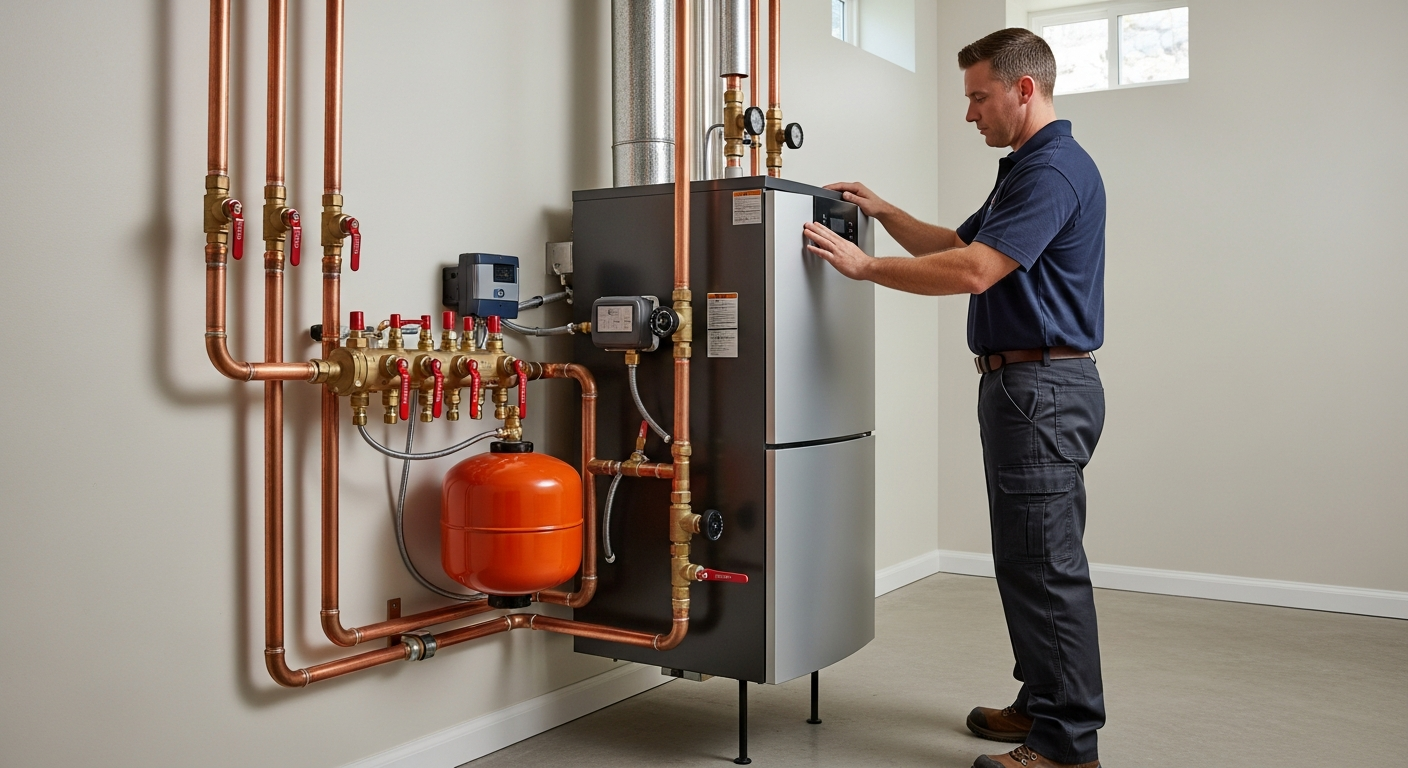
How Landscaping Affects Your HVAC Costs
Discover how strategic planting and shade can lower your cooling costs and improve the efficiency of your HVAC system while protecting your outdoor unit.
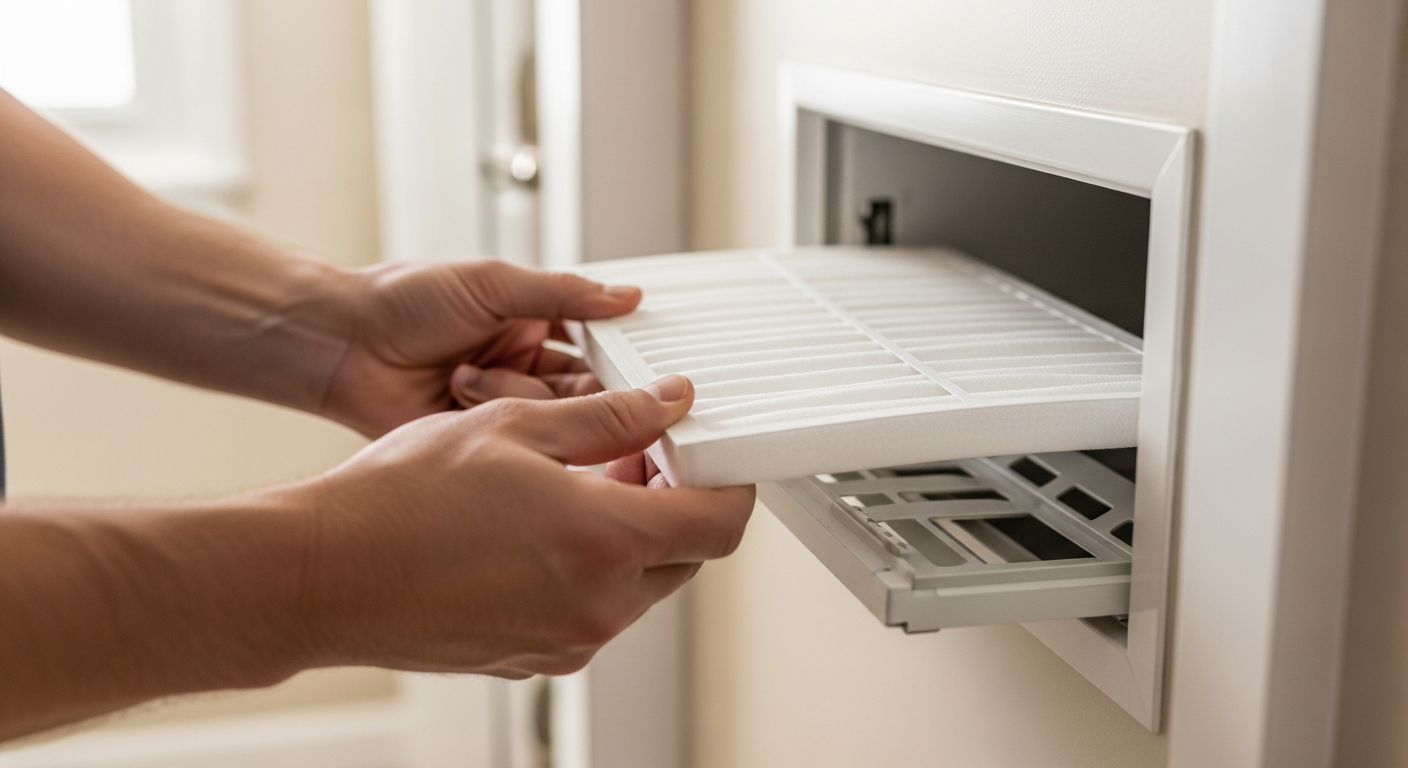
Tips for Restarting Your HVAC After an Extended Shutdown
Restarting your HVAC after a long break requires more than just flipping a switch. Follow these essential steps to ensure your system runs safely and efficiently.
HVAC Prep Checklist for Snowbird Homeowners
Heading south for the winter? Follow our comprehensive HVAC checklist to ensure your home remains safe, efficient, and damage-free while you are away.