Tips for Restarting Your HVAC After an Extended Shutdown
Restarting your HVAC after a long break requires more than just flipping a switch. Follow these essential steps to ensure your system runs safely and efficiently.
Safe Procedures for HVAC Reactivation
Whether you have been away for an extended vacation or are simply transitioning between seasons, restarting an HVAC system that has been dormant for months requires a careful approach. Jumping straight into a high-demand setting can put unnecessary stress on your equipment.
Before you touch the thermostat, it is vital to perform a visual inspection. This ensures that no debris, pests, or mechanical issues interfere with the initial startup process.
Step 1: Inspect the Outdoor Unit
Your condenser unit has likely collected leaves, twigs, or dirt while it was powered down. Clear a two-foot radius around the unit to ensure proper airflow.
Check the aluminum fins for any significant bending or blockage. You can learn more about cleaning your outdoor AC unit to prevent efficiency loss during the first run of the season.
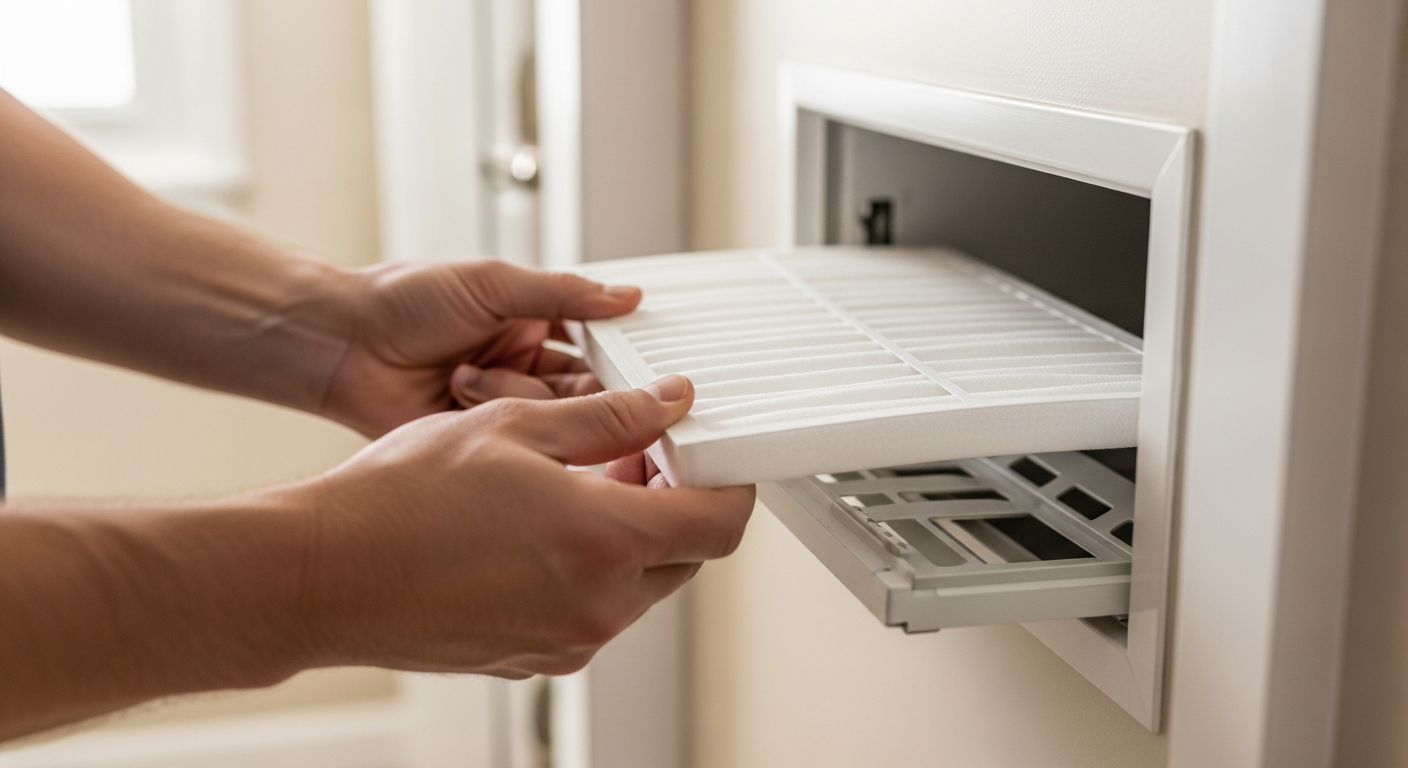
Step 2: Change the Air Filter
Even when a system is off, dust can settle on the filter. A clogged filter restricts airflow, which is the leading cause of blower motor failure and frozen evaporator coils.
Starting with a fresh, high-quality pleated filter ensures that your indoor air quality remains high from the moment the fans start spinning. This is a critical part of seasonal HVAC maintenance that every homeowner should perform.
The Initial Startup Sequence
When you are ready to restore power, do not simply crank the temperature to the extreme. Follow a gradual process to protect the compressor.
- Check the circuit breaker to ensure the HVAC switch is 'On'.
- Set your thermostat to 'Off' before restoring power at the main panel.
- Switch the thermostat to 'Cool' or 'Heat' and set it just a few degrees different from the current room temperature.
- Listen for unusual grinding, screeching, or banging sounds.
If you hear anything out of the ordinary, shut the system down immediately. You can find trusted HVAC professionals on HVACDatabase.com to diagnose these sounds before they turn into expensive repairs.
Step 3: Monitor the First Cycle
Stay near the unit for at least twenty minutes during its first cycle. Check the vents to ensure air is actually moving and that it reaches the desired temperature within a reasonable timeframe.
If you notice the system starting and stopping rapidly, you might be dealing with short-cycling. Understanding why your AC is running constantly or cycling too often can help you decide if it is time to call a pro.
Managing the Switch Between Modes
If you are restarting the system specifically because the weather is changing, you may need to adjust your settings. Knowing how to switch your HVAC from cooling to heating properly prevents system shocks.
If your system uses a heat pump, the transition is usually handled by a reversing valve. If you have a furnace, you may smell a faint 'burning' scent—this is often just dust burning off the heat exchanger and should dissipate quickly.
Step 4: Check Your Thermostat Settings
A long shutdown is the perfect time to audit your programming. If you use a modern system, review your smart thermostat energy reports to see if your previous settings were efficient or if they need adjustment for the new season.
Proper programming can save you significantly on utility bills while reducing the wear and tear on your compressor and blower motor.
Special Considerations for Different Environments
Location matters when it comes to system restarts. For example, homeowners should follow specific tips for HVAC maintenance in coastal areas, where salt air can cause rapid corrosion on internal components during the off-season.
If your system is older and struggling to restart, it might be more cost-effective to consider an upgrade. Be sure to look into the 25C tax credit for HVAC to see how much you can save on a new, high-efficiency installation.
Conclusion
Restarting your HVAC system doesn't have to be stressful. By taking the time to inspect the hardware, change filters, and monitor the first few minutes of operation, you can extend the life of your equipment and maintain a comfortable home.
If you encounter any issues during the restart process, don't wait for a total system failure. Visit HVACDatabase.com to connect with local, vetted HVAC contractors who can provide a professional tune-up and ensure your home stays comfortable all year long.
Related articles
Connect this page to adjacent guides so readers keep moving deeper into the topic cluster.
How Landscaping Affects Your HVAC Costs
Discover how strategic planting and shade can lower your cooling costs and improve the efficiency of your HVAC system while protecting your outdoor unit.

Tips for HVAC Efficiency in Passive Solar Homes
Maximize the benefits of your passive solar design with specialized HVAC strategies that balance natural heat gain with mechanical climate control.
HVAC Prep Checklist for Snowbird Homeowners
Heading south for the winter? Follow our comprehensive HVAC checklist to ensure your home remains safe, efficient, and damage-free while you are away.