Tips for Reducing Dust Mites With HVAC
Eliminate allergens and breathe easier by leveraging your HVAC system to control dust mite populations and improve your home's overall air quality.
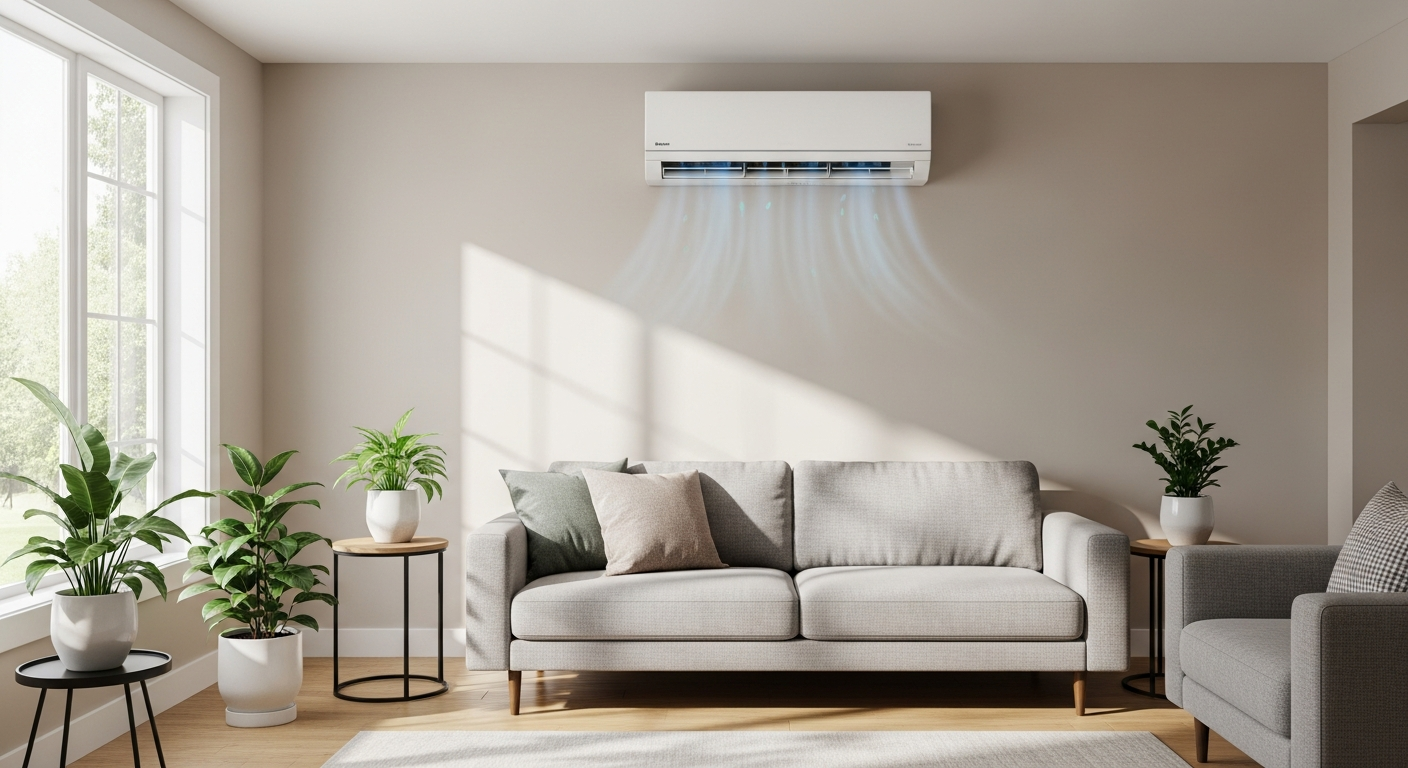
How Your HVAC System Controls Dust Mites
Dust mites are microscopic pests that thrive in warm, humid environments. While they don't bite, their waste products are a leading trigger for asthma and allergies in the home.
Your HVAC system is your primary line of defense against these microscopic intruders. By controlling humidity, filtering air, and ensuring proper ventilation, you can create an environment where dust mites simply cannot survive.
The Importance of Humidity Control
Dust mites do not drink water; they absorb moisture from the air. When the relative humidity in your home drops below 50%, dust mites dry out and die off.
A well-functioning air conditioner naturally dehumidifies the air, but in humid climates, it may not be enough. You might consider an integrated whole-home dehumidifier or investing in a heat recovery ventilator to manage moisture levels without sacrificing energy efficiency.
Monitoring Your Air Quality
You cannot manage what you do not measure. Using smart air quality monitors for your HVAC allows you to track humidity spikes in real-time.
If you notice humidity consistently climbing above 55%, your HVAC system may be oversized or failing to cycle long enough to remove moisture. This is a great time to consult a professional via HVACDatabase.com to evaluate your system's performance.
High-Efficiency Filtration is Key
Standard 1-inch fiberglass filters are designed to protect your furnace, not your lungs. To capture dust mites and their debris, you need a filter with a higher MERV rating.
- MERV 8 to 11: Good for standard residential use and captures most dust mite allergens.
- MERV 13+: Best for allergy sufferers, capturing even smaller particles.
- HEPA Filters: These provide the highest level of filtration but often require specialized housing and more powerful blowers.
Remember that thicker filters can restrict airflow if your system isn't designed for them. Always check your manufacturer specifications or ask a technician for advice.
Ventilation and Fresh Air Exchange
Stagnant air allows allergens to settle on surfaces like carpets and bedding. Bringing in fresh, filtered air dilutes the concentration of indoor pollutants.
Mechanical ventilation systems are excellent for this task. You should learn how to maintain your ERV system to ensure it continues to exhaust stale air while pre-conditioning the incoming fresh air. This balance is critical for keeping dust mite populations low.
Actionable HVAC Maintenance Tips
Routine maintenance prevents your HVAC unit from becoming a source of dust rather than a solution for it. Dirty coils and clogged drains can lead to excess moisture inside the air handler.
1. Clean Your Ducts and Vents
Dust accumulates inside ductwork over time. When the blower kicks on, it can circulate these particles back into your living space. Regularly vacuuming your registers and hiring a professional for duct cleaning every few years can make a significant difference.
2. Manage External Factors
Sometimes, external installations can impact your indoor air. For example, knowing how to install a dryer vent without affecting HVAC performance prevents moist lint-filled air from being pulled back into your home’s intake.
3. Be Mindful of Seasonal Changes
Weather shifts can drastically change how your system handles indoor allergens. Understanding how weather patterns affect HVAC performance helps you adjust your thermostat and humidity settings accordingly as the seasons transition.
Protecting Secondary Properties
If you own a vacation rental or a cabin, dust mites can thrive while the property sits empty. Following tips for maintaining HVAC in a seasonal home ensures that the air remains dry and filtered even when you aren't there.
Proactive care also prevents mechanical failures during peak usage. Planning ahead helps you avoid HVAC emergencies during holidays when guests are likely to be present and sensitive to air quality issues.
Find a Trusted Pro Today
Managing indoor air quality is a complex task that involves more than just changing a filter. If you suspect your HVAC system isn't effectively controlling dust mites or humidity, it is time to call in a specialist.
Homeowners can find trusted HVAC contractors on HVACDatabase.com to perform deep cleanings, install whole-home air purifiers, or optimize system settings. A local expert can provide a comprehensive air quality audit to ensure your home remains a healthy sanctuary for your family.
Summary Checklist
- Maintain relative humidity between 30% and 50%.
- Upgrade to a MERV 11 or MERV 13 air filter.
- Clean or replace filters every 60 to 90 days.
- Ensure all exhaust fans are vented to the outdoors.
- Schedule annual professional maintenance to keep the system running efficiently.
Related articles
Connect this page to adjacent guides so readers keep moving deeper into the topic cluster.
Understanding Bipolar Ionization for HVAC
Discover how bipolar ionization technology can purify your home's air by neutralizing pathogens and odors through your HVAC system.
Why You Should Test Your Home for Radon
Radon is an odorless, invisible gas that can pose serious health risks. Discover why testing your home is the only way to ensure your indoor air is safe for your family.

Understanding Balanced Ventilation Systems
Discover how balanced ventilation systems like ERVs and HRVs create a healthier home environment by managing airflow and humidity levels effectively.