How to Fix an AC Refrigerant Leak
A refrigerant leak isn't a simple fix. Learn when repairing makes sense, how much it costs, and why older R-22 systems usually need replacement. Use our calculator to compare your options.
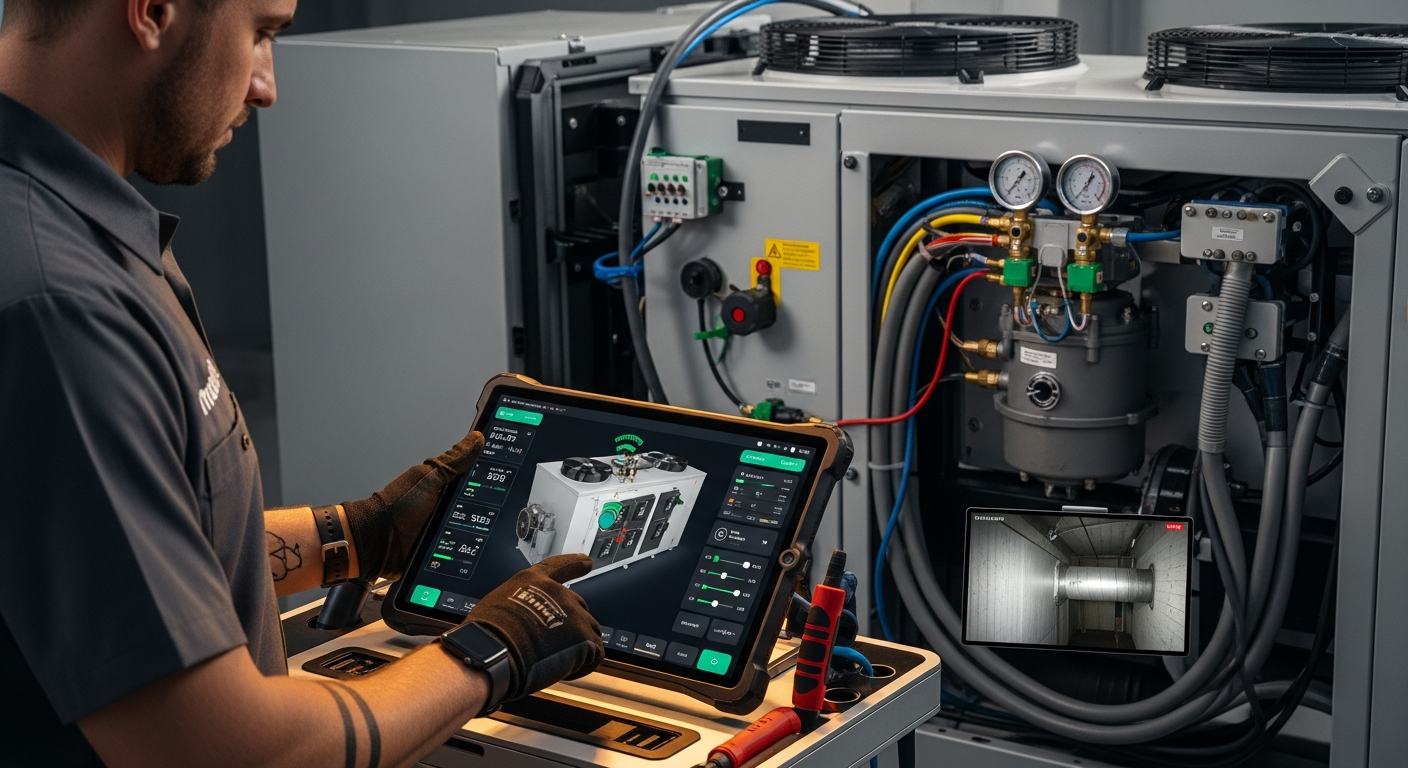
Repair minor leaks only on newer systems; replace older R-22 units
For systems under 10 years old using R-410A, repairing a refrigerant leak is often worthwhile if the cost is below $1,500. For older R-22 units or when repair exceeds 50% of replacement cost, a new system offers better efficiency, reliability, and long-term savings.
What Matters Most
- Refrigerant leaks always require professional repair — topping off is illegal and wasteful.
- Use our Repair or Replace Calculator to see if your leak justifies replacement.
- Older R-22 systems should almost always be replaced due to refrigerant obsolescence.
- Ask contractors about EPA certification, warranty, and detection methods before hiring.
- Regular maintenance (filter changes, coil cleaning) helps prevent future leaks.
Strengths
- Clear cost breakdowns with realistic ranges
- Concrete decision thresholds based on industry standards
- Safe homeowner diagnostic steps that don't risk injury or liability
- Regional guidance for corrosion-prone environments
- Integrated calculators and tools for personalized estimates
Weaknesses
- Repair costs can vary widely by market and technician availability
- Mini-split systems may have different leak detection challenges not covered here
- Some leaks are intermittent and may not be found on first visit
- Replacement decisions assume current efficiency ratings; future savings are estimates
Decision Summary: Repair or Replace Your Leaky AC
| Scenario | Usually do | Why |
|---|---|---|
| Minor leak, R-410A, <10 years old | Repair | Cost-effective; system has long remaining life |
| Major coil leak, 10–15 years old | Replace if repair > $1,500 | Coil replacement approaches 50% of new system cost |
| System uses R-22 (pre-2010) | Replace | Obsolete refrigerant is expensive and environmentally phased out |
| Multiple leaks or compressor damage | Replace | Frequent failures indicate systemic issues; new system is more reliable |
Quick Answer
If your AC is low on refrigerant, a leak exists. You cannot just “top it off” — EPA regulations require fixing the leak first. A professional must find and repair the leak, then recharge the system. Small leaks in systems under 10 years old can often be repaired for $500–$1,500. Older units using R-22 refrigerant are typically better replaced, as the obsolete refrigerant itself can cost over $100/lb. Use our Repair or Replace Calculator to see a personalized cost breakdown.
Symptoms: Is It Really a Leak?
| Symptom | Likelihood of Leak | What to Check First |
|---|---|---|
| Ice on refrigerant lines or coil | Very high | Check air filter, then call pro |
| Hissing or bubbling noise near unit | High | Listen closely; small leak may produce sound |
| Warm air from vents | Moderate | Thermostat setting, breaker, dirty condenser |
| Higher energy bills | Moderate | Compare year-over-year usage; may be other issue |
If you notice any of these, a leak is likely but not certain. A pro can confirm with an electronic leak detector or dye test.
Why You Can't Just Add Refrigerant
Adding refrigerant without fixing the leak is illegal in most areas and environmentally harmful. It also wastes money: the leak will continue, and you'll have the same problem again soon. Furthermore, an overcharged system can damage the compressor. Always repair the leak first, then recharge to the manufacturer's exact specification.
Repair vs. Replace: Decision Rules
Use this table to guide your choice. Our Repair or Replace Calculator can give a more precise recommendation based on your unit's age, repair estimate, and local energy rates.
| Scenario | Usually Do | Why |
|---|---|---|
| Minor leak, R-410A system <10 years old | Repair | Cost-effective; system has remaining life |
| Major leak in evaporator coil, system 10–15 years | Replace if repair > $1,500 | New coil + labor may approach 50% of replacement cost |
| Compressor also damaged | Replace | Compressor is the most expensive part; combined cost exceeds new unit |
| System uses R-22 (pre-2010) | Replace | R-22 is phased out, costing $100+/lb; new systems are more efficient and use cheaper R-410A or R-32 |
| Frequent leaks or multiple repairs | Replace | Indicates systemic corrosion or poor installation; money better spent on reliable new equipment |
What a Professional Repair Entails
Only EPA Section 608 certified technicians may legally handle refrigerants. Here's the standard process:
- Leak detection – Electronic sniffer, UV dye, or nitrogen pressure test.
- Refrigerant recovery – Remaining refrigerant is captured; venting is illegal.
- Repair – Small copper leaks are brazed; larger damage may require coil or line replacement.
- Pressure test – System pressurized with nitrogen to verify repair.
- Vacuum – Moisture and air pulled out to prevent acid formation.
- Recharge – Precise factory charge added.
Safety Boundaries: Homeowners may not touch refrigerant, braze copper, or operate recovery equipment. Safe checks you can perform:
- Inspect for oil stains (refrigerant carries lubricant).
- Listen for hissing when unit is off.
- Check air filter monthly and replace if dirty.
- Keep outdoor unit free of debris.
- Ensure condensate drain is clear.
If you suspect a leak, turn off the system to prevent compressor damage and call a pro.
Cost Estimates (Editorial Ranges)
| Service | Typical Range | Notes |
|---|---|---|
| Diagnostic visit | $80–$200 | Often rolled into repair cost if you proceed |
| Minor leak repair + recharge | $500–$1,500 | Includes labor, refrigerant, and small parts |
| Evaporator coil replacement | $1,500–$4,000 | Depending on coil type, brand, and access |
| Full system replacement | $4,000–$12,000+ | Varies by size, efficiency, and ductwork |
These are editorial estimates—actual prices vary by region, season, and labor rates. Use our HVAC Cost Estimator for a local quote comparison.
Contractor Checklist: Questions to Ask
- “Are you EPA Section 608 certified?” (Ask to see certification.)
- “What leak detection method will you use?” (Electronic with soap bubbles is standard.)
- “Will the repair come with a warranty?” (Labor and parts, at least 1 year.)
- “What’s the total cost if the leak can’t be fixed?” (Some jobs require coil replacement after inspection.)
- “What efficiency rebates are available if I replace the system?” (Check our Rebate Finder.)
- “How long will the repair take?” (Half-day typical; coil replacement may be full day.)
Always get 2–3 written estimates before authorizing major work. Use our contractor comparison tool to evaluate local pros.
Regional Considerations
- Hot, humid climates: Corrosion-resistant coils (copper/aluminum with anti-corrosion coatings) are a must. Consider pre-season maintenance to catch leaks early.
- Coastal areas: Salt air accelerates corrosion. Request epoxy-coated coils for extended life. See our guide on condenser coil care.
- Older homes: If system uses R-22, plan for replacement. Our Repair or Replace Calculator factors in refrigerant type.
- Cold climates: Some leaks only appear under high pressure (summer). Discuss with your tech if the leak could be heat-pump specific.
Tools & Calculators
- Repair or Replace Calculator – Enter your unit’s age, last repair cost, and see the recommended path.
- HVAC Cost Estimator – Get a personalized cost range for leak repair or replacement.
- Rebate Finder – See if high-efficiency equipment qualifies for utility rebates.
- BTU Calculator – Ensure proper sizing if you replace the system.
How We Develop These Recommendations
Our guidance is based on industry-standard pricing data from manufacturer bulletins, EPA regulatory requirements, and aggregated data from HVAC contractor surveys across the U.S. Decision thresholds (e.g., repair if <50% of replacement cost) come from ASHRAE and ENERGY STAR best practices. We update this content annually to reflect refrigerant phase-outs, equipment efficiency standards, and labor trends. All cost figures are editorial estimates; actual quotes will vary.
Frequently Asked Questions
Can I fix a refrigerant leak myself?
No. Federal law requires EPA certification to handle refrigerants. Attempting DIY repair can result in fines, void warranties, and cause injury. Stick to safe checks like inspecting for oil residue and changing filters.
How much does it cost to fix a refrigerant leak?
Minor repairs often range from $500–$1,500, including diagnosis, patching, and recharging. Large leaks requiring coil replacement can cost $1,500–$4,000. Use our Cost Estimator for a tailored range.
Is it okay to just add refrigerant to my old R-22 system?
No. R-22 production is banned, and remaining supplies are expensive (over $100/lb). EPA rules require fixing the leak first; simply topping off is illegal and wasteful. Replacement with a modern R-410A or R-32 system is usually smarter.
How long does a refrigerant leak repair usually take?
Most repairs take 2–6 hours, depending on leak location and accessibility. Replacing an evaporator coil can take a full day. The technician must recover refrigerant, fix the leak, pressure-test, vacuum, and recharge.
Will homeowner's insurance cover an AC refrigerant leak?
Typically no, unless the leak is caused by a covered peril like a lightning strike or fire. Normal wear and tear is excluded. Check your policy or add equipment breakdown coverage for such repairs.
Methodology
HVACDatabase estimates combine common contractor price patterns, service-category pricing ranges, equipment complexity, urgency, regional labor variation, and known HVAC safety boundaries. Actual prices vary by city, brand, system size, access, warranty status, permit requirements, and whether the visit discovers ductwork, electrical, refrigerant, gas, or drainage issues. Use these numbers to sanity-check quotes, not as a guaranteed price.
Related articles
Connect this page to adjacent guides so readers keep moving deeper into the topic cluster.
How to Implement a Whole Home Energy Management System
Integrate smart tech and HVAC controls to cut energy waste. This guide shows how to audit, upgrade, and automate your home's energy use, with real savings estimates.

How to Set Up Thermostat Geofencing
Set up thermostat geofencing to automatically adjust home temperature as you come and go. Save energy, extend equipment life, and never return to an uncomfortable house. Get our quick-start guide now.

How to Troubleshoot Smart Thermostat WiFi Issues
Your smart thermostat offline? Most WiFi drops can be fixed with power checks, router adjustments, and simple restarts. Follow our step-by-step guide to regain remote control and energy savings.