How to Maintain a VRF System
Essential VRF maintenance tasks you can safely do and when to call a pro. Get cost ranges, service checklists, and tools to avoid costly repairs.
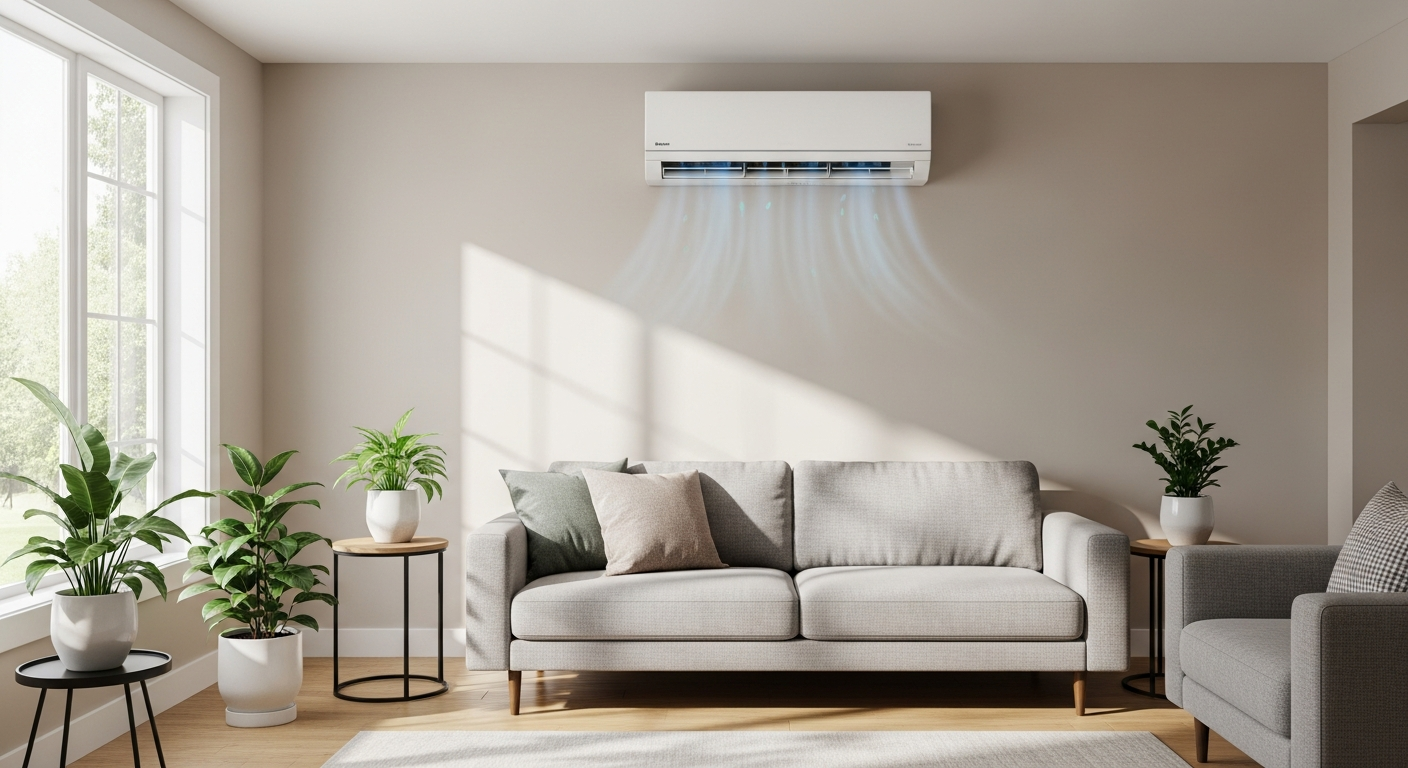
Proactive semiannual professional maintenance plus monthly DIY filter and drain checks are non-negotiable for VRF longevity and efficiency.
VRF systems demand a disciplined care schedule. Your role is monthly filter cleaning and outdoor coil inspection; twice-yearly certified technician visits handle the rest. This division maximizes lifespan, cuts emergency costs, and keeps comfort rock-solid.
What Matters Most
- Check and clean or replace filters every 30 days—more often if dusty or pet-heavy.
- Book a factory-trained VRF pro twice a year; expect to pay $150–$500 annually for a contract.
- Never open refrigerant lines, inverter panels, or sealed electrical compartments.
- If your VRF is over 12 years old and needs a major repair, run a replacement cost-benefit with our calculator.
- Always verify contractor VRF certification and ask for a maintenance agreement in writing.
Strengths
- Protects the high efficiency and long lifespan VRF is known for.
- Prevents water damage and mold from clogged condensate lines.
- Maintains factory warranty compliance when done by certified pros.
- Early leak detection avoids costly compressor failures and refrigerant loss.
- Monthly DIY checks take only 15 minutes but catch issues before they cascade.
Weaknesses
- Annual maintenance cost is higher than basic split systems.
- Requires a VRF-specific technician—often harder to find in rural areas.
- Replacement parts (inverters, proprietary boards) can be expensive and have longer lead times.
- DIY maintenance scope is very limited; overstepping risks severe damage or injury.
VRF Maintenance Decision Summary
| Scenario | Usually do | Why |
|---|---|---|
| Monthly filter check | DIY | Prevents airflow restrictions and motor strain; takes under 10 minutes. |
| Outdoor unit debris clearing | DIY | No special tools needed; protects coil and efficiency. |
| Visible condensate drain clog | DIY (surface only) | You can rinse the removable pan, but avoid pushing objects into the line. |
| Annual coil cleaning | Hire certified pro | Requires chemical cleaners and proper rinsing to avoid corrosion. |
| Refrigerant leak suspected | Hire certified pro | EPA certification required; refrigerant is hazardous and must be captured. |
| Major repair or system replacement | Use calculator + 3 quotes | High stakes—compare using <a href="/us/tools/repair-or-replace">repair or replace tool</a> and get multiple bids. |
Quick Answer
VRF systems need consistent care to preserve efficiency and avoid cascading failures. You can safely: check and clean air filters monthly, keep the outdoor unit clear of debris, and inspect condensate drains for visible clogs. Leave to a pro (twice a year): refrigerant leak testing, coil cleaning, electrical and communication checks, and any repair involving sealed components. Use our repair or replace calculator and cost estimator to plan service budgets.
What You Can Safely Do
These monthly DIY tasks prevent common airflow issues and water damage. Always turn off the indoor unit before touching filters or drains.
Air Filters
Check every 30 days—more often if you have pets, live in a dusty area, or run the system continuously. Most VRF filters are washable; rinse with water and let dry completely. Disposable filters must be replaced. Clogged filters strain the variable-speed fans and raise energy use. See filter replacement guidance.
Outdoor Unit Clearance
Keep 2 feet of clearance around the outdoor condenser. Remove leaves, twigs, and lawn debris that can block airflow through the coil fins. Trim vegetation back at least 18 inches. In snowy climates, gently brush off snow accumulation but avoid using a metal tool to prevent coil damage.
Condensate Drains
VRF indoor units extract a lot of moisture. Look for water stains near ceiling cassettes or wall units—a sign of a slow drain. You can flush a removable drain pan with warm water, but do not force objects into the drain line. For persistent clogs or if you smell mildew, call a VRF-trained contractor.
Check the Thermostat/Controller
Ensure the controller display is not obstructed and no error codes are flashing. A communication error code (like E0 or U1) often means a pro is needed.
Safety Boundaries: What Only a Pro Should Handle
VRF systems mix complex electronics, high-pressure refrigerant, and multiple indoor units on a shared circuit. Never attempt:
- Refrigerant handling, leak detection, or charging—by law, only EPA-certified technicians may buy or handle refrigerant.
- Electrical component replacement: inverter boards, capacitors, contactors, compressors, and communication wiring carry lethal voltages even when the unit is off.
- Opening sealed refrigerant lines or adjusting electronic expansion valves.
- Using chemical coil cleaners—improper application can corrode fins or void warranties.
If you suspect a refrigerant leak (hissing sound, frozen coils, reduced cooling/heating), shut the system off and schedule an emergency visit. Use our emergency HVAC locator if needed.
Professional Maintenance: What to Expect
Schedule a factory-trained VRF technician twice a year—ideally in spring and fall. A standard maintenance visit takes 1–2 hours per outdoor unit plus 15–30 minutes per indoor head. These editorial cost ranges apply to most regions (prices vary by location, system size, and urgency):
| Service | Typical Frequency | Estimated Cost per Visit | Notes |
|---|---|---|---|
| Preventive maintenance visit (checkup + basic cleaning) | Semi-annual | $80–$250 | Often discounted via annual contract |
| Annual maintenance contract (2 visits/year) | Annually | $150–$500 total | May include filter media and priority scheduling |
| Deep coil cleaning (evaporator & condenser) | If heavily soiled | $100–$300 per coil | Often needed every 2–3 years |
| Refrigerant leak search & repair | As needed | $200–$1,500+ | Depends on leak location and refrigerant type |
| Diagnostic visit (no repair) | When problems arise | $80–$200 | May be waived with contract |
During a pro visit, the technician should: test refrigerant charge and look for leaks, clean coils with approved chemicals, flush condensate lines, tighten all electrical connections, verify communication between indoor and outdoor units, check inverter and fan operation, and confirm safety controls function.
When to Repair or Replace: Decision Rules
VRF systems can last 15–20 years with proper care, but major repairs add up. Use these thresholds:
- System age under 8 years: typically repair, unless the repair exceeds 30% of a new system cost.
- Age 8–12 years: repair if a single component (e.g., a fan motor) fails and the system has been well-maintained; consider replacement if multiple indoor units develop compounding issues or if refrigerant is being phased out.
- Over 12 years: evaluate replacement, especially if the outdoor unit is failing or the system uses R-410A (phasing down). New VRF systems with R-32 or low-GWP refrigerant offer better efficiency and future-proofing.
- Repair cost > 50% of replacement: always replace.
Run the numbers with our repair or replace calculator and check potential rebates with the rebate finder.
Contractor Checklist: Questions to Ask Before Hiring
VRF systems demand brand-specific training. Ask a prospective contractor:
- Are you factory-trained and certified on this exact VRF brand (Daikin, Mitsubishi, LG, etc.)?
- Do you have a dedicated VRF service team or combine with standard residential techs?
- Can you provide a written maintenance agreement that spells out visits, labor, and parts?
- Do you carry liability and workers’ compensation insurance?
- Will you share a local reference with a similar VRF system?
- What diagnostic tools do you use for refrigerant leak detection and communication error codes?
- How do you handle after-hours emergencies?
Use our contractor search to find specialists and compare up to three contractors side by side.
Local Climate Considerations
- Hot, humid regions (Southeast, Gulf Coast): check filters and drains every two weeks; consider a maintenance contract with guaranteed response times during summer. Mold in drain pans is common—pro cleaning twice a year is essential.
- Cold climates (Midwest, Northeast, Mountain West): clear snow from the outdoor unit after storms; ensure the defrost cycle works in fall maintenance. Inverter-driven compressors may run long in cold weather—this is normal but confirm with your tech.
- Coastal areas: request corrosion-resistant coil coatings and inspect the outdoor unit for salt buildup every season.
- Older homes: VRF systems require stable power; have an electrician verify the panel capacity and grounding. Ducted and ductless VRF heads may need wall or ceiling modifications—plan this with a VRF-experienced designer. For whole-home renovations, use our sizing guide and commercial HVAC system selection tool.
Tools to Help You Decide
- Full-system cost estimator
- Are your quotes fair? Check them here
- Repair vs. replace decision calculator
- Decode your system’s age
- Central or ductless BTU sizing
- Local utility rebates
Methodology
Cost ranges and service frequencies are editorial estimates based on industry surveys, contractor interviews, and aggregated invoices across U.S. regions. Actual prices vary by system size, brand, season, local labor rates, access difficulty, and required parts. Use the linked calculators to obtain personalized numbers and always get three written quotes before authorizing major work.
Frequently Asked Questions
How often should I clean my VRF filters?
Every 30 days is the minimum. Homes with pets, construction dust, or high pollen count may need a check every two weeks. Washable filters can be rinsed and air-dried; disposable ones must be replaced.
Can I do the annual VRF maintenance myself?
No. Only factory-trained professionals should handle refrigerant, electrical components, and deep coil cleaning. DIY attempts risk system damage, void warranties, and create safety hazards. You can safely clean filters and clear outdoor debris.
What does a full VRF maintenance visit include?
A proper service includes: filter cleaning or replacement, evaporator and condenser coil cleaning, condensate drain flush, refrigerant leak test, control wiring inspection, inverter and fan motor checks, thermostat calibration, and a full system performance run. Expect a written report with any findings.
How much does annual VRF maintenance cost?
Budget $150–$500 per year for a contract covering two visits. Single-visit pricing typically falls between $80 and $250. Repairs are additional. Compare plans using our cost estimator.
What are signs my VRF needs immediate professional attention?
Unusual noises (grinding, hissing), error codes on the controller, ice on coils, reduced airflow, water leaks from indoor units, or an unexplained spike in utility bills all warrant a diagnostic visit. Shut the system off and request emergency service if you see smoke or smell burning.
Related articles
Connect this page to adjacent guides so readers keep moving deeper into the topic cluster.
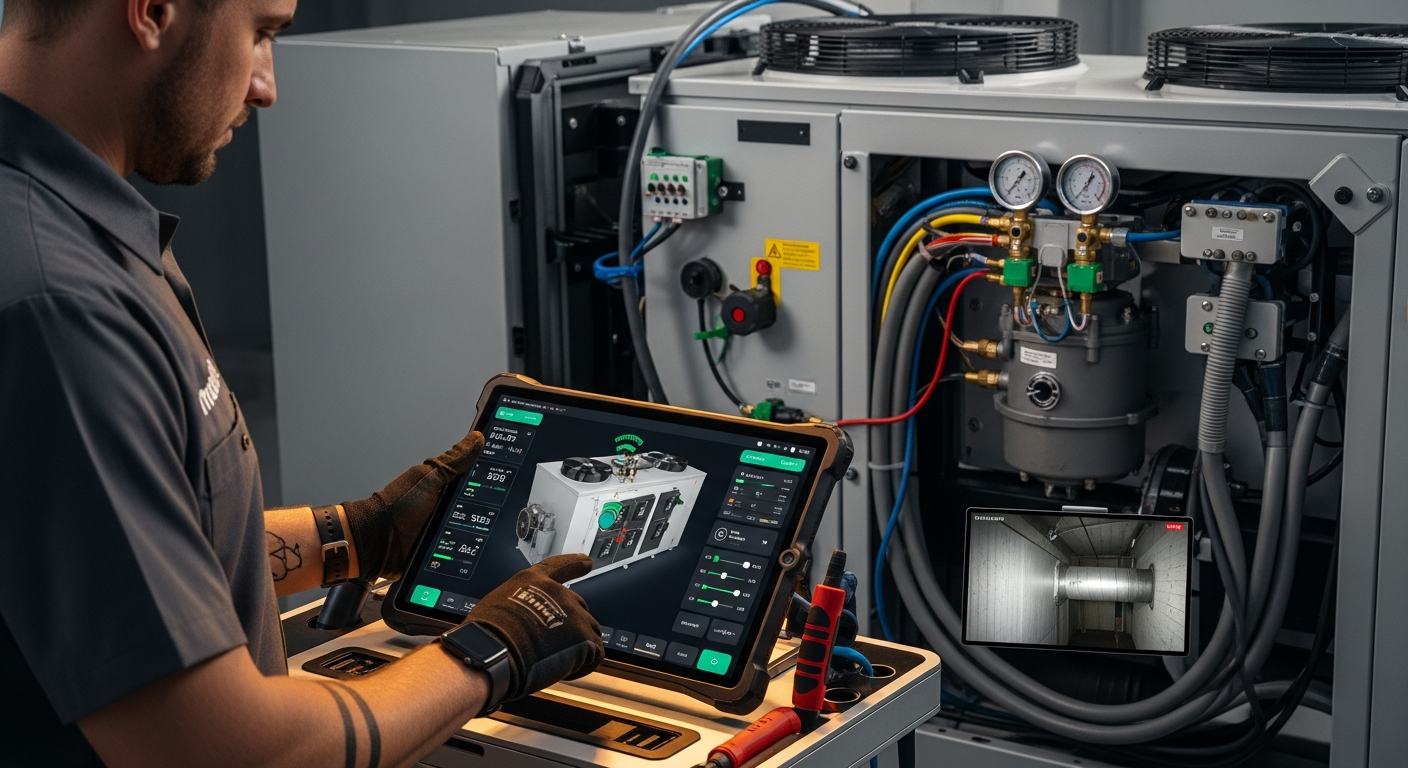
How to Implement a Whole Home Energy Management System
Integrate smart tech and HVAC controls to cut energy waste. This guide shows how to audit, upgrade, and automate your home's energy use, with real savings estimates.

How to Set Up Thermostat Geofencing
Set up thermostat geofencing to automatically adjust home temperature as you come and go. Save energy, extend equipment life, and never return to an uncomfortable house. Get our quick-start guide now.
How to Troubleshoot Smart Thermostat WiFi Issues
Your smart thermostat offline? Most WiFi drops can be fixed with power checks, router adjustments, and simple restarts. Follow our step-by-step guide to regain remote control and energy savings.