How to Maintain Your Heat Pump
Actionable heat pump maintenance checklist with cost guidance and climate tips to cut energy bills and extend equipment life.
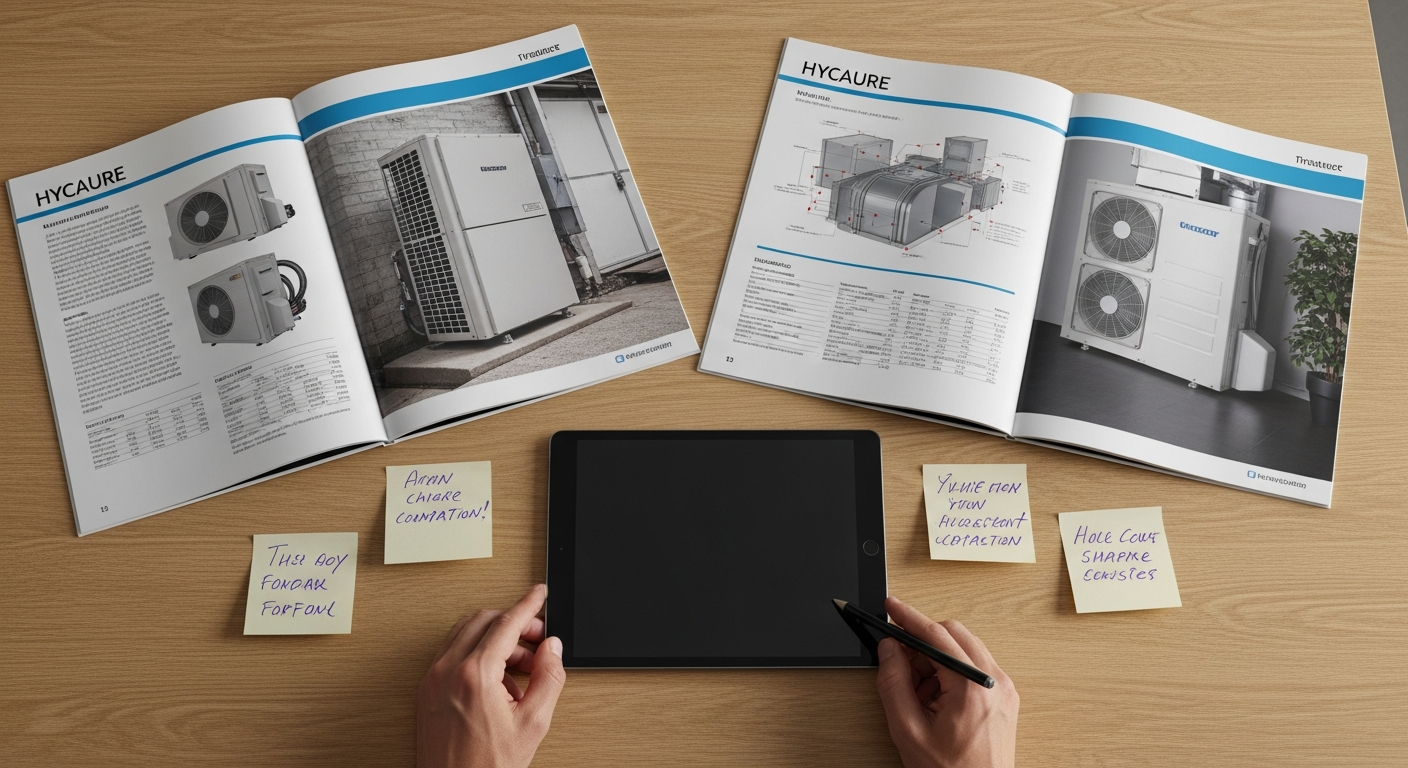
Prioritize Prevention, Know When to Upgrade
Stick to a simple monthly routine and annual pro visit. When repair costs climb above 50% of a new system, invest in a modern heat pump to capture efficiency gains and rebates.
What Matters Most
- Change filters every 30–90 days and keep 2 feet of clearance around the outdoor unit.
- Schedule a professional tune-up once a year, budget $100–$250.
- Avoid thermostat setbacks over 3°F to prevent backup heat spikes.
- Replace units older than 12 years if major repairs exceed $1,500.
- Use HVACDatabase calculators to estimate costs and rebates before deciding.
Strengths
- Routine DIY tasks are quick, low-cost, and prevent most common issues.
- Annual pro visits extend equipment life by up to 50%.
- Decision rules remove guesswork about repair vs. replacement.
- Climate-specific tips ensure tailored maintenance.
Weaknesses
- Some tasks, like coil cleaning, require caution to avoid damage.
- Pro tune-up quality varies; must verify scope of work.
- Older systems may need unexpected repairs even with maintenance.
- Coastal or extreme climates demand more frequent upkeep.
Heat Pump Maintenance: DIY vs. Professional
| Scenario | Usually do | Why |
|---|---|---|
| Monthly filter check | DIY | No tools needed; 5-minute task. |
| Outdoor coil cleaning | DIY (gentle rinse) or Pro (chemical clean) | A garden hose works for loose dirt; a pro handles deep grime without fin damage. |
| Refrigerant level check | Pro only | Requires gauges and EPA certification; low charge indicates a leak. |
| Condensate drain clearing | DIY (vinegar) or Pro (flush) | Vinegar prevents buildup; severe clogs need professional flushing equipment. |
| Annual comprehensive tune-up | Pro only | Includes electrical torque, combustion safety (dual-fuel), and performance measurements. |
Quick Answer: Heat Pump Maintenance Essentials
Perform these tasks on schedule to prevent 90% of common heat pump failures:
| Task | Frequency | Who Does It |
|---|---|---|
| Check & replace air filters | Monthly / every 90 days | Homeowner |
| Clear outdoor unit debris | Weekly or as needed | Homeowner |
| Clean condensate drain line | Every 3–4 months | Homeowner |
| Professional tune-up (coils, electrical, refrigerant) | Annually | Licensed HVAC technician |
Estimated annual maintenance cost: $100–$250 for DIY + one professional visit. Skipping maintenance can slash efficiency by 25%, raising bills by $200–$500 per year.
Why Heat Pump Maintenance Pays Off
A well-maintained heat pump uses up to 25% less energy than a neglected one, according to ENERGY STAR. For the average U.S. home, that’s $200–$500 in annual savings. Beyond cost, regular care prevents moisture issues, extends equipment lifespan from 10–12 years to 15–18, and keeps humidity levels comfortable. Since heat pumps run in every season, they work harder than furnaces or ACs alone—double the runtime demands double the attention.
Monthly Homeowner Tasks (15 Minutes or Less)
These simple checks keep your system breathing and reduce the strain on expensive components:
- Inspect filters: A dirty filter chokes airflow, forcing the blower to work harder. Pleated filters usually last up to 90 days, but check monthly if you have pets or construction dust.
- Clear outdoor unit perimeter: Keep at least 2 feet of clearance from shrubs, fences, or clutter. Leaves, grass clippings, and snow block the coil and trigger unnecessary defrost cycles.
- Gently rinse fins: With the power OFF, use a low-pressure garden hose to spray the outdoor coil from the inside out. Never use a pressure washer—it bends delicate aluminum fins.
Seasonal Deep-Dives: Summer and Winter Prep
Getting Ready for Cooling Season
- Check condensate drainage: Pour one cup of white distilled vinegar down the indoor condensate drain to kill algae and dissolve sludge. If water backs up, call a pro to clear the line before it trips the safety float switch.
- Verify outdoor unit is level: Shifting soil can tilt the unit, stressing refrigerant lines and reducing compressor lubrication.
- Set thermostat for heat pump mode: Ensure the thermostat is set to “cool” and the system is not relying on auxiliary heat strips.
Winterizing Your Heat Pump
- Manage defrost cycles: Ice on the outdoor coil is normal. If it persists beyond 15–20 minutes or the unit becomes a solid block of ice, the defrost control may have failed—call a technician.
- Avoid deep setbacks: Unlike furnaces, heat pumps recover slowly. Setting back your thermostat more than 3–5°F at night can trigger expensive electric resistance backup, wiping out any savings.
- Clear snow after storms: Shovel snow away from the unit, keeping the top and sides free. Never chip ice off the coil with sharp tools.
Safety Boundaries: What You Can and Cannot Touch
Making a mistake can injure you, destroy the equipment, or void warranties. Stick to these guardrails.
| Homeowner Maintenance (Safe) | Requires a Licensed Technician |
|---|---|
| Checking and replacing air filters | Measuring refrigerant charge |
| Clearing leaves and debris from outdoor unit | Repairing refrigerant leaks |
| Gently rinsing outdoor coils (power OFF) | Testing capacitors, contactors, or control boards |
| Cleaning condensate drain line with vinegar | Opening the sealed refrigerant circuit or compressor compartment |
| Inspecting duct vents for blockages | Any work involving gas lines or combustion parts (dual-fuel units) |
| Resetting a tripped breaker (once, then call pro if it trips again) | Diagnosing and repairing defrost control or reversing valve |
Warning: High-voltage electricity, toxic refrigerants, and pressurized systems can cause serious harm. DIY work on these components is illegal in many states without an EPA Section 608 certification.
Decision Rules: When to Repair vs. Replace Your Heat Pump
Use these thresholds to decide if it’s time to invest in a new system rather than continue patching an old one.
- Age over 12 years: Most heat pumps last 12–15 years. If your unit is beyond its expected lifespan and needs a major repair, replacement often makes more financial sense.
- Repair cost exceeds $1,500 or 50% of a new unit’s price: A compressor or coil replacement can run $2,000–$3,500. For a system valued at $6,000–$10,000, that’s a poor investment.
- SEER rating below 14 or HSPF below 8.2: Systems installed before 2015 struggle to meet modern minimums. Upgrading to a high-efficiency heat pump can cut heating bills by 30–50%.
- R-22 refrigerant: If your system uses R-22 (phased out in 2020), repairs become prohibitively expensive because refrigerant costs $100–$200 per pound.
- Uneven temperatures or humidity: Chronic performance issues despite adjustments suggest the system is mismatched or failing.
Use our Repair or Replace Calculator to input your numbers and get an instant recommendation.
Tools & Calculators to Guide Your Decisions
Make data-driven choices with these free HVACDatabase resources:
- Heat Pump Savings Calculator – Compare operating costs against your current furnace or AC.
- HVAC Cost Estimator – Get an editorial range for system replacement based on your zip code.
- Rebate Finder – Discover IRA tax credits and utility incentives worth up to $2,000 for efficient heat pumps.
- BTU Calculator – Size a new heat pump correctly to avoid short cycling or poor dehumidification.
- Quote Checker – Upload a quote to see if it’s fair and aligned with local rates.
Contractor Checklist: Questions to Ask Before an Annual Tune-Up
Not all maintenance visits are equal. A proper inspection takes at least 60–90 minutes. Use this list to vet a contractor:
- What exactly does your tune-up include? It should cover refrigerant pressure check, coil cleaning, electrical connection tightening, condensate drain inspection, and airflow measurement.
- Will you provide a written report with readings? Get superheat/subcooling numbers, static pressure, and temperature differential documented.
- Are you EPA-certified and insured? Required for handling refrigerants. Request proof.
- Do you charge extra if refrigerant is needed? Some companies advertise a low price but upcharge $100+/lb for R-410A top-offs. A system shouldn’t need regular refrigerant unless there’s a leak.
- Can I see before-and-after photos of the coils? Ensures they actually cleaned them thoroughly.
- What’s your service fee if I need repairs later? Many offer a discount on diagnostic charges if you’re a maintenance plan member.
Find vetted local contractors on HVACDatabase’s search or compare side-by-side at Contractor Comparison.
Local Climate Matters: Adjusting Maintenance for Your Region
Heat pumps face different challenges in different environments. Tweak your routine accordingly:
- Hot & Dry (e.g., Phoenix, Las Vegas): Dust clogs coils quickly. Clean outdoor coils monthly during peak season. Inspect condenser fins for heat fatigue.
- Humid (e.g., Houston, Miami): Algae in condensate drains is a major issue. Use vinegar treatments every 2 months. Ensure the unit is dehumidifying properly—check the evaporator coil for microbial growth.
- Cold (e.g., Chicago, Minneapolis): Snow and ice management is critical. Elevate the outdoor unit on a stand if burying in snowdrifts is common. Consider a pan heater for extremely low temperatures.
- Coastal (salt air): Corrosion attacks coils and electrical connections. Rinse the outdoor unit with fresh water monthly and apply a protective anti-corrosion coating every few years.
- Older Homes: Duct leakage can steal 20–30% of efficiency. Have a tech perform a duct leakage test and seal ducts before blaming the heat pump.
How We Estimate Costs & Recommendations
Our editorial estimates draw from aggregate contractor pricing databases, U.S. Bureau of Labor Statistics data, and nationwide installation surveys updated quarterly. Ranges reflect typical costs under normal conditions; they are not guaranteed quotes. Pricing varies by region, home accessibility, system size, brand, permits, and seasonal demand. Always get at least three itemized quotes before approving work.
Frequently Asked Questions
How often should I really change my heat pump’s air filter?
Under normal conditions, a 1-inch pleated filter lasts 60–90 days. In homes with multiple pets, allergies, or dusty renovations, check monthly and replace when visibly soiled. Write the install date on the filter frame to track it.
Why does my outdoor unit frost over in winter?
Frost is normal when outside temperatures dip below 40°F and the heat pump runs in heating mode. The unit will periodically enter a defrost cycle (the outdoor fan stops, and the unit blows steam). If frost covers more than 50% of the coil for over 30 minutes, the defrost board or sensor may be faulty—call a technician.
Can I cover my outdoor heat pump in winter?
No. Heat pumps need free airflow year-round. Covers trap moisture, encourage rust, and block the defrost cycle. Instead, build a simple snow roof or windbreak that stays at least 3 feet above the unit.
What’s a reasonable cost for an annual heat pump maintenance visit?
Expect to pay $100–$200 for a basic clean-and-check. More comprehensive plans that include coil cleaning, electrical torque, and drain treatment often run $200–$350. Annual service contracts with two visits and priority scheduling range from $150–$500 per year. Always compare what’s included.
My heat pump is 10 years old and needs a $1,200 repair. Should I fix it or replace it?
At 10 years, if the repair cost is less than 30% of a new installed system and your energy bills are stable, fixing is often worthwhile. But if the unit is inefficient (SEER below 14) or leaking refrigerant, replacement with a modern heat pump eligible for tax credits may yield lower lifetime costs. Use our Repair or Replace Calculator for a personalized answer.
Methodology
HVACDatabase estimates combine common contractor price patterns, service-category pricing ranges, equipment complexity, urgency, regional labor variation, and known HVAC safety boundaries. Actual prices vary by city, brand, system size, access, warranty status, permit requirements, and whether the visit discovers ductwork, electrical, refrigerant, gas, or drainage issues. Use these numbers to sanity-check quotes, not as a guaranteed price.
Related articles
Connect this page to adjacent guides so readers keep moving deeper into the topic cluster.
How to Implement a Whole Home Energy Management System
Integrate smart tech and HVAC controls to cut energy waste. This guide shows how to audit, upgrade, and automate your home's energy use, with real savings estimates.

How to Set Up Thermostat Geofencing
Set up thermostat geofencing to automatically adjust home temperature as you come and go. Save energy, extend equipment life, and never return to an uncomfortable house. Get our quick-start guide now.
How to Troubleshoot Smart Thermostat WiFi Issues
Your smart thermostat offline? Most WiFi drops can be fixed with power checks, router adjustments, and simple restarts. Follow our step-by-step guide to regain remote control and energy savings.