How to Spot an HVAC Scam
Don't get tricked by dishonest HVAC contractors. Discover the top scams, red flags, and how to use our free tools to find trustworthy pros and fair pricing.
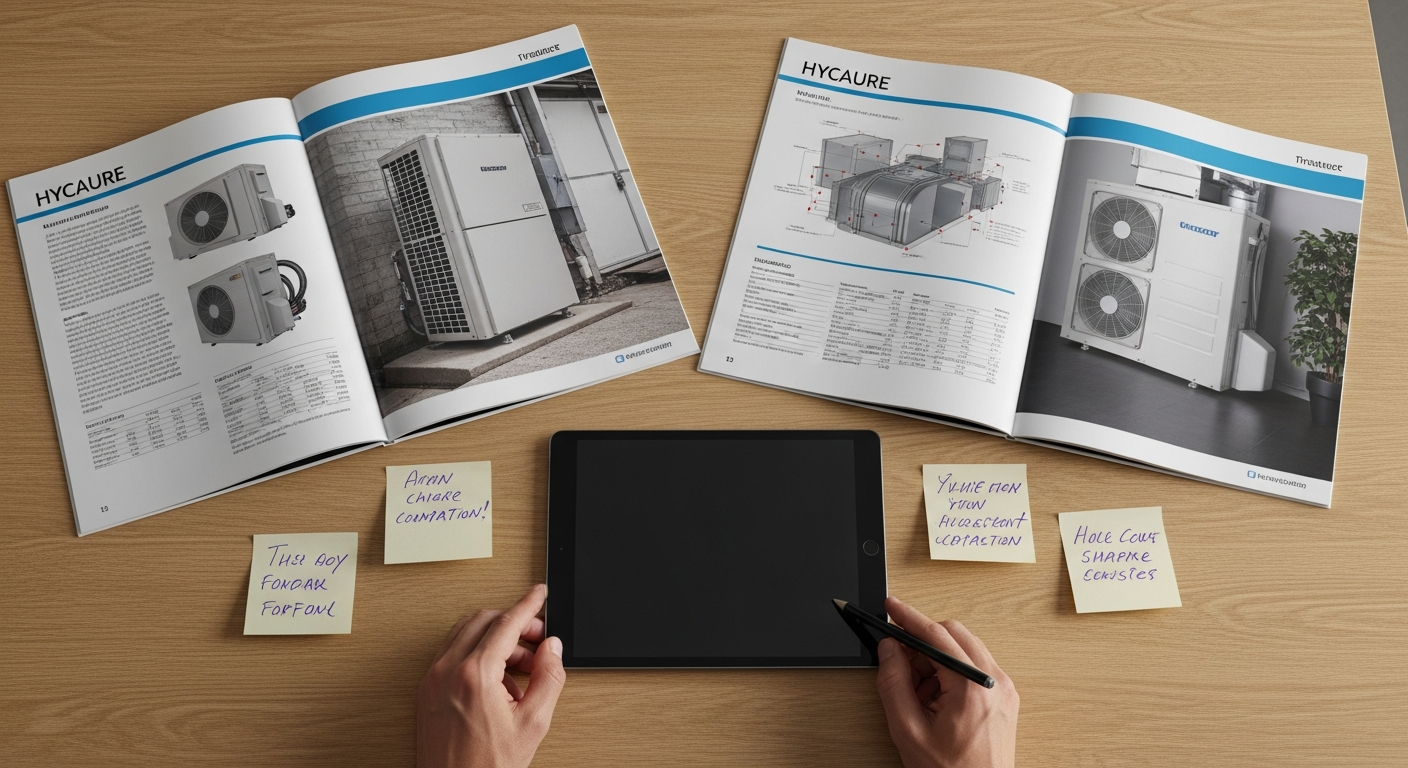
Always Verify Before You Hire
The best defence against HVAC scams is a systematic approach: get multiple quotes, verify licenses, and use objective tools to check pricing and sizing.
What Matters Most
- Get at least 3 written quotes and use the quote checker
- Never agree to immediate, high-pressure replacements
- Use the BTU calculator to verify sizing recommendations
- Check for license and insurance before the technician arrives
- Lowball tune-up offers are often bait for unnecessary repairs
Strengths
- Saves time by flagging common scams upfront
- Empowers homeowners with pricing benchmarks
- Tools and checklists make it easy to compare contractors
- Covers region-specific scam patterns
Weaknesses
- Cost tools give estimate ranges, not exact prices
- Requires homeowner initiative to research and ask questions
- Some scam tactics evolve and may not be fully covered
Common HVAC Scam Indicators vs. Legitimate Practices
| Scam Tactic | What It Looks Like | How a Legit Pro Works |
|---|---|---|
| Bait-and-switch tune-up | Super low price, then ‘discovers’ emergency repairs | Transparent pricing, documented findings, no sudden upsells |
| Cracked heat exchanger scare | Immediate replacement demanded, no visual proof | Shows crack with scope, gives cost/option breakdown, no pressure |
| Oversizing equipment | Recommends unit obviously too large for home | Runs load calculation, matches to home specs, explains why |
| Part swapping | Replaces costly part when simple fix exists | Tests and shows failed component, provides old part |
| Annual refrigerant top-off | Adds refrigerant every year as preventative | Finds and fixes leak, only adds after repair |
Quick Answer: How to Spot an HVAC Scam
Click to see the 5 fastest ways to spot a scam
- Prices too low to be real. A $29 tune-up often leads to “emergency” repairs.
- Immediate-replacement pressure. Any pro who says you must decide today is a red flag.
- No written diagnostic. You can’t verify what you can’t see. Always ask for a photo or measurement.
- R-22 ruse. Some claim your old refrigerant is “illegal” and you must replace the entire system.
- License evasion. A legit company’s license number is on every vehicle, card, and estimate.
Introduction: Why HVAC Scams Warrant Your Attention
Your HVAC system is one of the biggest investments in your home, and scam artists know it. Every year, homeowners lose thousands of dollars to fake repairs, oversized replacements, and “ghost” technicians. This guide gives you the exact red flags, decision tools, and checklists to protect yourself—no technical expertise required. From the infamous $29 tune-up bait to the cracked heat exchanger scare, you’ll learn how to identify the worst scams before you sign anything. Use our free cost estimator, quote checker, and contractor vetting checklist to make confident, informed hiring decisions.
Scam Pattern: What It Looks Like vs. What a Legit Pro Does
| Scam Type | Typical Pitch | Legitimate Practice |
|---|---|---|
| Bait-and-switch tune-up | “$29 system check” then discovers dangerous cracks, leaks, or imminent failure | A maintenance visit starts at $80–$250; any findings are documented with photos and measurements. |
| Cracked heat exchanger | Claims “fatal CO leak,” won’t show the crack, insists on immediate furnace replacement | A pro shows the crack with a scope or CO detector reading, discusses repair options if available, and never pressures overnight decisions. |
| Oversizing equipment | Recommends a much larger AC or furnace than needed, often citing “better cooling/heating” | Uses Manual J load calculation; you can verify with our BTU calculator. Bigger isn’t better—it leads to short cycling and humidity problems. |
| Part swapping | Swaps out a functioning compressor or blower motor while only a capacitor or contactor is faulty | Gives a specific test result (e.g., capacitor microfarad reading) and shows the failed part. Always ask to see the test. |
| Refrigerant “top-off” | Adds refrigerant every year, claiming it’s normal maintenance; or charges for “recycled” refrigerant at full price | AC systems are sealed. Low refrigerant means a leak that must be located and repaired. Annual top-offs are a scam. |
Safety Boundaries: What You Can Check Yourself (and What Pro-Only)
You can safely: replace air filters, clean debris from outdoor unit fins with low-pressure water, check thermostat settings, and inspect ductwork for tears. Never attempt to handle refrigerant, test capacitors, open electrical panels, or inspect heat exchangers. These tasks require EPA certification, high-voltage training, and specialized tools.
Use Free Tools to Verify Pricing and Sizing
Before hiring, get a second opinion with our online tools:
- HVAC Cost Estimator: See typical price ranges for repairs and replacements in your area.
- Quote Checker: Upload or enter details from a written estimate to see if it falls within a fair band.
- BTU Calculator: Rough-check sizing recommendations. If a contractor suggests a 5-ton unit for a 1,500 sq ft home, something is off.
- System Age Decoder: Decode serial numbers to confirm system age—some scammers lie about equipment being older than it is.
Decision Rules: When to Walk Away
Apply these concrete thresholds:
- If you get only one quote → always get two more. Use our guide to getting multiple quotes.
- If the diagnosis takes less than 10 minutes for a “major” problem → demand a second opinion. An electrical test alone takes time.
- If the repair estimate exceeds 50% of the cost of a new unit AND the system is over 10 years old → run the Repair or Replace Calculator before committing.
- If the technician can’t produce a license number or insurance certificate upon request → refuse service.
Contractor Checklist: Questions to Ask Before You Approve
- “Are you licensed in this state? May I see the license number now?” (Verify at your state’s licensing board website.)
- “Will you provide photos or a video of the failed part and the test reading?”
- “What is the exact part number and labor breakdown on the estimate?”
- “Is this repair covered under warranty, and what will that cost me?”
- “Can you explain why this size unit is right for my home?” (Compare to your own BTU calculator result.)
Local Scam Patterns: Hot, Cold, Coastal & Older Homes
Scammers tailor their pitch to your climate and home type:
- Hot/Dry (e.g., Phoenix): Oversizing ACs is rampant. A unit too big cools fast but leaves humidity, leading to mold. Use our Phoenix AC repair directory for pre-screened pros.
- Cold (e.g., Chicago): The cracked heat exchanger scare is most common in winter. Legit technicians will show you a scope image. See trusted Chicago heating contractors.
- Humid (e.g., Southeast): Watch for “mold in ducts” scams, where they scare you into unnecessary duct cleaning or replacement.
- Older Homes: Some contractors use asbestos or old wiring as a scare tactic to upsell whole-house rewiring or remediation. Always get a second opinion from a specialist.
How We Form Our Cost Estimates and Recommendations
Our editorial range is based on aggregated industry labor-rate data, manufacturer part-price averages, and surveyed contractor invoices across 50 U.S. markets. Cost guidance reflects typical residential work; exact prices fluctuate with region, season, and system specifics. Always treat our numbers as editorial estimate ranges, not guaranteed quotes.
Frequently Asked Questions
1. Can I trust a contractor who offers a $49 tune-up?
Maybe, but be cautious. Many reputable companies offer seasonal specials, but the average maintenance visit costs $80–$250. Ask upfront what is included and whether they will try to upsell. If the tech “discovers” major issues within minutes, get a second opinion.
2. What is a “cracked heat exchanger” scam?
The technician claims your furnace heat exchanger is cracked and leaking carbon monoxide, demanding immediate replacement. A real pro will show you the crack, often using a borescope camera, and will give you time to decide. If they refuse to show evidence, walk away.
3. How can I check if my HVAC contractor is licensed?
Ask for their state license number and verify it on your state’s licensing board website. Also check for license verification tips and insurance coverage. A reputable company will have this information readily available.
4. Are annual AC refrigerant “top-offs” normal?
No. A properly sealed AC system never needs refrigerant added. If it’s low, there’s a leak. A technician who simply adds refrigerant without finding and fixing the leak is either incompetent or scamming you. Only a pro with EPA certification can handle refrigerant; do not attempt it yourself.
5. How do I know if my system really needs replacing?
Use our Repair or Replace Calculator. As a rule of thumb, if the repair exceeds 50% of the cost of a new system and the unit is over 10 years old, replacement often makes sense. But always verify the diagnosis independently.
Methodology
HVACDatabase estimates combine common contractor price patterns, service-category pricing ranges, equipment complexity, urgency, regional labor variation, and known HVAC safety boundaries. Actual prices vary by city, brand, system size, access, warranty status, permit requirements, and whether the visit discovers ductwork, electrical, refrigerant, gas, or drainage issues. Use these numbers to sanity-check quotes, not as a guaranteed price.
Related articles
Connect this page to adjacent guides so readers keep moving deeper into the topic cluster.
How to Implement a Whole Home Energy Management System
Integrate smart tech and HVAC controls to cut energy waste. This guide shows how to audit, upgrade, and automate your home's energy use, with real savings estimates.

How to Set Up Thermostat Geofencing
Set up thermostat geofencing to automatically adjust home temperature as you come and go. Save energy, extend equipment life, and never return to an uncomfortable house. Get our quick-start guide now.
How to Troubleshoot Smart Thermostat WiFi Issues
Your smart thermostat offline? Most WiFi drops can be fixed with power checks, router adjustments, and simple restarts. Follow our step-by-step guide to regain remote control and energy savings.