How to Use Your HVAC System to Reduce Allergies
Optimize your HVAC for allergy relief with MERV filters, humidity targets, and fan settings. Practical steps, cost estimates, and pro guidance.
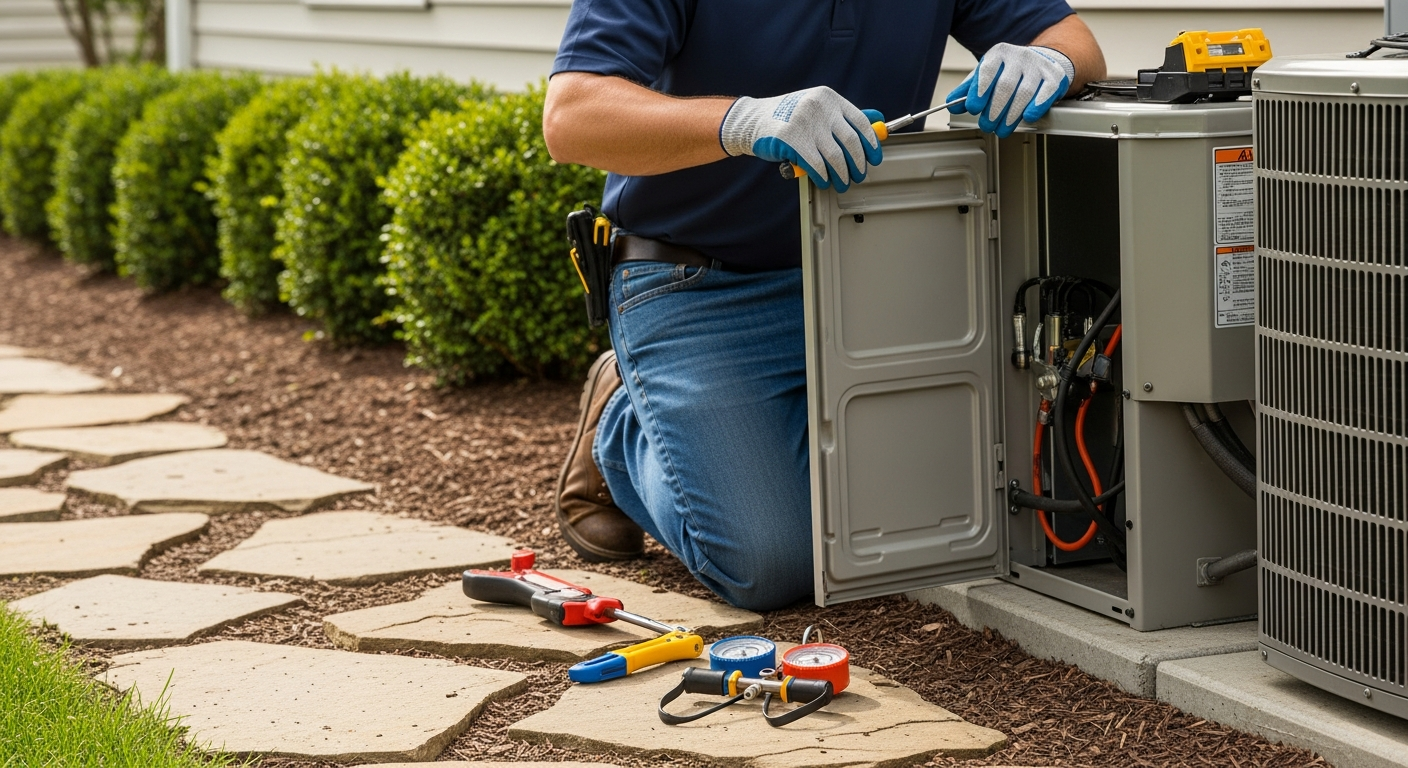
Seasonal allergies don’t just come from outside. Your HVAC system can either be a circulation machine for dust, pollen, and mold—or your strongest defense. With the right filter, humidity balance, and simple operational tweaks, you can turn it into a whole‑home air purifier. This guide gives you concrete steps, cost estimates, and decision rules to breathe easier without guesswork.
Quick Answer
Your HVAC can capture most airborne allergens by running a MERV 11–13 filter, keeping indoor humidity 30–50%, and using the fan‘s "On" mode during allergy season. Seal duct leaks to stop attic dust, and schedule a maintenance visit annually (typical cost $80–250). For persistent symptoms, a whole‑home purifier or UV light can reduce biological contaminants, installed by a pro for $500–$2,500 depending on system size.
1. Start with Filtration: Your Air Filter Matters
Filters are the primary barrier. Standard fiberglass filters (MERV 1‑4) only protect equipment. For allergies, move to MERV 11‑13. These trap mold spores, pollen, and pet dander without over‑restricting airflow on most systems. Check filter monthly; replace at least every 90 days—more often if you have pets or live near pollen sources.
| Filter Type | MERV Range | Captures | Use When |
|---|---|---|---|
| Fiberglass | 1‑4 | Large dust, fibers | Basic equipment protection only |
| Pleated (mid‑grade) | 5‑8 | Dust mites, pollen fragments | Moderate allergy symptoms |
| Pleated (high‑efficiency) | 11‑13 | Mold spores, pet dander, fine dust | Allergy/ asthma relief |
| HEPA or after‑market additions | 14‑16 | Smoke, bacteria, virus‑sized particles | Severe respiratory conditions (may require system modifications) |
Caution: MERV 14+ filters can be too restrictive for standard residential blowers, causing coil freezing or motor burnout. Let a pro verify static pressure before upgrading above MERV 13. Learn safe filter replacement.
2. Control Humidity: The 30‑50% Goldilocks Zone
Dust mites thrive above 60% humidity; below 30% dries nasal membranes and makes you more reactive. Use a $10‑$30 hygrometer to monitor rooms. In summer, your AC dehumidifies; if it can’t keep up, a whole‑home dehumidifier (installed $1,200‑$3,000) or portable unit ($150‑$400) may be needed. In dry climates or winter, a whole‑home humidifier ($400‑$1,200 installed) helps. Run bathroom exhaust fans during showers and avoid hanging laundry indoors on already‑damp days.
3. Fan Strategy: “On” During High‑Pollen Days
Thermostat fan "Auto" runs only with heating/cooling, letting allergens settle. Switching to "On" circulates air continuously through the filter. If you worry about electricity, ECM motors (common in newer systems) use 60‑80% less energy on continuous low speed. Check your system age to see if you might already have one. To cut costs further, run the fan only during peak allergy hours (e.g., 6‑10 AM) using a programmable thermostat.
4. Ductwork: Seal Leaks, Stop Dust
Leaky return ducts pull unfiltered attic or crawlspace air into your home. Visual checks: look for disconnected joints, dust streaks near registers, or musty smells when the blower starts. Duct sealing techniques (mastic or metal tape, not cloth duct tape) also reduce noise and energy loss. Major cleaning or sealing should be done by a contractor ($300‑$1,000 typical) with proper containment so debris doesn't blow through the house.
5. Advanced Purification: UV Lights & Ionizers
UV‑C lights installed at the evaporator coil ($200‑$600 installed) kill mold and bacteria that grow on wet coils. Bipolar ionization units ($500‑$1,800) charge particles so they clump and get caught by the filter. Studies show mixed results; they work best combined with good filtration. These are pro‑install only: units involve 120V or 240V wiring and must not be touched by homeowners.
Decision Rules: Maintain, Upgrade, or Call a Pro
- Symptoms when indoors only? Check your filter first. If it’s clean and dust continues, inspect duct leaks.
- Humidity above 60% despite AC running? Your system may be oversized or undercharged. A contractor can measure latent capacity. Expect a diagnostic visit ($80‑$200).
- Filter gets dirty in under 30 days? Severe leak in return ducts or extremely dusty environment. Seal leaks, consider a home air quality score assessment.
- Musty smell when air runs? Likely mold on coil or in ducts. UV‑C light or coil cleaning needed. Don’t ignore it—spores circulate.
- Allergy symptoms persist after filter upgrade and humidity control? Time for a professional IAQ evaluation. Find a contractor with HVACDatabase search.
Safety Boundaries
Homeowner can safely:
- Check and replace disposable filters.
- Wipe supply registers and return grilles with a damp cloth.
- Set thermostat fan modes and temperature.
- Inspect visible ductwork for obvious gaps (do not enter tight attic spaces without professional safety assessment).
- Run a hygrometer and adjust portable humidifier/dehumidifier settings.
- Clear debris from around the outdoor condenser unit (after disconnecting power at the electrical disconnect box, if visible and accessible).
Professional only (due to risk of injury, equipment damage, or code violation):
- Handling refrigerant or checking refrigerant charge.
- Opening the furnace or air handler cabinet to access the blower, motor, control board, or coils.
- Installing or replacing UV‑C lights, ionizers, or any hardwired purification device.
- Repairing or replacing capacitors, contactors, compressors, or gas valves.
- Modifying ductwork, sealing large leaks inside walls/ceilings, or cleaning the entire duct system.
Tools & Calculators to Guide Your Decision
- Air Quality Score: Identify factors lowering your indoor air quality.
- Repair or Replace Calculator: If your system is aging and inefficient, upgrading might solve air quality issues.
- HVAC Cost Estimator: Get editorial cost ranges for filtration upgrades or installation of dehumidifiers/UV lights.
- BTU Calculator: Proper sizing prevents humidity problems; oversized units short‑cycle, leaving air clammy.
Contractor Checklist: Questions to Ask Before Work
When hiring a pro for IAQ improvements, use these questions:
- “Can you test static pressure before recommending a high‑MERV filter? I want to avoid blower strain.”
- “Will the UV light or ionizer produce ozone? I prefer a unit certified to UL 2998 for zero ozone.”
- “What’s the annual maintenance cost for this purification system, and how often do bulbs/replacements need changing?”
- “How will you verify duct leakage is sealed? Do you use a duct blaster test or visual inspection?”
- “Can you provide before‑and‑after pressure or particle count measurements to prove the improvement?”
- “Are you licensed and insured for this work? Do you have NATE or IAQA certifications?” (Request to see credentials.)
Local Context Considerations
- Hot‑humid climates (Southeast US): Prioritize dehumidification. An oversized AC makes air cold but clammy. Ensure the system’s latent capacity matches the house load. Consider a dedicated dehumidifier.
- Cold climates (Midwest/ Northeast): Winter dryness drives need for humidification. Whole‑home steam humidifiers keep wood floors from cracking and nasal passages moist without over‑wetting. But avoid over‑humidifying to prevent window condensation and mold.
- Coastal areas: Salt air corrodes coils; UV lights can help reduce organic growth on damp coils. Ensure outdoor units have coastal coatings or are replaced more frequently. Check for duct leaks exacerbated by humid, salty air.
- Wildfire‑prone or high‑pollen zones: MERV 13 with a deep‑pleat filter box may be necessary. Run fan continuously with windows closed during smoke events. Find local contractors experienced with these conditions.
- Older homes: Duct systems often unbalanced and leaky. Prioritize duct sealing and possibly adding returns to each room. Wall‑stacked ducts may need cleaning before upgrading filters.
Frequently Asked Questions
Can a better air filter really reduce my allergy symptoms?
Yes, many studies link indoor particulate reduction to fewer symptoms. A MERV 11‑13 filter captures the most common triggers: dust mite debris, pollen, and mold spores. Combined with humidity control, most households see noticeable improvement.
How often should I replace my filter if I have pets?
Every 30‑60 days. Pet dander and hair quickly load filters. Check it monthly: if you see a solid layer of dust, replace even sooner. Write the date on the filter frame.
Will running the fan 24/7 wear out my blower motor?
Modern ECM motors are designed for continuous operation and use very little energy at low speed. Older PSC motors may draw more power and can wear faster, but the difference is usually less than $10/month. If your motor is older, consider running the fan only during peak pollen hours via a programmable thermostat.
Do UV lights produce harmful ozone?
UV‑C lamps rated for HVAC use generally produce negligible ozone if installed correctly and shielded. However, always choose units certified to UL 2998 for zero ozone emissions. Avoid air‑purification devices that intentionally generate ozone as a cleaning method.
What’s the difference between a whole‑home dehumidifier and a portable one?
A portable dehumidifier covers one area (usually up to 1,000 sq ft), needs manual emptying or a drain hose, and costs $150‑$400. A whole‑home unit integrates with your ductwork, handles the entire house, drains automatically, and costs $1,200‑$3,000 installed. If humidity is a whole‑home problem, the integrated solution is more effective and low‑maintenance.
Related articles
Explore related maintenance, equipment, and hiring questions.

How to check an HVAC contractor before hiring
Use a documented shortlist: business identity, applicable credentials, job experience, a written scope, and a clear handover.

How to compare HVAC quotes using the same scope
Use an itemized comparison worksheet to separate equipment, labor, exclusions, allowances, and warranty terms before choosing a contractor.

Nest Learning Thermostat (4th gen) vs ecobee Premium
Both models offer remote room sensors. Compare the exact generation, wiring compatibility, controls, and installed quote before choosing.