Signs Your HVAC Issue Is an Emergency
Not every HVAC issue is an emergency. Learn the critical warning signs that require immediate professional attention to protect your home and family.
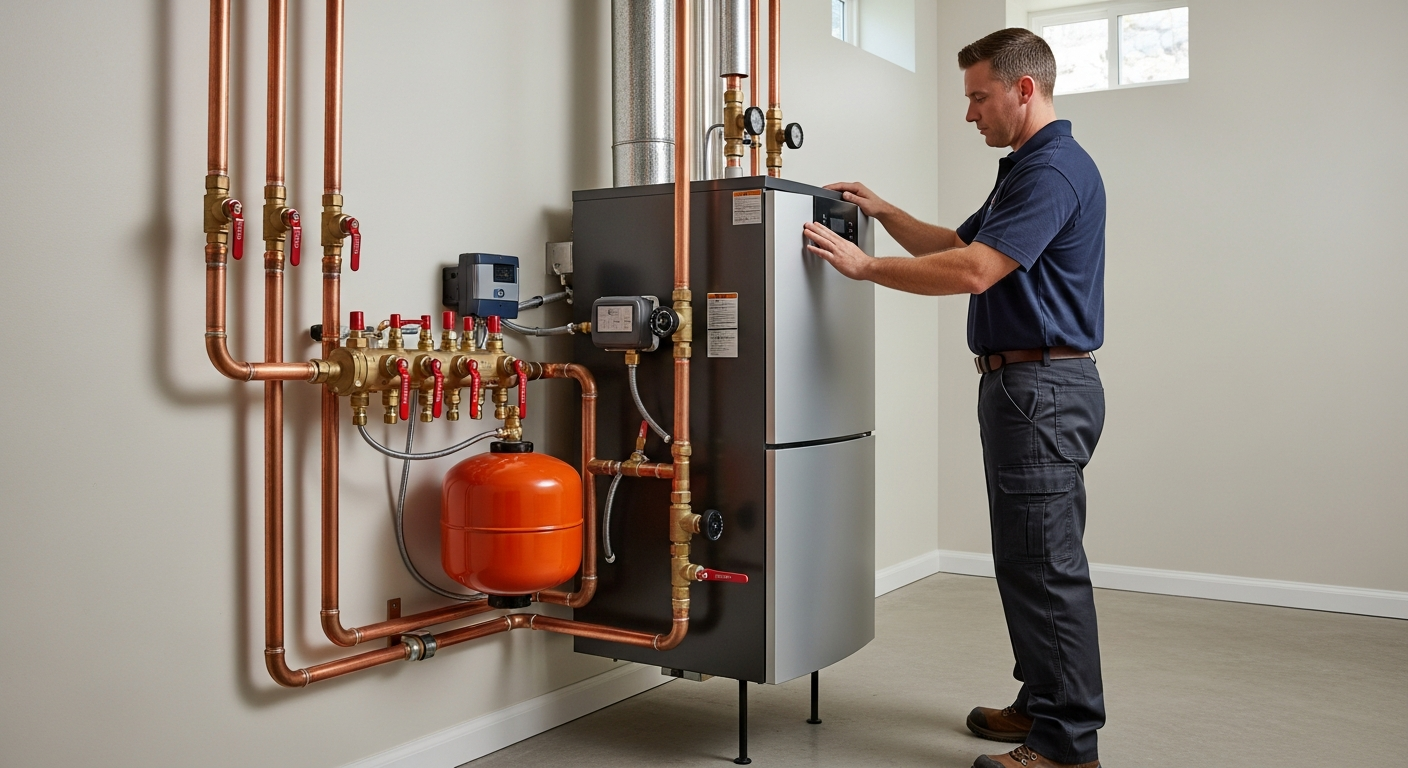
Know When to Call
For life-safety or major property damage risks, immediate professional help is essential; for comfort-only issues, you can often wait for a standard appointment to save money.
What Matters Most
- Gas smell or CO alarm = evacuate and call 911.
- Shut off system if burning smell or loud grinding.
- Use tools to estimate costs and find vetted pros.
- Emergency calls are expensive; prevent them with maintenance.
- Regional factors like extreme heat or cold raise urgency.
Strengths
- Clear thresholds prevent unnecessary emergency callouts.
- Saves money by avoiding premium fees for non-urgent fixes.
- Protects safety by instructing immediate actions for hazards.
- Connects homeowners to pre-screened contractors.
- Provides cost transparency tools.
Weaknesses
- Homeowners may misinterpret symptoms and delay needed help.
- Cost tools are estimates; final bills may be higher.
- Some emergencies require immediate action that can't wait for comparison shopping.
Decision Summary
| Scenario | Usually do | Why |
|---|---|---|
| Gas odor/CO alarm | Evacuate, call 911 | Life-threatening |
| No heat in freezing weather | Call emergency HVAC | Prevent burst pipes |
| No AC in extreme heat (vulnerable) | Call emergency HVAC | Health risk |
| Burning smell | Shut off, call emergency | Fire hazard |
| Loud banging/grinding | Shut off, call urgent repair | Prevent major damage |
| Minor issues | Schedule standard appointment | Save on emergency fees |
When your heating or cooling fails, knowing whether to call an emergency technician or wait for a standard appointment can save you money and protect your home. Some problems like a gas leak or carbon monoxide alarm demand immediate action. Others, like a mildly warm room or a dripping condensate line, can often wait. This guide gives you clear, actionable thresholds for emergency HVAC calls, helps you stay safe, and shows how to find and vet a pro quickly.
Quick Answer
- Immediate danger: Evacuate for gas odor, CO alarm, or burning/electrical smell. Call 911 and then your utility company.
- No heat in freezing weather: Call emergency service to prevent burst pipes and water damage.
- No AC in extreme heat: Call emergency service if household includes vulnerable individuals (elderly, infants, medical conditions).
- Loud grinding/banging: Shut off system and call for urgent repair to prevent major damage.
- Rapid water leak near electrical: Shut off power and call immediately.
Emergency HVAC Symptoms & Actions
| Symptom | Risk Level | Immediate Action | Who to Call |
|---|---|---|---|
| Rotten eggs/sulfur smell | Life-threatening | Evacuate, don't touch electrical | 911 & utility company |
| CO detector alarm | Life-threatening | Evacuate, get fresh air | 911 then emergency HVAC |
| Burning/electrical smell | High | Shut off breaker, don't run | Emergency electrician/HVAC |
| No heat in sub-freezing | High (property) | Close water valves, drip faucets | Emergency HVAC |
| Loud scraping/grinding | Medium to high | Turn off system | Urgent HVAC repair |
| Water pooling near indoor unit | Medium | Mop up, place bucket | Same-day HVAC if near electrical |
Safety Boundaries: What Homeowners Can (and Cannot) Do
Safe Homeowner Checks
- Check and replace a dirty air filter.
- Ensure thermostat is set correctly and has fresh batteries.
- Inspect circuit breakers – you can safely reset a tripped breaker once if there’s no burning smell.
- Clear debris and obstructions around outdoor unit.
- Listen for unusual noises and note error codes.
Pro-Only Work – Do Not DIY
- Gas line repair or leak investigation.
- High-voltage electrical components (capacitors, contactors, circuit boards).
- Refrigerant handling or leak repair.
- Combustion chamber or heat exchanger inspection.
- Compressor or motor replacement.
Attempting any of the above can cause injury, fire, or system damage. Always hire a vetted HVAC contractor.
Estimate Your Emergency Costs
Emergency HVAC calls are pricier than standard visits. Use our Emergency Cost Tool to see typical range in your area. For broader planning, try the Repair or Replace Calculator if your system is aging.
Editorial estimate ranges: Diagnostic visit $80–$200 (after-hours may be higher), common AC repair $150–$650 for minor electrical, $500–$1,500 for motor/refrigerant work, $1,500–$4,000+ for compressor. Prices vary by system size, brand, region, season, and urgency.
Emergency Decision Rules
Answer these questions sequentially:
- Is there a gas smell or CO alarm? If yes → evacuate immediately, do not operate anything electrical. Call 911 from outside.
- Is there a burning electrical smell or visible smoke? If yes → shut off the HVAC breaker at the main panel if safe to do so, and call emergency service.
- Is the system making loud banging, screeching, or grinding? If yes → turn off the system to prevent further damage and call for urgent repair.
- Is the indoor temperature life-threatening? If heating is dead and outside temp is below 20°F, or AC is dead and inside temp exceeds 90°F with vulnerable occupants, call emergency service.
- Is there rapid water leaking near electronics or the air handler? If yes → shut off power to the unit via breaker and call for same-day service.
- Otherwise, if you have a mild issue like a weak airflow or a room not cooling, you can likely schedule a standard appointment through HVACDatabase search.
Emergency Contractor Checklist
When an emergency technician arrives, ask these questions before they begin work:
- Are you licensed, bonded, and insured in my state? (Request proof.)
- What is your emergency service fee, and how is the repair estimate structured?
- Will you provide a written estimate before starting the repair?
- Do you have experience with my system’s brand and type?
- Is the repair covered under warranty? What warranty do you offer on parts and labor?
- Can you help me apply for available rebates if equipment replacement is needed?
For a pre-vetted list of contractors, use our Contractor Comparison tool.
Regional Emergency Considerations
Hot Climates (Phoenix, Las Vegas, etc.)
In summer, a broken AC can become a health emergency, especially for seniors and children. Consider portable cooling options while awaiting repair – see How to Stay Cool When Your AC Breaks Down.
Cold Climates (Minneapolis, Chicago, etc.)
No heat during a cold snap risks frozen pipes. If your furnace fails, learn How to Keep Pipes from Freezing When Your Heater Fails and consider Using a Portable Heater Safely.
Coastal or Humid Areas
High humidity can cause mold if AC fails. Corrosion from salt air may accelerate component failure. Regular maintenance can help – find contractors experienced with coastal equipment.
Older Homes
Outdated wiring may pose fire risks with modern HVAC systems. If you have frequent trips or flickering lights, have an electrician assess the circuit.
How Our Recommendations Are Formed
HVACDatabase editorial estimates draw from national labor and parts data, manufacturer bulletins, and contractor surveys. Actual costs vary by market, urgency, system specifics, and permitting. Tools like Cost Estimator and Quote Checker help you benchmark local pricing. Always get multiple quotes for non-emergency work.
Frequently Asked Questions
1. What is considered an HVAC emergency?
Any situation that endangers life (gas leak, CO), risks significant property damage (freezing pipes, fire hazard), or makes the home uninhabitable for vulnerable residents. See the decision table above.
2. How much does an emergency HVAC repair cost?
Emergency diagnostic visits often range from $150–$300. Repairs add parts and labor, typically $200–$2,000+ depending on the issue. Use the Emergency Cost Tool for estimates.
3. What should I do if my carbon monoxide detector goes off?
Evacuate everyone immediately, call 911, and do not re-enter until emergency responders give the all-clear. Then, contact an HVAC pro to inspect your furnace and vents.
4. Can I prevent HVAC emergencies?
Yes. Schedule annual maintenance, change filters regularly, install smart thermostats with diagnostic alerts, and act on minor issues before they escalate. Explore maintenance plans.
5. Is no air conditioning an emergency in summer?
It can be for at-risk groups, or when indoor temperatures exceed 90°F. Otherwise, it’s often a comfort issue. See our guide How to Stay Cool When Your AC Breaks Down for temporary solutions.
Need an emergency contractor now? Browse our Emergency HVAC Directory for verified local pros.
Methodology
HVACDatabase estimates combine common contractor price patterns, service-category pricing ranges, equipment complexity, urgency, regional labor variation, and known HVAC safety boundaries. Actual prices vary by city, brand, system size, access, warranty status, permit requirements, and whether the visit discovers ductwork, electrical, refrigerant, gas, or drainage issues. Use these numbers to sanity-check quotes, not as a guaranteed price.
Related articles
Connect this page to adjacent guides so readers keep moving deeper into the topic cluster.

Tips for Choosing a Smart Thermostat for a Heat Pump
Learn which smart thermostat features prevent expensive auxiliary heat mistakes, how to verify compatibility, and when to call a pro.

Understanding C Wire Adapters for Smart Thermostats
Missing the C wire for your smart thermostat? C wire adapters solve power issues without pulling new wiring. Compare types, costs, and installation options.

Best Smart Thermostats for Multi Zone Homes
Discover which smart thermostats deliver accurate zoning, remote sensors, and energy savings for homes with multiple HVAC zones. Our guide helps you pick the right model and avoid costly compatibility mistakes.