Understanding HVAC Equipment Financing Options
Replacing an HVAC system is expensive. Compare financing strategies—from promotional dealer loans to utility rebates—so you can fund a reliable system without overpaying.
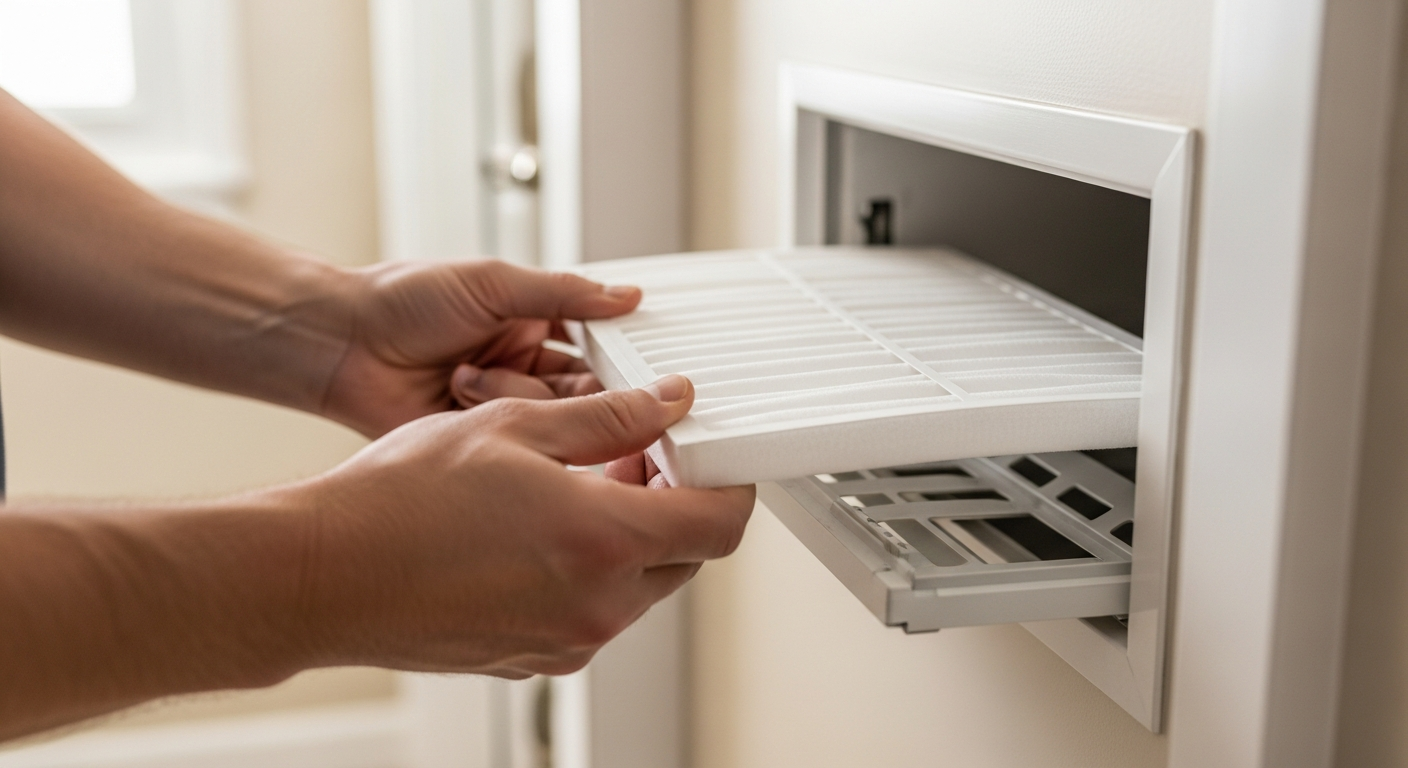
Replacing an HVAC system costs $5,000–$15,000 on average, but few homeowners pay cash. The financing route you pick affects total cost more than the equipment brand. This guide helps you compare options—from dealer promotions to home equity lines—so you don't overpay for the loan or end up with a system that costs more to run.
Quick Answer
The cheapest way to finance an efficient HVAC system usually combines a utility rebate, a federal tax credit, and a fixed-rate home equity line or personal loan. Dealer-offered promotional plans can work if you pay within the 0% window, but read the fine print—deferred interest and fees can erase savings. Always run the numbers on total interest, not just monthly payment.
Financing Options at a Glance
| Option | Best For | Typical Rate | Risk | More Info |
|---|---|---|---|---|
| Manufacturer/Dealer Financing | Fast approval, promotional offers | 0% intro then 15–29% APR | Deferred interest, hidden fees | Check terms on HVACDatabase contractor profiles |
| Home Equity Loan / HELOC | Large projects, tax-deductible interest | 5–9% fixed or variable | Home as collateral | Estimate project cost |
| Utility On-Bill Financing | Energy-efficiency upgrades | 0–5% often subsidized | Limited to participating contractors | Find rebates near you |
| Personal Loan | Good credit, no home equity needed | 6–18% fixed | Higher rate than secured loans | Compare quotes first |
| Credit Card 0% Intro | Small balance, definite payoff plan | 0% for 12–18 months | High revert rate, easy to overspend | Only if you can pay within intro period |
| Federal Tax Credits & Rebates | High-efficiency heat pumps, ACs, furnaces | Up to 30% credit | Must meet efficiency minimums | Check SEER2/EER2 requirements |
How to Pick the Right Financing (Decision Tree)
- Do you have at least 20% home equity? If yes and you're doing other renovations, a HELOC gives flexibility and low rates. If no or you want a simpler option, go to 2.
- Is your credit score above 670? If yes, compare dealer promotional financing (0% for 24 months) against a fixed-rate personal loan from your bank. Calculate total interest and fees. If credit is below 670, focus on utility programs or manufacturer second-look financing; expect higher rates.
- Is the HVAC replacement urgent? If no, wait for seasonal dealer promotions (spring/fall) and stack utility rebates. If urgent, prioritize fast approval but still get multiple quotes through HVACDatabase to avoid pressure tactics.
- Are you installing a qualifying high-efficiency system? Always check efficiency criteria and file for tax credits and rebates before finalizing your loan amount—they reduce the net cost.
- Can you repay the loan within the promotional period? If yes, 0% dealer financing may work. If not, avoid deferred-interest plans; choose a fixed-rate product.
Contractor Questions: Financing Edition
Before signing, ask every contractor these questions. A trustworthy answer protects your wallet:
- “What are the exact APR, loan term, and total finance charges—not just the monthly payment?”
- “Are there any origination fees, prepayment penalties, or late fees?”
- “Do you handle rebate paperwork and tax credit documentation?”
- “Is the financing secured by a lien on my home?”
- “What happens if the project cost increases—can the loan be adjusted without new fees?”
- “Can you provide a written quote with equipment model numbers so I can verify efficiency ratings?” (Check them on specs resource.)
Local and Regional Factors
Hot climates (Phoenix, Las Vegas, Miami): High-SEER ACs and heat pumps save hundreds yearly; utility rebates often favor 16 SEER2+. Use local contractor listings to find specialists familiar with desert or coastal corrosion issues.
Cold climates (Minneapolis, Chicago, Boston): Cold-climate heat pumps now qualify for significant federal tax credits. Pair with a high-efficiency furnace for dual-fuel rebates. See Chicago heating pros for example.
Older homes: You may need electrical panel upgrades ($1,500–$4,000) or duct modifications—factor these into the loan amount. Some financing programs allow bundling.
Use Our Tools Before You Commit
- HVAC Cost Estimator: See what others pay in your region—don't let the financing hide an inflated installation price.
- Rebate Finder: Discover local utility and state incentives before you lock in the loan amount.
- Repair vs. Replace Calculator: If your old system still runs, find out whether financing a new one makes financial sense now.
- BTU Calculator: Right-sizing prevents the most common financing regret—paying interest on a unit too large or small.
Maintenance Costs and Long-Term Value
Financing covers the installation, but maintenance keeps the warranty valid and prevents breakdowns you’re still paying off. Budget $150–$300 per year for professional tune-ups. For pet owners, the right filters prevent $500+ repair bills—see HVAC filters for pet owners. Also register your equipment warranty immediately to avoid claim denial; instructions at warranty registration guide.
Safety Boundaries: Avoiding Financing Pitfalls
- Never pay the full installation amount upfront. Reputable contractors collect a deposit (typically 10–30%) and final payment upon completion.
- Verify the contractor’s license, insurance, and bond. Use HVACDatabase Search and check state licensing boards. Unlicensed contractors often push predatory in-house financing.
- Read the loan agreement yourself. Do not rely on the contractor’s summary. Look for “deferred interest,” “prepayment penalty,” and “variable rate” clauses.
- Avoid high-pressure sales. A reputable dealer will let you compare the cash price with the financed price side by side. If they won’t disclose both, walk away.
- No DIY on HVAC installation. Your financing may require professional installation by a licensed contractor. DIY work can void warranties and, critically, expose you to dangerous high-voltage and refrigerant risks. This article focuses on financing decisions, not repair steps.
Methodology: How We Estimate Costs and Savings
All cost ranges in this article are editorial estimates based on national surveys, HVACDatabase user-reported data, and published contractor pricing (2024–2025). Actual costs vary by region, season, equipment brand, and home specifics. Rebate amounts and tax credit eligibility follow Department of Energy and IRS guidelines as of the article date—check current rules with the relevant agency. We link to official program resources where possible; however, always confirm details with the program administrator and a qualified tax professional before making financial decisions.
Frequently Asked Questions
Can I finance an HVAC system with bad credit?
Yes, but options are limited and rates higher. Dealer financing may approve subprime borrowers; some manufacturers offer second-look programs. Utility on-bill financing often has no credit check. Expect APRs from 12% to 25%+. Start by checking rebates to lower the amount you must borrow.
Do I pay taxes on utility rebates?
Generally no, but if the rebate is a purchase price reduction, the IRS requires you to subtract it from the system’s cost when calculating a federal tax credit. Example: $10,000 system minus $1,000 rebate = $9,000 basis for 30% credit ($2,700 credit). Consult a tax professional.
What’s the catch with 0% APR dealer financing?
Often it’s deferred interest: if you miss one payment or don’t pay the full balance by the promo end, you’ll owe all the interest calculated from day one—at rates that can exceed 25%. Also, dealers may build loan fees into the equipment price, so compare the cash price first.
Can I combine a tax credit with a utility rebate and financing?
Yes. Most programs allow combining. For a ducted heat pump that qualifies, you might get a $1,000 utility rebate and a 30% federal tax credit up to $2,000. Subtract the rebate from the installed cost, apply for the tax credit when filing, and finance the remainder through your chosen loan.
Should I finance through my contractor or get a loan on my own?
Get both options in writing. Contractor financing is convenient but may hide the true equipment cost and include higher fees. Securing your own loan forces the contractor to give you a clean cash price, making it easier to compare apples to apples. Use HVACDatabase Compare to see multiple bids.
Contractor Checklist
Before approving HVAC work, ask for a written scope rather than a one-line price.
- What failed, and what evidence did the technician use to diagnose it?
- Is the part or system still under manufacturer, labor, home warranty, or installer warranty?
- Does the price include diagnosis, parts, labor, taxes, disposal, permits, and return visits?
- Will any refrigerant, gas, combustion, electrical, or code-related work be handled by a qualified technician?
- For replacement quotes, did the contractor verify sizing, duct condition, electrical capacity, drain routing, and warranty registration?
- What happens if the repair does not solve the problem?
Related articles
Explore related maintenance, equipment, and hiring questions.
Nest Learning Thermostat (4th gen) vs ecobee Premium
Both models offer remote room sensors. Compare the exact generation, wiring compatibility, controls, and installed quote before choosing.
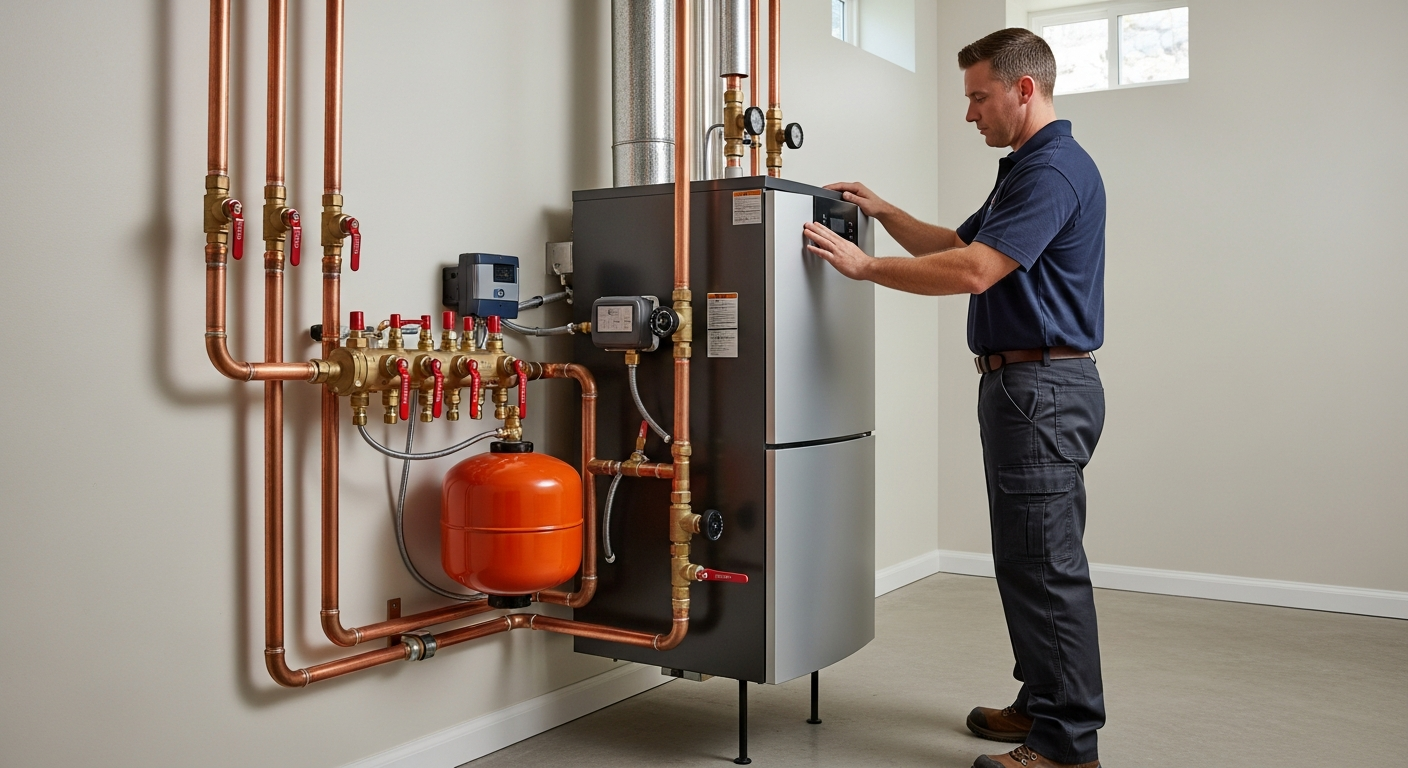
MERV 11 vs MERV 13: check filtration and equipment compatibility
Compare particle filtration, verify the filter your equipment supports, and use a buying checklist without assuming a universal health or energy saving.
How to check an HVAC contractor before hiring
Use a documented shortlist: business identity, applicable credentials, job experience, a written scope, and a clear handover.