AC Industry Shifts Toward Eco-Friendly Refrigerants
The AC industry is moving to R-32 and R-454B refrigerants with lower global warming impact. This guide helps you decide when to replace, how to save, and which systems to choose.
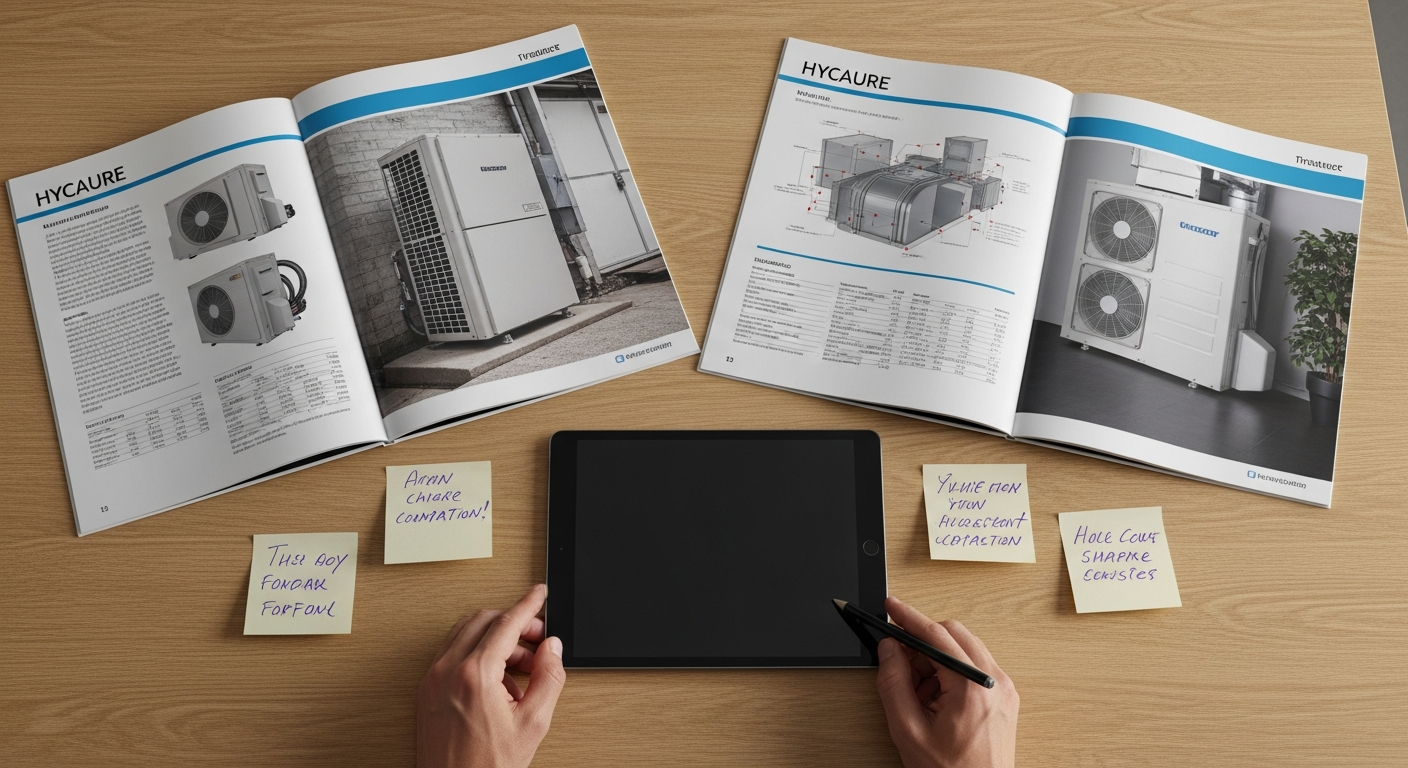
Plan your upgrade around refrigerant phase-downs
If your AC uses R-22 or early R-410A, start budgeting for a replacement within 2–5 years. New low-GWP systems offer 10–20% energy savings and may qualify for utility rebates, offsetting higher upfront costs.
What Matters Most
- No need to panic-replace a working AC, but costs will rise as old refrigerants become scarce.
- New R-32 and R-454B systems are 10–20% more efficient and have 60–70% lower GWP.
- Professional installation is critical due to different pressure and safety requirements.
- Combine with duct sealing and smart thermostats for maximum savings.
- Use the HVACDatabase cost estimator and rebate finder to budget accurately.
Strengths
- Lower monthly bills from improved efficiency
- Reduced environmental impact
- Future availability of refrigerant and parts
- Potential eligibility for local utility rebates
- Quieter and more precise comfort control
Weaknesses
- Higher initial equipment cost (15–25% more than comparable R-410A units)
- Retrofitting old systems is often impossible or cost-prohibitive
- Limited contractor experience with new refrigerants in some areas
- May require ductwork upgrades for optimal efficiency
Decision summary
| Scenario | Usually do | Why |
|---|---|---|
| AC over 10 years old, using R-22 | Replace unit now | R-22 is phased out; repairs are very costly; new system saves 30–50% energy. |
| AC using R-410A, under 8 years old, no leaks | Keep and maintain | R-410A is still available until 2029; wait for tech to mature and prices to drop. |
| R-410A system with major leak or compressor failure | Replace with low-GWP | Repair cost over $1,500 often better spent on a new, efficient unit. |
| Building a new home or doing a major remodel | Install low-GWP from start | Meets future codes, maximizes efficiency, and avoids stranded asset risk. |
Quick Answer: What the refrigerant shift means for your wallet and comfort
Homeowners don't need to replace a working air conditioner overnight. If your unit uses R-410A and is less than 8–10 years old with no leaks, keep it maintained. However, if it's older (R-22) or requires major repair, a new low-GWP system will deliver 10–20% energy savings and protect you from future refrigerant shortages. Use our tools to compare costs and find a qualified installer.
Why the industry is moving to low-GWP refrigerants
Traditional refrigerants like R-22 and R-410A have high Global Warming Potential (GWP) — a measure of how much heat they trap if released. As part of global efforts to curb climate change, new standards require a gradual transition to lower-GWP alternatives. The new frontrunners, R-32 and R-454B, offer 60–75% lower GWP while performing as well or better than their predecessors. This change not only benefits the environment but also opens the door to more efficient and quieter equipment.
Comparison: Old vs. New Refrigerants
| Feature | R-410A (Current) | R-32 / R-454B (New) |
|---|---|---|
| Global Warming Potential (GWP) | 2,088 | 675–466 |
| Efficiency (SEER2) | Up to 16–20 | Up to 20–24+ |
| System cost (installed) | $3,000–$6,000 | $3,500–$7,500 |
| Refrigerant cost per lb | $30–$60 | $15–$50 (projected) |
| Safety classification | A1 (non-flammable) | A2L (mildly flammable) |
| Phase-out status | New equipment after 2029 | Replacement for decades |
Cost ranges are editorial estimates based on national surveys; exact quotes vary by region and contractor.
Safety boundaries: What you can check and what a pro must handle
Homeowner-safe maintenance
- Replace air filters monthly during heavy use (how-to guide).
- Keep outdoor condenser coils clean and free of debris (cleaning steps).
- Ensure condensate drain is clear (drain pan maintenance).
- Seal visible duct leaks with mastic where accessible (summer prep checklist).
Pro-only tasks
- Refrigerant recovery, charging, or leak repair (requires EPA 608 certification).
- Compressor, capacitor, contactor, or control board replacement.
- Any work involving gas lines or high-voltage connections.
- Testing for refrigerant leaks using electronic detectors or nitrogen pressure.
- System retrofits (rarely recommended).
Always ask for proof of insurance and NATE or equivalent certification.
Decision rules: When to replace vs. repair
Use this simple logic when facing a repair or contemplating an upgrade:
- If your AC runs on R-22 (pre-2010 systems), plan to replace immediately or at next major failure.
- If your R-410A system is under 5 years old, repair unless the compressor fails.
- If the repair cost exceeds 50% of a new system price, replace.
- If annual maintenance costs exceed $300, consider replacement.
- If your system uses R-410A and is over 10 years old, budget for replacement within 2–3 years.
- If you live in a hot climate and your electric bills are rising, a high-SEER2 unit can pay back in 5–7 years.
Unsure? Use our Repair or Replace Calculator and System Age Decoder.
Tools to estimate your costs and savings
Accurate budgeting starts with good data. We offer free tools to help you decide:
- HVAC Cost Estimator: Get a personalized estimate for a new system installation in your area.
- Repair or Replace Calculator: Compare the long-term cost of fixing your current AC vs. upgrading.
- Rebate Finder: See if your utility or state offers incentives for high-efficiency AC or heat pump installations.
- BTU Calculator: Ensure your new system is properly sized — critical for comfort and efficiency.
Contractor checklist: 8 questions before you hire
- "Are you EPA 608 certified and experienced with R-32/R-454B systems?"
- "Will you perform a Manual J load calculation before sizing my equipment?"
- "Can you inspect and test my ductwork for leaks?"
- "What warranties come with the equipment and labor?"
- "Do you pull permits and arrange post-installation inspections?"
- "Can you provide a written quote with model numbers and AHRI matched system reference?"
- "Are you familiar with local rebate programs and can you assist with paperwork?"
- "What after-hours service and maintenance plans do you offer?"
Find pre-screened contractors on HVACDatabase.com and compare quotes.
Local climate considerations
- Hot & dry (Phoenix, Las Vegas): Prioritize high SEER2 (20+) and variable-speed compressors. Cooling towers dominate; check peak demand charges.
- Hot & humid (Houston, Miami): Look for enhanced dehumidification modes; variable speed is a must. Ductwork in attics must be perfectly sealed to prevent moisture problems.
- Cold climates (Minneapolis, Chicago): Consider a low-GWP cold-climate heat pump that can handle sub-zero temperatures, with a gas furnace backup. See our cost guides for heating comparisons.
- Coastal (salt air): Choose units with corrosion-resistant coils (copper/copper or epoxy-coated). Protect outdoor condenser from salt spray.
- Older homes: Evaluate electrical panel capacity and ductwork before installing a high-efficiency unit. A home air quality assessment can highlight duct leakage severity.
How we form our recommendations
Our editorial team combines data from the U.S. Department of Energy, manufacturer announcements, industry pricing surveys, and contractor feedback. Cost estimates are for general guidance and reflect national median ranges; actual quotes will vary based on your home, region, and market conditions. We update this article as regulations evolve.
FAQs
1. Do I need to replace my AC immediately if it uses R-22?
No, but you should plan for replacement. While R-22 is no longer produced or imported, reclaimed supplies are dwindling, making repairs expensive (often over $200 per pound). A new system pays back quickly.
2. Can I retrofit my old R-410A AC to use a low-GWP refrigerant?
Technically, some drop-in replacements exist, but they are not recommended. New refrigerants operate at different pressures and may be incompatible with seals and lubricants. A full system replacement is safer and more efficient.
3. Are the new refrigerants flammable? Should I be concerned?
They are classified as A2L: mildly flammable with low burning velocity. They require spark-proof installation but are safe when handled by trained technicians. Millions of similar systems operate worldwide without incident.
4. How much more will a low-GWP AC cost compared to a standard R-410A model?
Expect a 10–25% upfront premium. For a typical 3-ton system, that’s $400–$1,500 more. However, utility rebates and energy savings over 10 years often offset this difference.
5. When will R-410A be completely phased out?
New equipment using R-410A cannot be manufactured or imported after January 1, 2029. After that, only existing inventory can be sold. R-410A production will continue at reduced levels for servicing existing units. So if you install a new R-410A system today, you’ll still be able to get refrigerant for its lifetime.
Still have questions? Contact an HVAC specialist in your area for a personalized assessment.
Methodology
HVACDatabase estimates combine common contractor price patterns, service-category pricing ranges, equipment complexity, urgency, regional labor variation, and known HVAC safety boundaries. Actual prices vary by city, brand, system size, access, warranty status, permit requirements, and whether the visit discovers ductwork, electrical, refrigerant, gas, or drainage issues. Use these numbers to sanity-check quotes, not as a guaranteed price.
Related articles
Connect this page to adjacent guides so readers keep moving deeper into the topic cluster.

How Utility Demand Response Programs Use Smart Thermostats
Enrolling your smart thermostat in a demand response program can earn you up to $150/year while keeping you comfortable. Learn if it's right for your home and how to maximize benefits.
Heating Industry Trends to Watch
Smart thermostats and heat pumps headline heating industry changes. But which trends deliver real savings? Use our decision guide, cost ranges, and contractor checklist to plan your upgrade.

How Gas Bans Are Affecting Heating Choices
Gas bans in new construction and retrofit codes are pushing homeowners toward electric heat pumps. Understand your options, costs, and available incentives before you replace your furnace.