Cost to Install a Heat Pump in an Older Home
Older homes pose unique challenges for heat pump retrofits. Learn typical costs, electrical and ductwork needs, and how to choose between central and ductless systems.
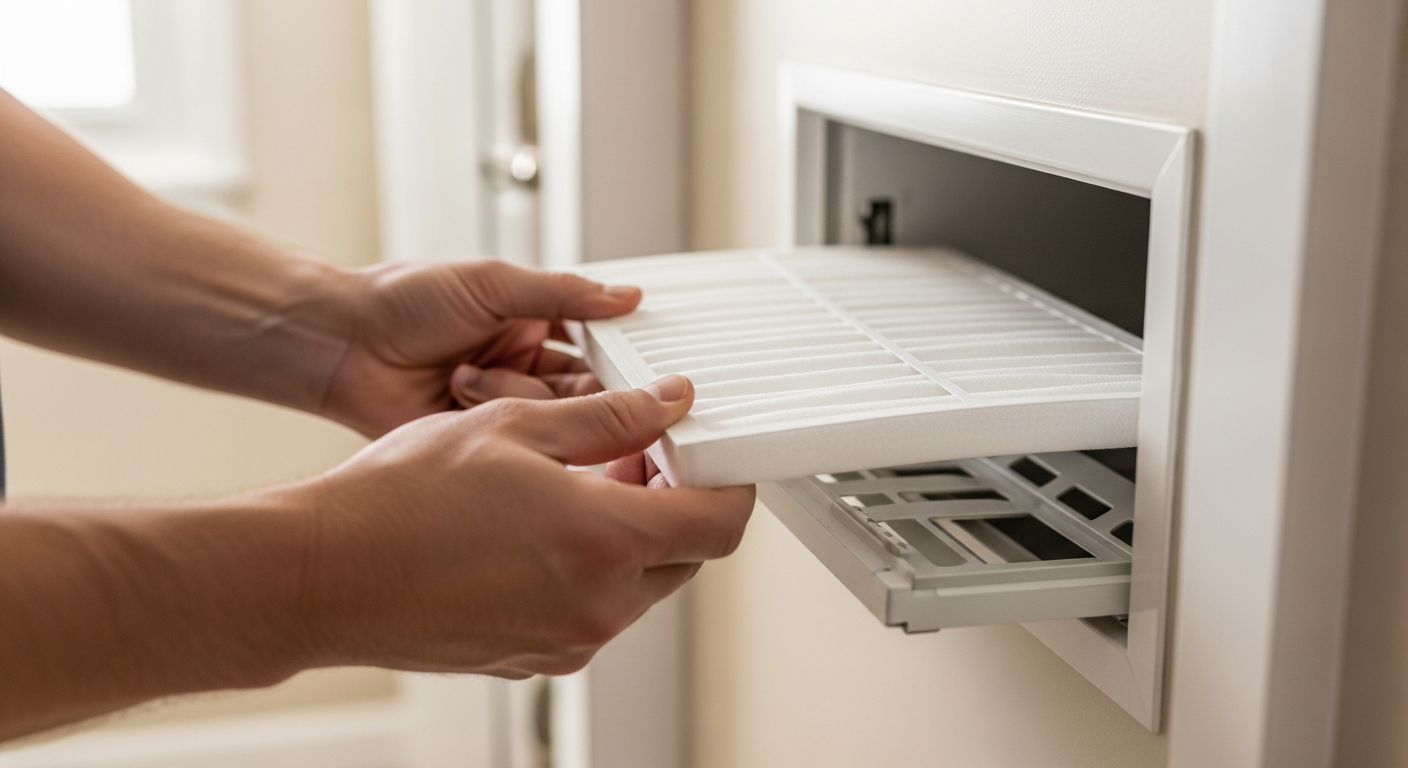
Heat pumps are a smart investment for older homes when properly planned
Budget for likely electrical panel and ductwork upgrades, and prioritize insulation improvements to maximize efficiency and long-term savings.
What Matters Most
- Total installation cost in an older home typically ranges $5,000–$25,000+ depending on required upgrades.
- Ductless mini-splits offer a less invasive, zone-by-zone alternative if ductwork is absent or inadequate.
- A 200A electrical panel is usually necessary; plan for a $1,500–$4,000 upgrade if yours is smaller.
- Always obtain at least three quotes and use a contractor checklist to vet experience with older homes.
- Cold-climate models or dual-fuel systems are essential in regions with harsh winters.
Strengths
- Year-round heating and cooling from a single system, reducing complexity.
- Significant energy savings, especially when replacing oil or electric resistance heat.
- Zoning capability with ductless mini-splits, allowing room-by-room temperature control.
- Improved indoor air quality when paired with proper filtration and dehumidification.
Weaknesses
- Higher upfront cost in older homes due to electrical and ductwork retrofits.
- Performance may drop in extreme cold without a cold-climate specific unit or backup system.
- Outdoor unit can be visually intrusive; historic districts may restrict placement.
- Requires careful load calculations to avoid oversizing or undersizing, which harms efficiency and comfort.
Decision Summary: Which Heat Pump Path Fits Your Home?
| Scenario | Usually Do | Why |
|---|---|---|
| Existing ductwork in good shape, panel ≥150A, budget $12k+ | Central ducted heat pump | Leverages existing infrastructure for whole-home comfort; often most cost-effective per square foot. |
| No ductwork, budget under $8k, 1–2 rooms | Ductless mini-split (single zone) | Avoids costly duct installation; minimally invasive; perfect for additions or hot/cold spots. |
| Cold winters (below 5°F), existing gas furnace | Dual-fuel system (heat pump + furnace) | Efficient heat pump operation in mild weather with reliable gas backup during deep cold. |
| Older home with large rooms and high ceilings | Manual J sized central unit with zoning dampers or multiple air handlers | Prevents short cycling; ensures even temperature distribution; linked article: <a href="/us/articles/how-to-fix-a-furnace-that-short-cycles">fix furnace short cycling</a>. |
| Tight budget, must replace dying AC now | Heat pump (central or ductless) only if panel is adequate; defer panel/insulation upgrades if safe | Immediate efficiency gain; can add panel upgrade later; consult an electrician for safety. |
Introduction
Upgrading an older home to a heat pump can slash energy bills and provide year-round comfort, but it’s rarely a simple swap. Costs run from $5,000 to $20,000+ due to common roadblocks like undersized ducts, outdated electrical panels, and insulation gaps. This guide gives you real-world prices, a decision tree to evaluate your home’s readiness, and a contractor checklist to hire the right pro. We’ll also highlight what you can safely inspect yourself and what must be left to licensed technicians.
Quick Answer: How Much Does a Heat Pump Cost in an Older Home?
For a straightforward replacement of an existing forced-air system with adequate ductwork, expect $5,000–$15,000. Retrofitting from a boiler or radiator setup, or if your home needs electrical panel upgrades and duct modifications, typically pushes the total to $18,000–$25,000+. Ductless mini-split systems start at $3,000–$8,000 per zone. Get a personalized estimate with our HVAC Cost Estimator.
Cost Breakdown Table
| Component | Typical Cost Range | Notes for Older Homes |
|---|---|---|
| Heat Pump Unit (equipment) | $2,500–$8,000 | Higher SEER2/HSPF2 units cost more upfront but save long-term. |
| Labor & Installation | $2,000–$7,000 | Complexity from plaster walls, crawlspaces, or finished basements adds hours. |
| Electrical Panel Upgrade (if needed) | $1,500–$4,000 | Most homes with 100A or less need 200A service. |
| Ductwork Modifications or New Ducts | $2,000–$10,000+ | Undersized or leaky ducts often require sealing, enlarging, or replacing. |
| Permits & Inspections | $200–$800 | Varies by municipality; always confirm with your contractor. |
| Thermostat Upgrade | $100–$300 | Smart thermostat recommended for variable-speed heat pumps. |
Editorial note: These are estimate ranges based on typical projects. Final prices vary by region, system size, and brand. Validate contractor bids with our Quote Checker.
Why Older Homes Drive Up Costs
Homes built before 1990 often weren't designed for today's HVAC demands. Three main cost drivers:
- Electrical capacity: A heat pump needs a dedicated 240V circuit. Panels rated 60A or 100A are common in older homes and usually require a 200A upgrade.
- Ductwork inadequacy: Old ducts may be too narrow for the high airflow heat pumps require. Leaky, uninsulated ducts also waste energy.
- Insulation and air sealing: Heat pumps operate most efficiently in a well-sealed envelope. Addressing drafts and boosting attic insulation often pay for themselves quickly.
Heat Pump Options for Older Homes
Central Ducted Heat Pumps
Best if you have usable ductwork. Even then, ducts often need sealing and insulation. If your existing furnace is gas, a dual-fuel setup can ease the electrical load.
Ductless Mini-Splits
Ideal for homes without ducts. No invasive ductwork installation; each indoor unit serves a single zone. Costs run $3,000–$8,000 per installed zone. They offer room-by-room control but may require multiple wall-mounted units.
Dual-Fuel Systems
Pair a heat pump with an existing gas furnace. The heat pump handles mild weather, automatically switching to the furnace during extreme cold. This reduces strain on your electrical panel and can lower operating costs. Learn about short-cycling issues that can affect furnace efficiency.
Efficiency Ratings and Potential Savings
Look for SEER2 (cooling) and HSPF2 (heating) ratings. In leaky older homes, high-efficiency units (20+ SEER2) often justify their higher price through lower bills. Converting from oil or electric baseboards can cut heating expenses by 30–60%. Use our Heat Pump Savings Calculator to project your numbers.
Hidden Costs and Preparatory Work
Before installation, your home might need:
- Asbestos or lead paint remediation if disturbing older building materials.
- Structural reinforcement for the outdoor unit pad, especially on soft or sloped ground.
- Condensate drainage solutions for high-efficiency models that produce more water.
Schedule a home energy audit to prioritize upgrades. Many utilities offer rebates for insulation and air sealing—find yours with our Rebate Finder.
Safety Boundaries: What Homeowners Can (and Cannot) Do
Safe homeowner checks:
- Regularly replace or clean air filters.
- Confirm thermostat settings and replace batteries.
- Keep the outdoor unit free of debris, leaves, and snow.
- Ensure circuit breakers are on; reset a tripped breaker only once.
- Monitor for unusual noises or frost buildup; shut down and call a pro if you see ice.
Professional-only tasks (do not attempt):
- Handling refrigerant (federal EPA certification required).
- Electrical panel upgrades, new circuit installation, or any exposed wiring.
- Modifying or adding ductwork in contact with combustible materials.
- Gas line work, combustion safety checks, or venting repairs.
- Replacing compressors, capacitors, contactors, or control boards.
- Bypassing safety interlocks or pressure switches.
Always hire a licensed, insured HVAC contractor for these jobs. Verify credentials and ask for proof of insurance before work begins.
Decision Tree: Is a Heat Pump Right for Your Older Home?
Answer these questions to clarify your next steps:
1. Do you have existing ductwork in good condition?
- Yes, mostly fine → Central ducted heat pump is likely feasible. Start with a BTU calculator for sizing.
- No or poor condition → Ductless mini-splits or installing new ducts (more disruptive, $8k–$15k+).
2. What is your electrical panel amperage?
- 200A → Usually sufficient.
- 150A → May work with careful load management; get a load calculation.
- 100A or less → Plan for a panel upgrade ($1,500–$4,000).
3. Is your attic insulation at least R-38?
- Yes → Good thermal envelope; heat pump will perform efficiently.
- No → Insulation upgrades first can reduce the required heat pump size and lower ongoing costs.
4. Do you live in a region that frequently drops below 5°F?
- Yes → Choose a cold-climate heat pump (rated to -13°F or below) or a dual-fuel system with gas backup. See Chicago heating pros.
- No → A standard air-source heat pump will work year-round.
5. Is your total budget under $10,000?
- Yes → Focus on one or two ductless zones for essential rooms, or tackle panel/insulation upgrades first.
- No → Full central system or multi-zone ductless is within reach.
Contractor Checklist: Questions to Ask Before You Hire
Print or save this list when gathering quotes:
- Are you licensed and insured for HVAC work in this state? (Ask for license number)
- How many heat pump retrofits in older homes have you completed? Can you share references?
- Will you perform a Manual J load calculation? (Essential for accurate sizing)
- What SEER2/HSPF2 ratings do you recommend and why?
- Does the quote include all permits, inspections, and any subcontractor work?
- What warranties do you offer—on equipment and labor? For how long?
- How will you handle potential asbestos, lead paint, or other old-house surprises?
- Can you provide a detailed written estimate with a line-item breakdown?
- What is the installation timeline, and how will you protect my home during work?
- Do you assist with rebate paperwork or financing options?
Always get at least three detailed quotes. Compare them side-by-side with our Contractor Comparison tool. Then schedule a consultation with a vetted local contractor.
Local Context: Climate and Regional Factors
Your location heavily influences the right system choice:
- Cold climates (e.g., Minneapolis, Boston): Prioritize cold-climate heat pumps or dual-fuel. Insulate and air seal aggressively. Find heating experts near you.
- Hot/humid climates (e.g., Atlanta, Houston): Select units with enhanced dehumidification modes. Consider a whole-house dehumidifier add-on. Compare AC-only costs.
- Coastal/salt-air areas (e.g., Miami, Cape Cod): Corrosion-resistant outdoor coils are a must. Ask about coated micro-channel coils.
- Historic districts: Exterior condenser placement may be restricted. Check with your local preservation board early.
Methodology: How We Generate Cost Estimates
Our cost ranges are editorial estimates derived from contractor surveys, industry price databases, and typical project scopes for older homes. They reflect national averages adjusted for common retrofitting complexity. These are not guaranteed prices—actual costs depend on your home’s specifics, local labor rates, and chosen equipment. Always obtain multiple on-site written quotes. Recommendations assume professional installation by licensed technicians following current codes and manufacturer instructions.
Frequently Asked Questions
Can I install a heat pump in a 100-year-old house?
Absolutely. Many century homes have been successfully retrofitted. Be prepared for electrical panel upgrades, potential ductwork installation, and thorough air sealing. Ductless mini-splits are often the simplest path if the house lacks ducts.
How much can I really save on energy bills?
Switching from oil or electric resistance heat typically cuts heating costs 30–60%. Savings depend on local fuel rates and your home’s insulation level. Run the numbers with our Heat Pump Savings Calculator.
Do I absolutely need a 200-amp panel?
Not universally, but most older homes with 100A or less will need an upgrade to safely power a heat pump alongside other modern appliances. An electrician can perform a load calculation to confirm.
What’s the typical payback period?
Payback ranges from 5 to 12 years, influenced by equipment efficiency, energy prices, and the cost of any prerequisite upgrades. Federal tax credits and local rebates can shorten this significantly.
Can I keep my gas furnace as a backup?
Yes, a dual-fuel system pairs a heat pump with a furnace. The system automatically switches to gas when outdoor temperatures drop below a set point. It’s a smart hedge in very cold climates.
Related articles
Connect this page to adjacent guides so readers keep moving deeper into the topic cluster.

Cost to Install Multiple Smart Thermostats
Get a clear cost breakdown for installing 2–4+ smart thermostats. Includes equipment, labor, zoning upgrades, and how to save with utility rebates. Practical checks and contractor questions inside.
Duct Booster Fan Installation Cost
Uneven room temps? Duct booster fan installation costs: register fans $30–$100 DIY, inline fans $500–$800+ with pro. Learn when a booster works and when you need a bigger fix.
Makeup Air Unit Installation Cost Guide
Expect to pay $1,500–$4,500 for a pro-installed makeup air unit. Discover passive vs. tempered options, code triggers, and money-saving decision rules.