Pre-Season HVAC Checklist for Landlords
Ensure your rental property stays comfortable year-round with our comprehensive pre-season HVAC guide designed specifically for proactive landlords.
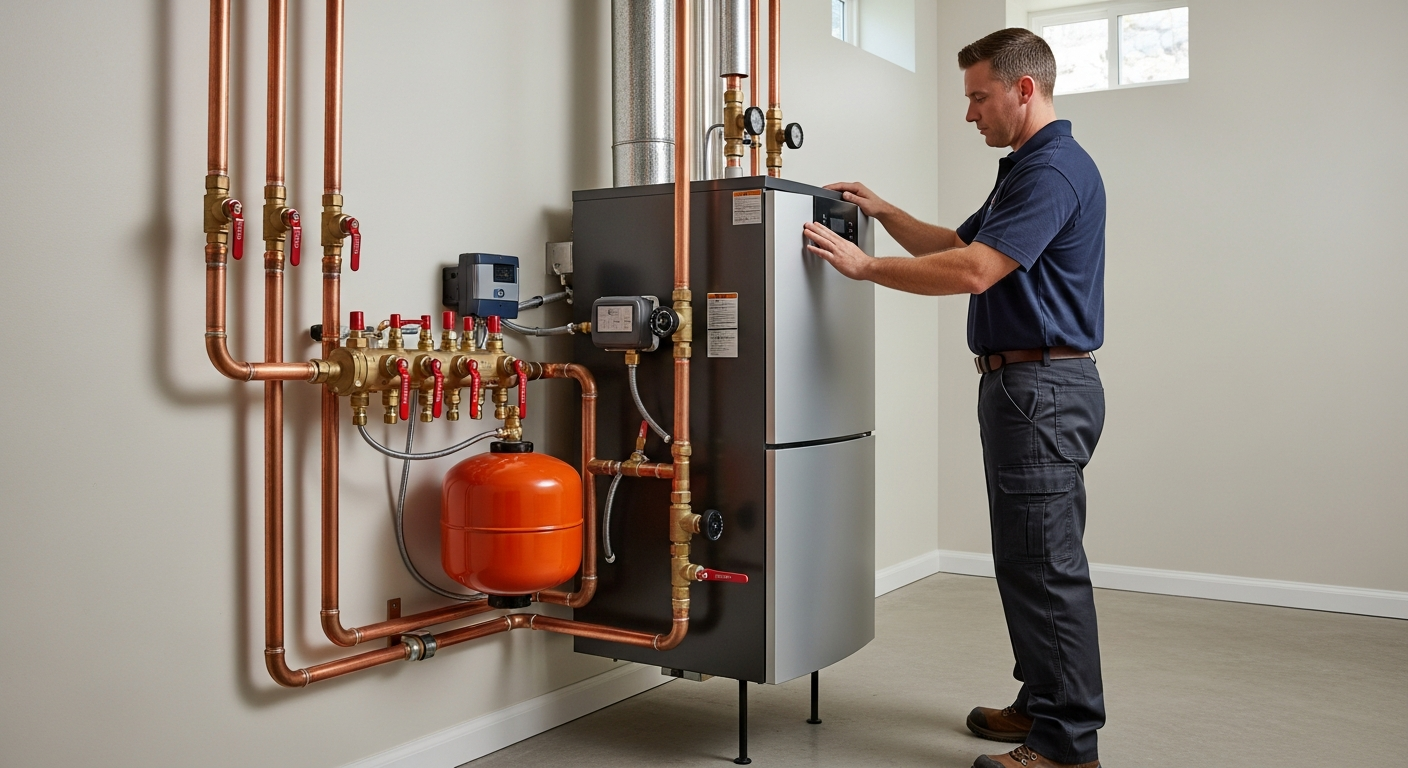
The Importance of Seasonal HVAC Readiness for Landlords
Managing a rental property comes with a long list of responsibilities, but few are as critical as maintaining the heating and cooling system. A sudden HVAC failure during a heatwave or a freeze can lead to expensive emergency repair bills and frustrated tenants.
By following a pre-season checklist, you can catch minor issues before they escalate into system-wide failures. This proactive approach not only extends the life of your equipment but also helps you manage the cost to prepare your HVAC for extreme weather more effectively.
The Essential Pre-Season Checklist
1. Schedule a Professional Inspection
The first step in any maintenance routine should be a professional tune-up. While there are many tasks you can handle yourself, a licensed technician has the tools to check refrigerant levels, electrical connections, and heat exchanger integrity.
You can easily find vetted professionals in your area using the directory at HVACDatabase.com. These experts ensure your system is running at peak efficiency, which can lower utility bills for your tenants.
2. Replace Air Filters Every Quarter
Clogged filters are the leading cause of HVAC strain and failure. Make it a policy to replace filters at the start of every season, or provide your tenants with a stockpile of filters and instructions on how to swap them out.
If your property is located near the coast, you may need to take extra precautions. Consider reviewing these tips for HVAC maintenance in sandy environments to prevent salt and grit from damaging your system.
3. Clean the Outdoor Condenser Unit
During the winter or fall, debris like leaves, twigs, and dirt can accumulate around the outdoor unit. This restriction in airflow forces the compressor to work harder, leading to higher energy consumption and premature wear.
Learning how to clean your outdoor AC unit after winter is a simple way to boost performance. Clear at least two feet of space around the unit to ensure proper ventilation.
4. Check the Thermostat and Settings
Test the thermostat to ensure it accurately triggers the system. If you haven't already, consider upgrading to a smart or programmable thermostat to help your tenants manage energy usage more effectively.
If you receive complaints that a specific unit is unevenly heated or cooled, you should look into tips for maximizing HVAC comfort in every room to address airflow issues or ductwork leaks.
Landlord-Specific Maintenance Considerations
Addressing Tenant Complaints Early
Encourage your tenants to report small issues immediately. A common complaint such as "why is one room in my house always cold" could be a sign of a blocked vent, a failing damper, or poor insulation that needs your attention.
Early intervention prevents the tenant from using space heaters, which can be a fire hazard and significantly increase electricity costs.
Heat Pump Maintenance for Cold Climates
If your rental property relies on a heat pump, it requires specific care before the temperature drops. Unlike traditional furnaces, heat pumps must manage defrost cycles and supplemental heat strips.
Check out these heat pump tips for cold climates to ensure your system doesn't struggle when the frost hits. Proper calibration is key to preventing high emergency heat bills.
DIY vs. Professional Service
Many landlords wonder where the line is between a quick fix and a job for a pro. While cleaning a drain line or changing a filter is manageable for most, internal electrical work or gas line inspections must be handled by a contractor.
Reviewing the pros and cons of DIY vs. professional seasonal HVAC maintenance can help you decide where to spend your time and budget. For those high-stakes tasks, the HVACDatabase.com directory is your best resource for finding trusted local pros.
Final Walkthrough and Documentation
Always document your maintenance activities. Keep a log of filter changes, professional service dates, and any parts replaced. This documentation is invaluable for warranty claims and can even increase your property value during a sale.
Before the season peaks, do a final walkthrough. Check that vents are not blocked by tenant furniture and that the condensate drain line is flowing freely. A little bit of effort now saves a lot of stress later.
Related articles
Connect this page to adjacent guides so readers keep moving deeper into the topic cluster.
How Landscaping Affects Your HVAC Costs
Discover how strategic planting and shade can lower your cooling costs and improve the efficiency of your HVAC system while protecting your outdoor unit.

Tips for HVAC Efficiency in Passive Solar Homes
Maximize the benefits of your passive solar design with specialized HVAC strategies that balance natural heat gain with mechanical climate control.
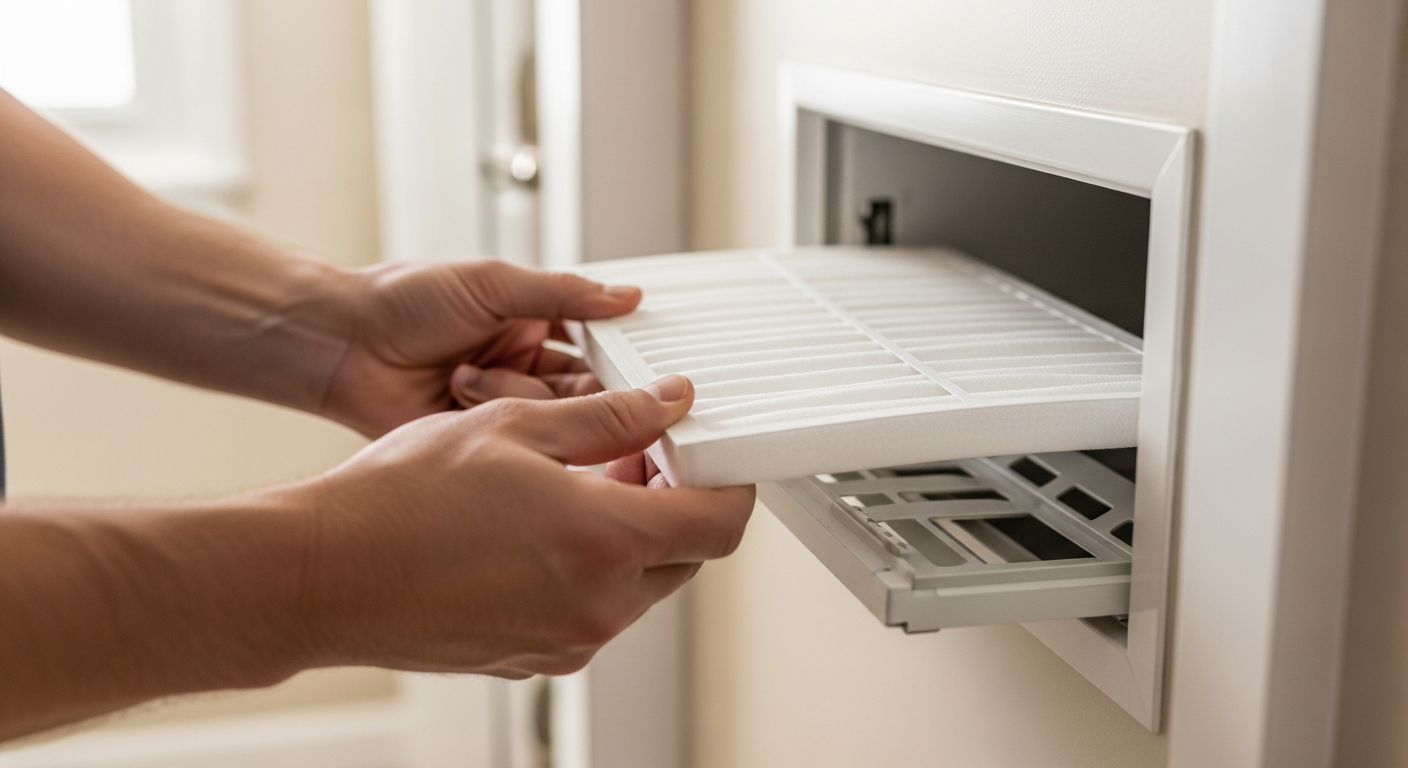
Tips for Restarting Your HVAC After an Extended Shutdown
Restarting your HVAC after a long break requires more than just flipping a switch. Follow these essential steps to ensure your system runs safely and efficiently.